Meaning
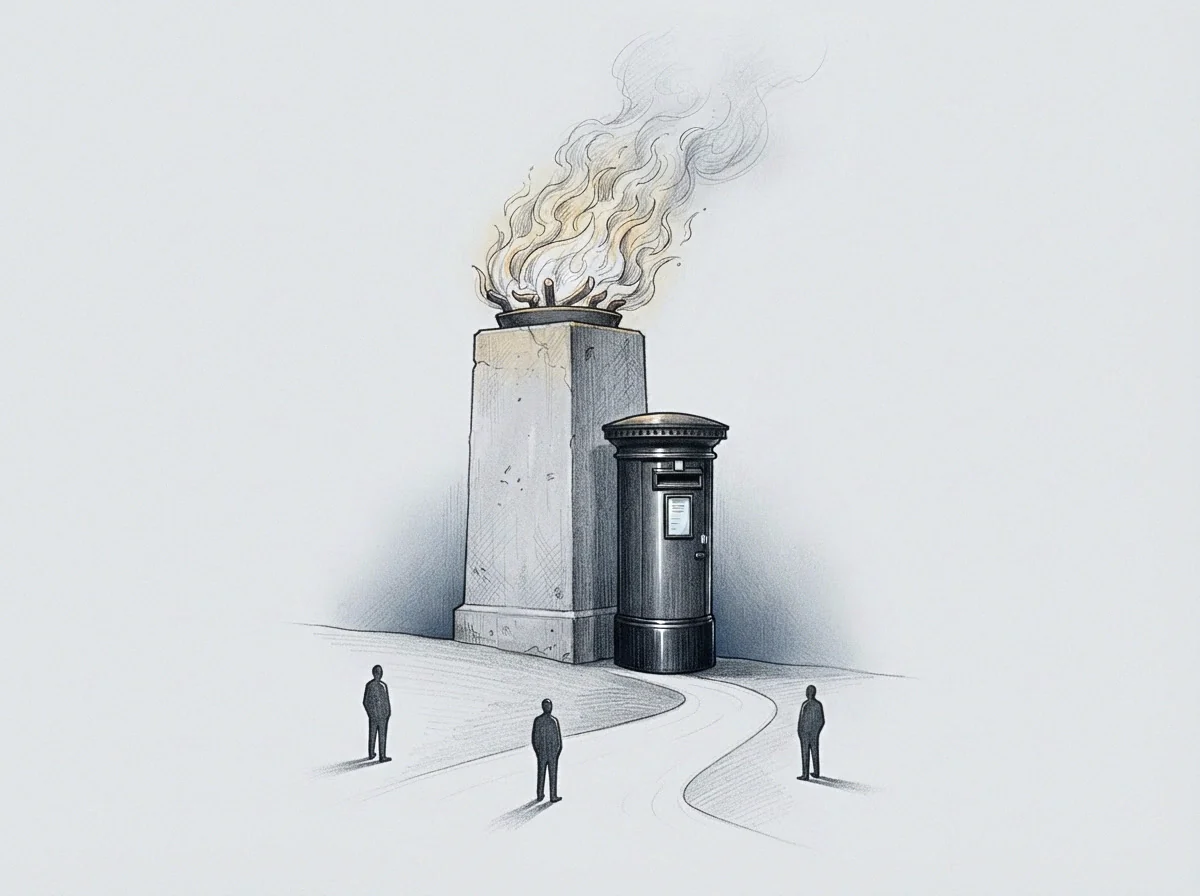
Structural boundary dissolution is the operational condition where a former founder maintains direct authority over daily execution inside an enterprise long after formal succession occurs. Executive authority bleeds across the line separating governance from operation because operational teams continue seeking decisions from the prior leader rather than the current manager. This overlap demands constant attention hours from the individual who attempted to leave the operating seat.
Operational Drift
Authority decay accelerates when the successor lacks the power to block direct reports from escalating problems to the founder. Operational drift sets in because two parallel decision channels operate simultaneously without a routing protocol. Employees learn which decisions require escalation to the founder and which remain with the manager, splitting loyalty according to historical access rather than organizational chart design.
Cognitive Cost
Constant task switching consumes the personal energy capacity required for governance duties and strategic oversight. The individual absorbs daily operational friction without holding the formal title or the current compensation of an operator. Mental bandwidth diminishes because the founder evaluates routine tactical choices while trying to maintain board objectivity.
Succession Failure
Residual operational involvement prevents the enterprise from establishing independent routines that survive without founder intervention. Future leadership development stalls because potential successors operate under permanent supervision rather than exercising autonomous authority. Complete organizational separation requires formal cessation of direct communication channels between the founder and operating teams.