Meaning
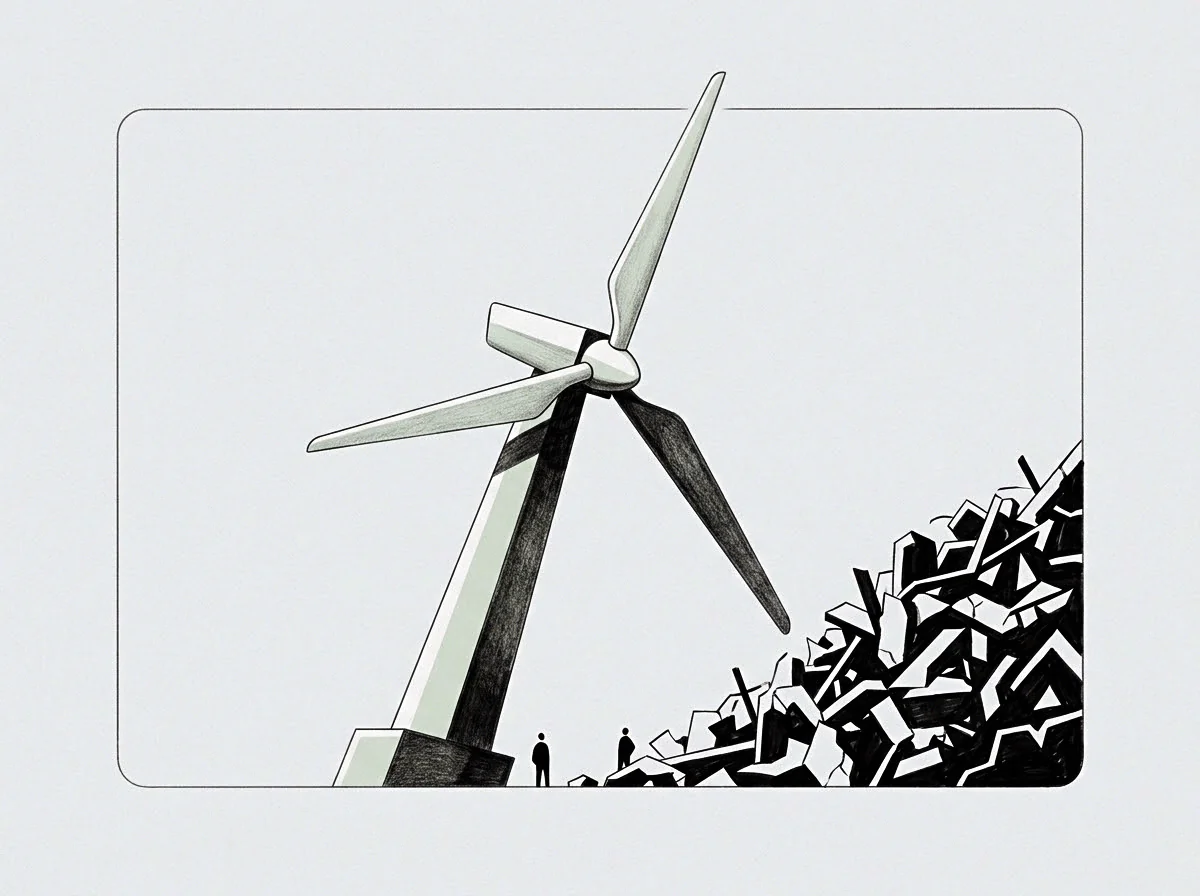
Erosion of implicit historical knowledge weakens organizational decision quality after a founder vacates active operational roles. Context decay describes the gradual loss of unwritten rationale and structural precedent that occurs as time separates current teams from the founding era. The loss alters how successors interpret past strategic choices and evaluate recurring vendor or equity commitments.
This decay accelerates whenever key documentation remains incomplete during personnel transitions. The process stops applying where operational procedures are fully automated or bound by strict statutory frameworks that mandate explicit recordkeeping.
Information Erosion
Information disappears from institutional memory through the departure of original architects who held non-codified operational history. When context decay sets in, remaining executives make decisions based on surface-level outcomes rather than underlying design logic. Unwritten agreements between founders and external partners become vulnerable to misinterpretation.
Unrecorded history leaves new leaders unable to distinguish between intentional constraints and accidental habits.
Operational Impact
Operational efficiency drops as teams repeatedly re-evaluate settled questions. Without original context, new managers alter working frameworks under the assumption that past choices were arbitrary. Repeated changes to core systems waste financial resources and exhaust team attention.
Misaligned strategic adjustments frequently follow when historical baseline assumptions vanish from executive discussion.
Mitigation Overhead
Mitigation demands systematic recording of strategic intent before leadership handovers finalize. Retaining founder clarity requires dedicated hours for interviewing outgoing executives and compiling structured reference archives. Successor organizations must balance the time spent reviewing historical logic against the need for swift forward execution.
Capturing tacit knowledge consumes substantial founder attention during exit phases but prevents expensive operational errors later.