Meaning
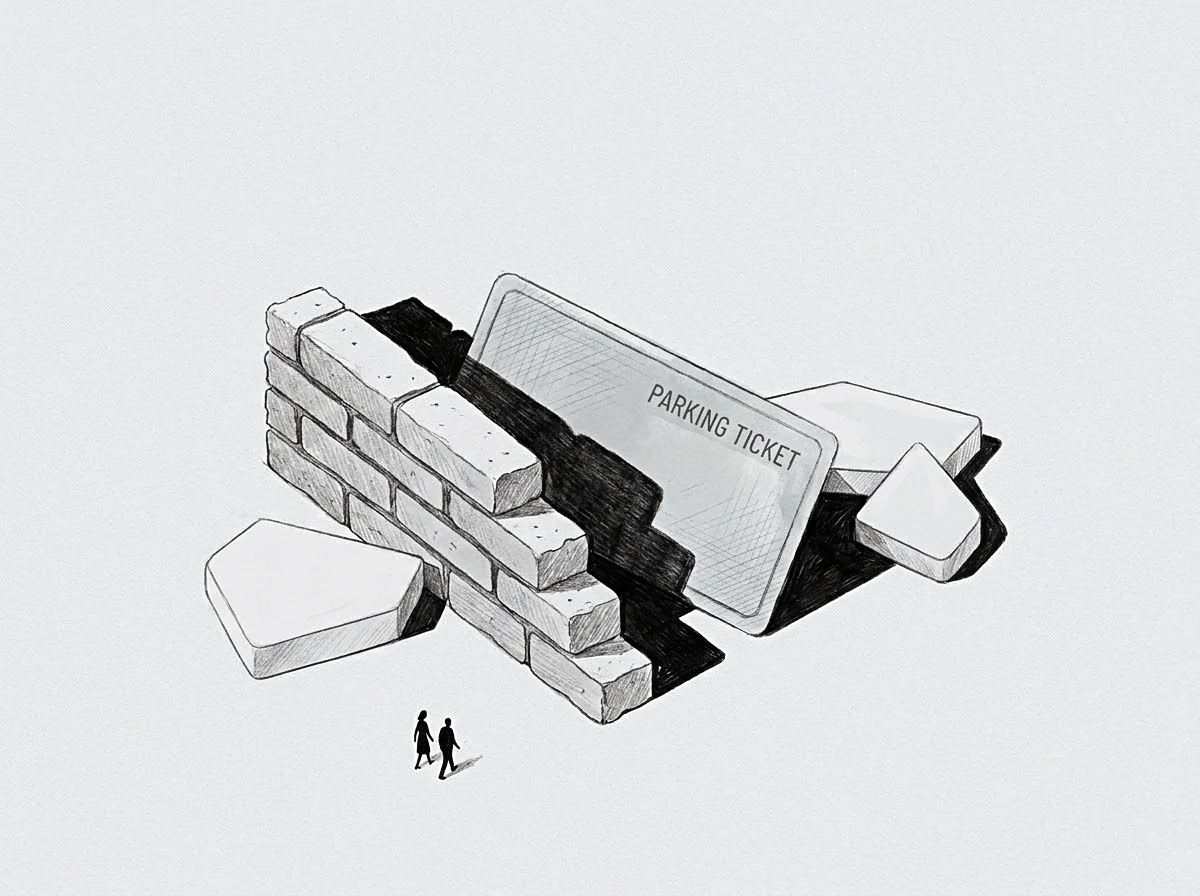
Interim operating covenants in acquisition agreements bind a business seller to run corporate operations strictly within ordinary commercial parameters between transaction signing and completion. In middle-market deals, continuity covenants prevent unilateral structural modifications, abnormal capital outlays, employee compensation increases, or material customer contract terminations without the buyer’s explicit consent. These commitments safeguard enterprise valuation during the interim waiting period created by regulatory filings or third-party consents.
Contractual force terminates upon the formal closing of the transaction when operating control transfers entirely to the buyer.
Operating Constraint
Day-to-day administrative authority remains tethered to historical conduct benchmarks while the sale is pending. Company executives must preserve supplier relationships and retain core personnel using historical compensation policies. Proposed commercial initiatives exceeding predetermined monetary limits require formal written notices and buyer approvals before execution.
Managerial Toll
Founders occupying operational seats during the signing-to-closing window experience severe attention strain as they navigate split loyalties between company health and transaction closing obligations. Running the business under restrictive continuity covenants drains executive energy, forcing the founder to secure written buyer consent for routine adjustments like hiring replacement staff or replacing damaged production machinery. When competitive developments require rapid tactical shifts, obtaining external transaction approval introduces paralyzing procedural delay.
The seller bears operational blame if revenue softens yet cannot deploy aggressive promotional pricing without violating contractual pledges. Prolonged procedural friction demands continuous hours of liaison with legal teams, depleting the founder’s mental capacity precisely when company morale requires steady personal leadership.
Enforcement Limit
Regulatory authorities enforce strict prohibitions against gun-jumping that restrict how deeply a prospective buyer can direct interim operations. When continuity covenants cross from reasonable value preservation into premature management control, antitrust agencies can levy statutory financial penalties against both transacting parties.