Meaning
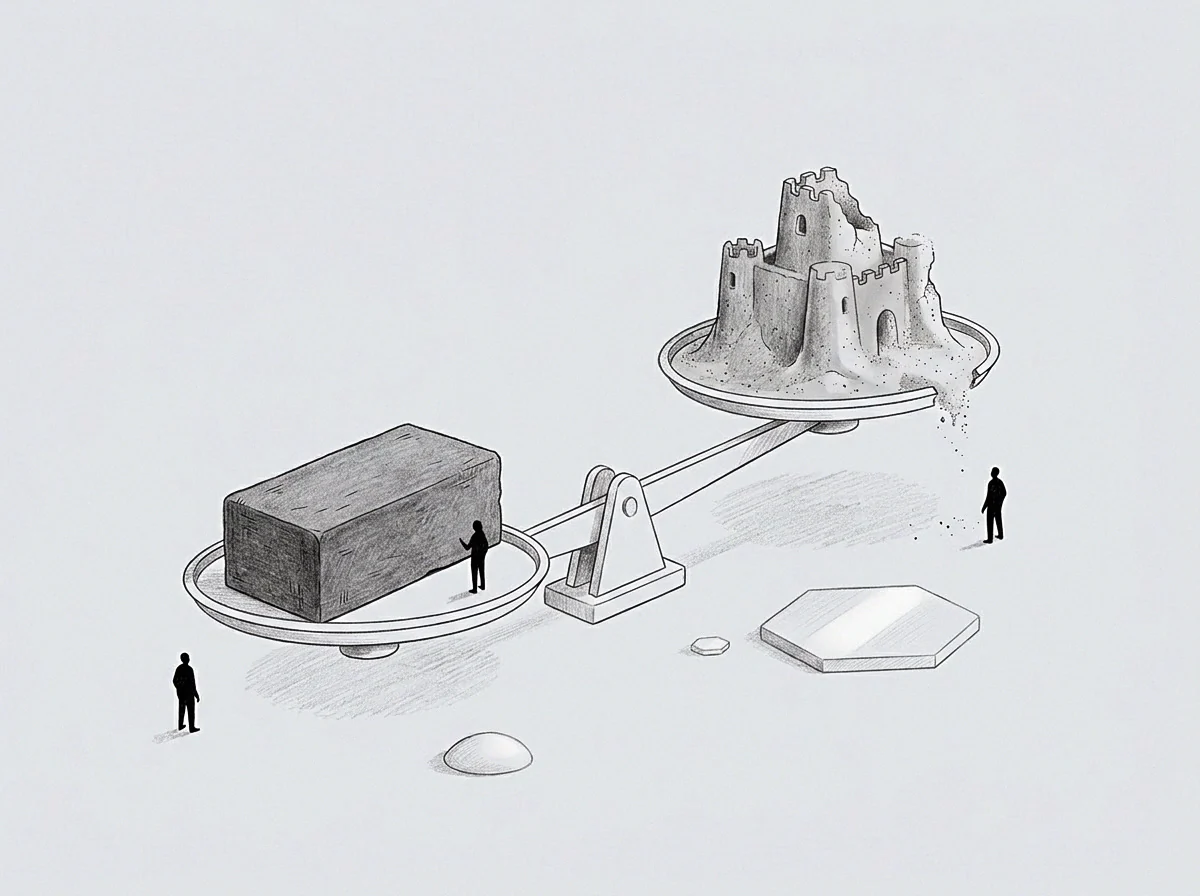
Numerical adjustments represent the expected reduction in operational efficiency or network value over time as the original conditions of a system change. A decay multiplier accounts for the erosion of personal goodwill once a founder moves from an operational role to a board seat. It measures the rate at which historical performance ceases to predict future results.
This calculation stops being relevant when the organization reaches a steady state under new management where growth is driven by institutionalized processes.
Performance Loss
The cost of a transition is often found in the speed at which internal momentum dissipates. A high coefficient increases the cost of capital as investors discount the impact of the departing leader on team cohesion.
Operator Shift
Transitioning a seat requires a calculation of how much momentum remains in the product without the founder’s direct daily intervention. If the decay multiplier is aggressive, the incoming manager must generate new value immediately to offset the predicted decline. The work creates a high energy cost for the new hire who must rebuild internal culture from scratch.
Successors often struggle to maintain the same velocity when the original vision is no longer being reinforced by the person who created it.
Value Erosion
The final valuation of a secondary sale often rests on this single variable.