Meaning
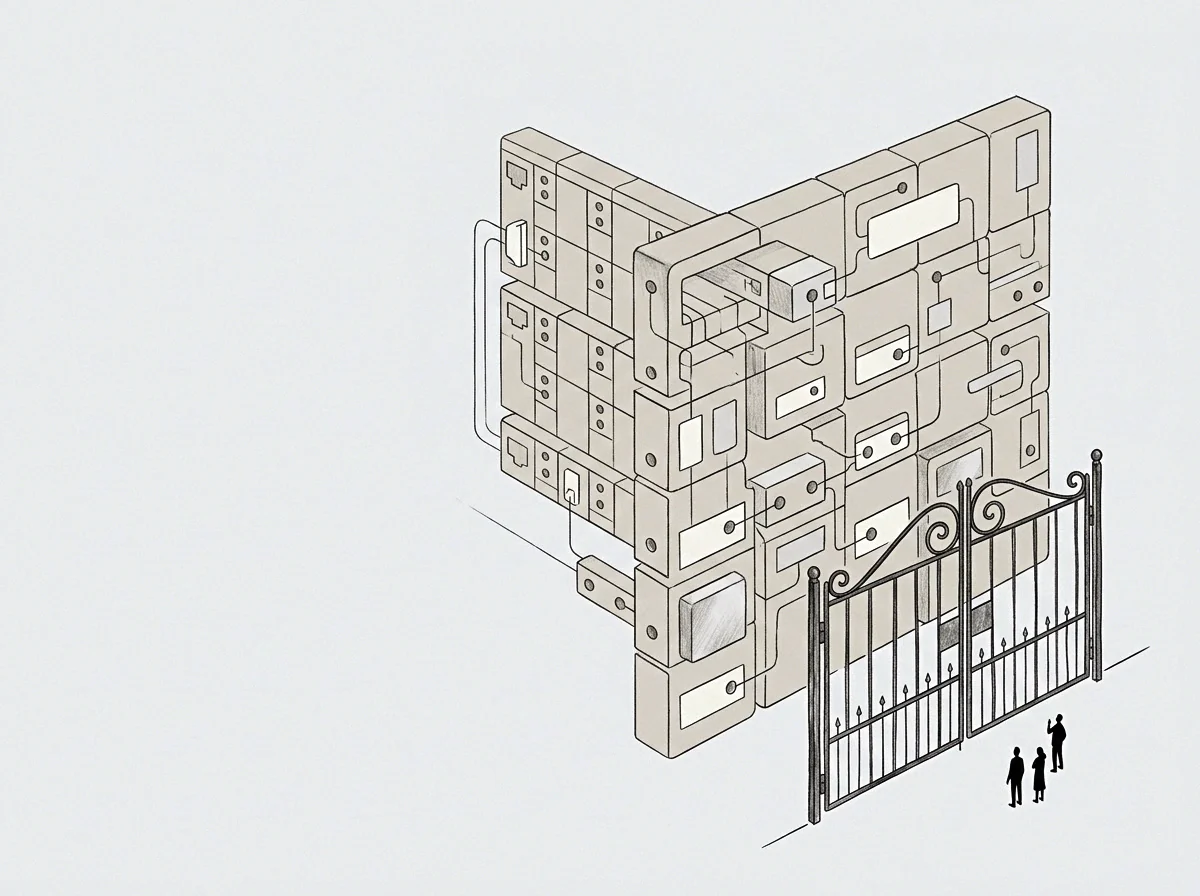
A psychological state of impaired judgment occurs when an individual faces a cumulative volume of choices over a sustained period without adequate recovery. In post-founding governance, decision fatigue reduces an owner operator’s capacity to evaluate strategic trade offs, shifting choices toward default options or passive delay. This state boundary ends where routine operational choices are delegated or automated, restoring cognitive bandwidth.
Cognitive Erosion
Executives who retain final authority over trivial purchasing and hiring matters consume working memory that belongs to long-term asset allocation. As decision fatigue worsens throughout a working week, the probability of defaulting to status quo preservation increases while rigorous risk analysis drops. The cost appears as delayed contract executions and deferred structural fixes.
Shifted from active trade off evaluation to immediate stress reduction, the leader selects options that minimize short-term friction rather than those that maximize firm value. Cognitive capacity recovers only when clear delegation boundaries remove low-value choices from the executive desk.
Governance Degradation
Board oversight suffers when founder directors exhaust their analytical energy on daily operations before attending quarterly strategic reviews. Under acute decision fatigue, board members accept management proposals without probing core assumptions or stress testing downside scenarios. This dynamic shifts governance from active scrutiny to rubber stamping.
Delegation Remedy
Systematic delegation protocols transfer repeatable operational authority to middle managers through predefined expenditure limits and standard policies. By removing hundreds of small weekly micro-decisions, decision fatigue diminishes and executive attention returns to capital allocation and succession architecture. The physical cost in hours remains high, yet mental capacity recovers once operational choices shift to structured frameworks.