Meaning
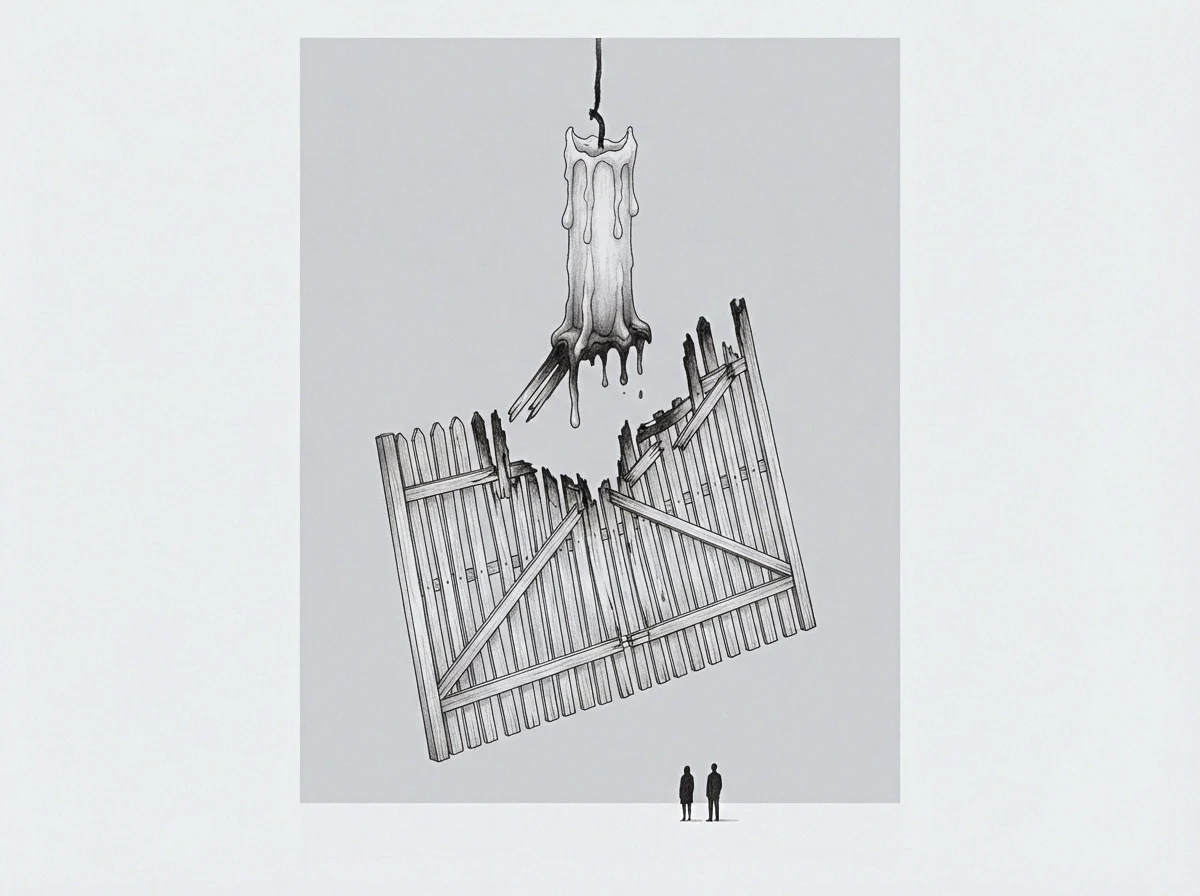
A temporal range that bounds the forward projections and structural consequences considered when choosing an organizational path. The decision horizon dictates how far into the future an executive projects capital commitments, operational trade offs, and competitive positioning before immediate noise invalidates those assumptions. When a founder transitions from chief executive to board chair, this span shifts from monthly metrics to multi-year capital allocation strategies.
Beyond this boundary, forecasting turns into speculation, marking the functional edge of governance authority.
Temporal Compression
Operating pressures frequently shrink the timeframe across which leadership evaluates company choices. Under cash constraints or technical crises, a founder operating in management experiences a reduced decision horizon that sacrifices long-term defensibility for immediate survival. This condition drains mental capacity as long-range initiatives are repeatedly suspended to address urgent operational failures, creating continuous friction between ownership goals and daily management needs.
Governance Boundary
Corporate oversight requires explicit temporal separation between supervisory seats and operational management. Board members evaluate capital deployment across multi-year spans, whereas operational directors focus on quarterly targets. A fragmented decision horizon weakens governance when board members react to weekly metrics instead of holding long-term strategy.
Capacity Tax
Holding multiple seats forces an individual to switch between immediate tactical metrics and multi-year vision. Managing a split decision horizon burns personal energy rapidly and splits executive focus. Switch costs accumulate until operational handovers establish distinct responsibilities across roles.