Meaning
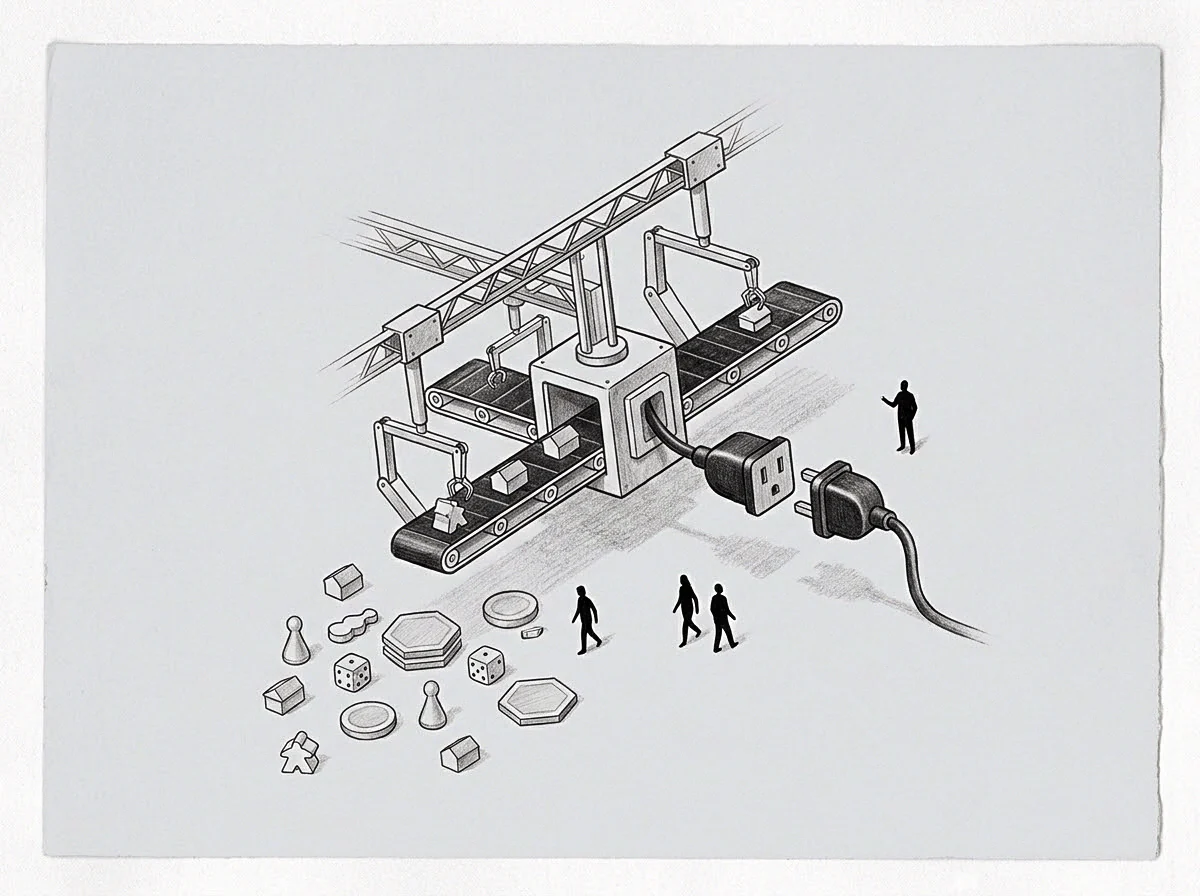
Structural corporate assets exist independently of the individual operational skill of company founders. Corporate evaluators measure enterprise capital to determine the standalone value and operational continuity of an organisation stripped of founder participation. The scope of these assets includes proprietary software, brand equity, documented procedures and client relationships, but excludes personal founder relationships.
Value Transfer
Institutional capability develops when tacit knowledge translates into repeatable organisational processes and governance structures. To build sustainable valuation, founders transfer operational reliance away from personal execution toward enterprise capital in the form of codified workflows, client contracts and professional management teams. This transition ensures business operations continue seamlessly during executive departure or sudden leadership absence.
Transferring capacity into institutional systems increases market valuation and investment viability.
Institutional Separation
Corporate governance frameworks establish distinct boundaries between personal founder reputation and underlying company value. Building genuine enterprise capital requires delegating client relationships to professional account management teams and centralizing operational IP in corporate repositories. When enterprise value relies heavily on personal founder involvement, investors demand key-person discounts during equity evaluations.
Institutionalizing customer trust and product development eliminates single-point dependencies across the organization.
Asset Retention
Maintaining institutional value requires continuous investment in organizational documentation and compliance systems. If enterprise capital is neglected, operational execution degrades into undocumented individual workarounds when key staff leave. The maintenance of institutional assets requires persistent governance attention and clear operational documentation.