Meaning
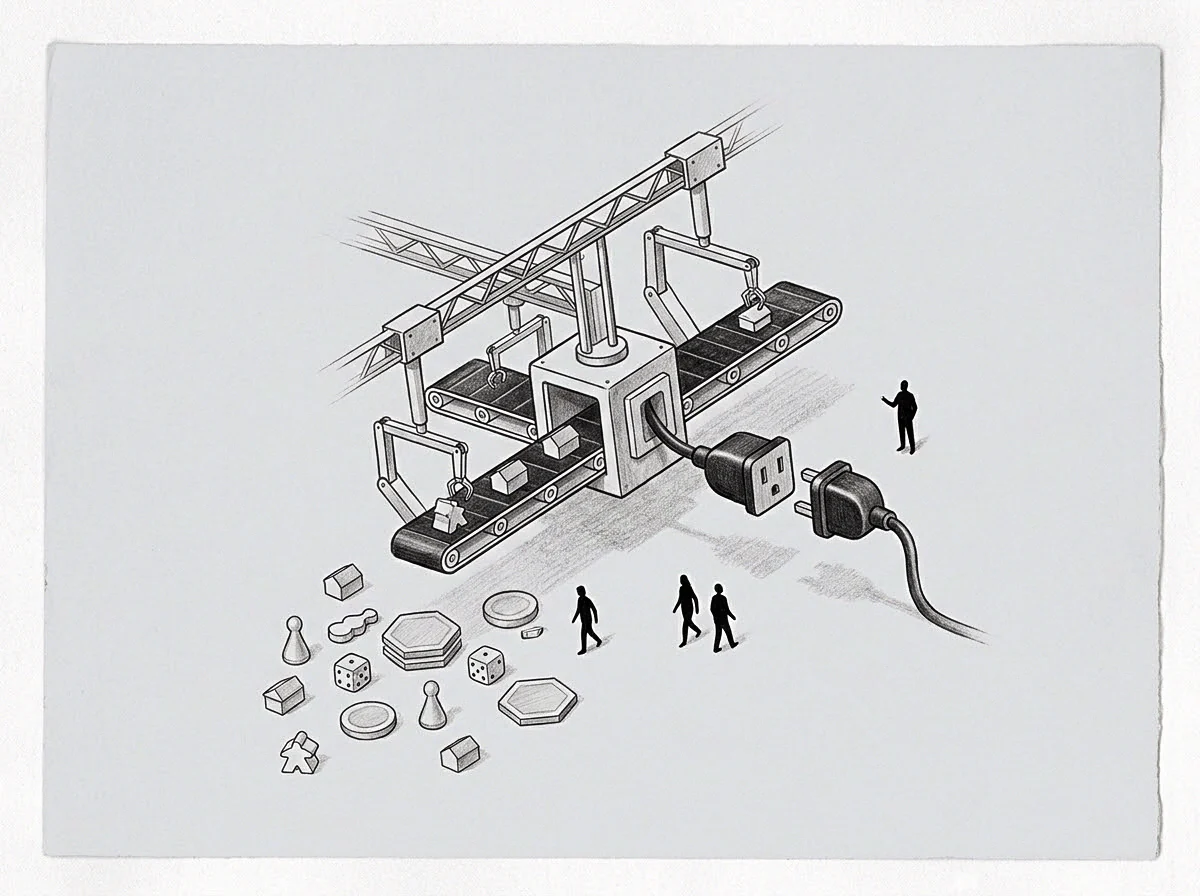
Calendar division strategies separate executive strategic work blocks from operational execution intervals to preserve cognitive bandwidth. Time management specialists implement temporal isolation to prevent routine daily interruptions from fracturing high-level strategy sessions. The application of this technique governs calendar structure and executive schedule allocation, leaving operational task prioritization and delegation rules unchanged.
Calendar Partitioning
Allocating specific days or time blocks exclusively for executive governance protects uninterrupted analytical attention. Practicing temporal isolation involves dedicating full days to strategic planning, board preparation and high-level hiring, while grouping operational meetings into separate fixed blocks. Isolating execution tasks into tight windows prevents operational issues from bleeding into strategic hours.
This scheduling discipline allows business leaders to maintain focus during complex analytical tasks without constant operational context switches.
Focus Preservation
Protecting strategic focus blocks from operational intrusions requires explicit communication and team alignment. Applying temporal isolation ensures that founders remain unreachable during designated strategic deep-work periods except in pre-defined emergency conditions. Subordinate managers learn to queue non-urgent operational issues for designated operational sync hours rather than interrupting deep focus work.
Structured schedule isolation improves executive decision quality and prevents cognitive burn-out.
Scheduling Rigidity
Strict time isolation can create short-term operational delays when urgent issues arise during strategic blocks. Maintaining temporal isolation requires flexibility when real crises occur, without allowing routine tasks to compromise schedule discipline. Balancing schedule boundaries against operational responsiveness maintains steady executive output.