Meaning
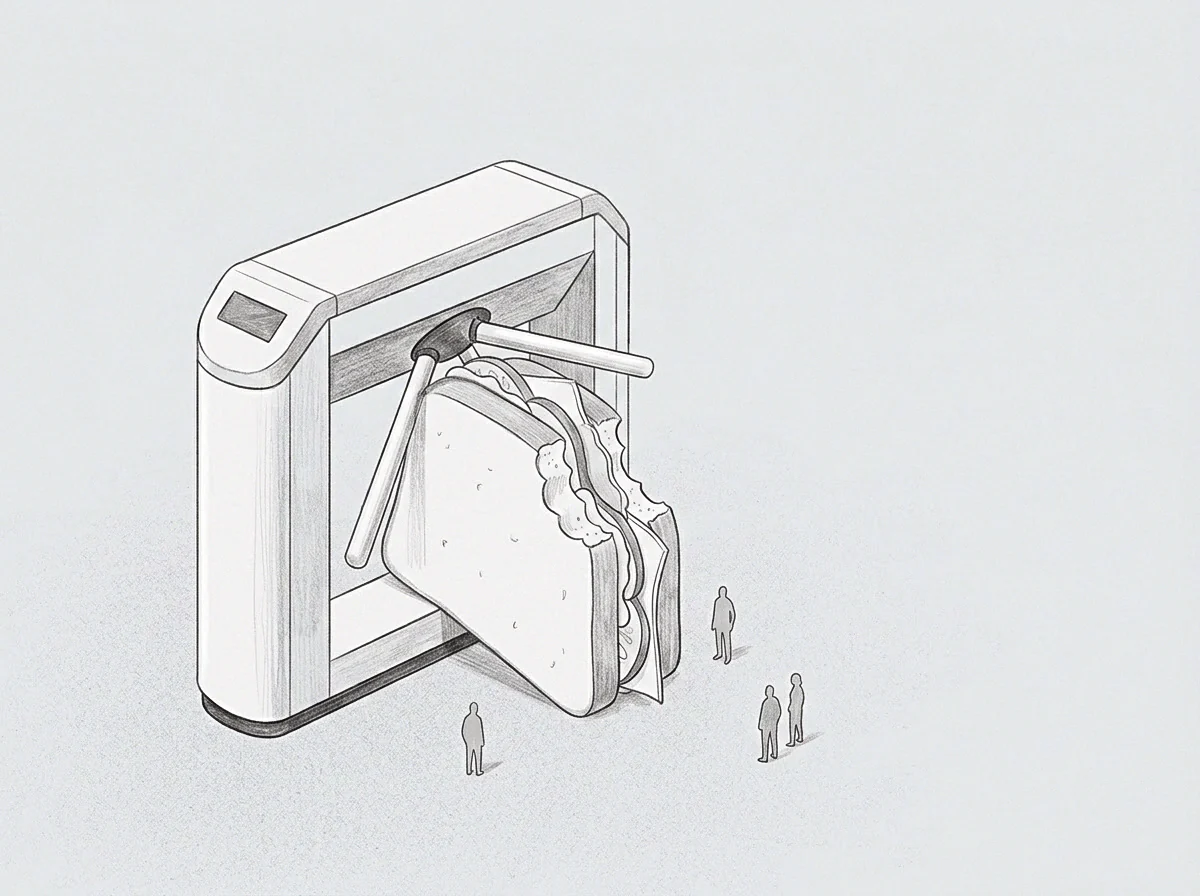
Restricting the volume of errors allowed in a specific process ensures that quality does not decline during a handover. These fault thresholds establish the boundary between acceptable minor mistakes and systemic failures that require a change in leadership. They are often measured over a rolling thirty day period.
Error Margin
Measurement of accuracy in high volume tasks relies on these specific caps. If the organization exceeds the fault thresholds, the operator must provide a written remediation plan within forty eight hours. This protocol prevents small errors from becoming habits.
Remediation Sequence
Correction of the underlying issue begins with a formal audit of the department involved to determine whether the error resulted from human oversight or a software limitation. Once fault thresholds are breached, the operator often loses a portion of their monthly management fee according to the tiered penalty structure in the contract. This cost encourages strict adherence to quality control during the transition period.
Management Intervention
Step by step analysis shows that exceeding these limits leads to a loss of autonomy for the founder. The board typically appoints an external observer to monitor the desk until the metrics return to a safe range. This oversight continues until the next reporting cycle.