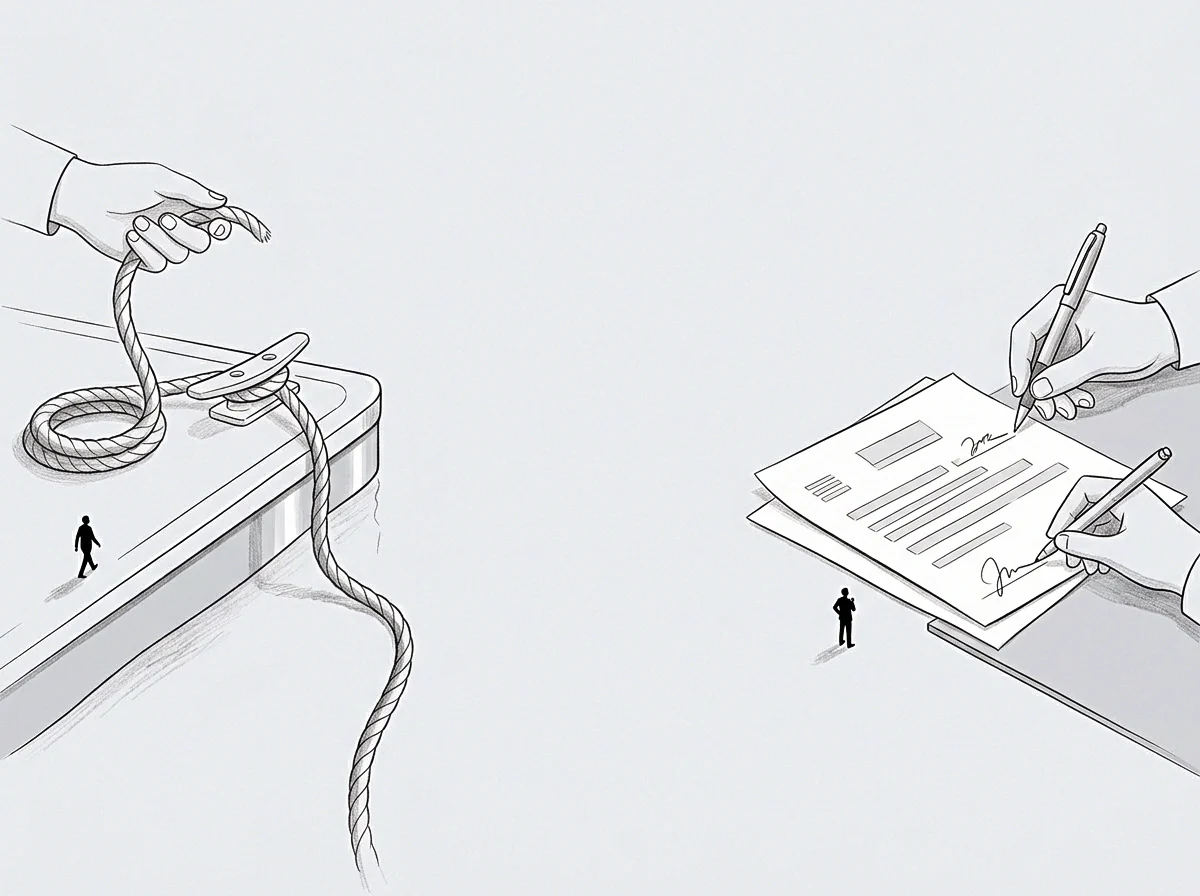
Meaning
Leadership arrangements involve one individual holding multiple functional roles during the early growth of a firm. A multi seat executive might act as the chief technology officer while also managing the sales team and the finance department. This structure is common in startups but becomes a liability as the organization requires deeper specialization.
Context Pressure
Switching between different functional mindsets requires a high level of mental agility and energy. The multi seat executive must move from technical problem solving to commercial negotiation within the same hour. This constant shifting creates a high cost in terms of focus and the quality of decisions.
Resource Dilution
Time is the most limited resource and it is split across too many competing priorities. Because a multi seat executive is spread thin, they cannot provide the necessary leadership to any single department for an extended period. This results in slow development cycles and inconsistent sales performance.
The organization remains small because the leader cannot dedicate the hours required to scale any one function. Hiring specialized managers is the only way to release this pressure and allow the company to grow.
Accountability Conflict
Problems arise when the person responsible for setting the budget is also the person requesting the funds. The multi seat executive often faces internal conflicts of interest that would be avoided in a more distributed power structure. This arrangement is a temporary bridge to a professional management team.