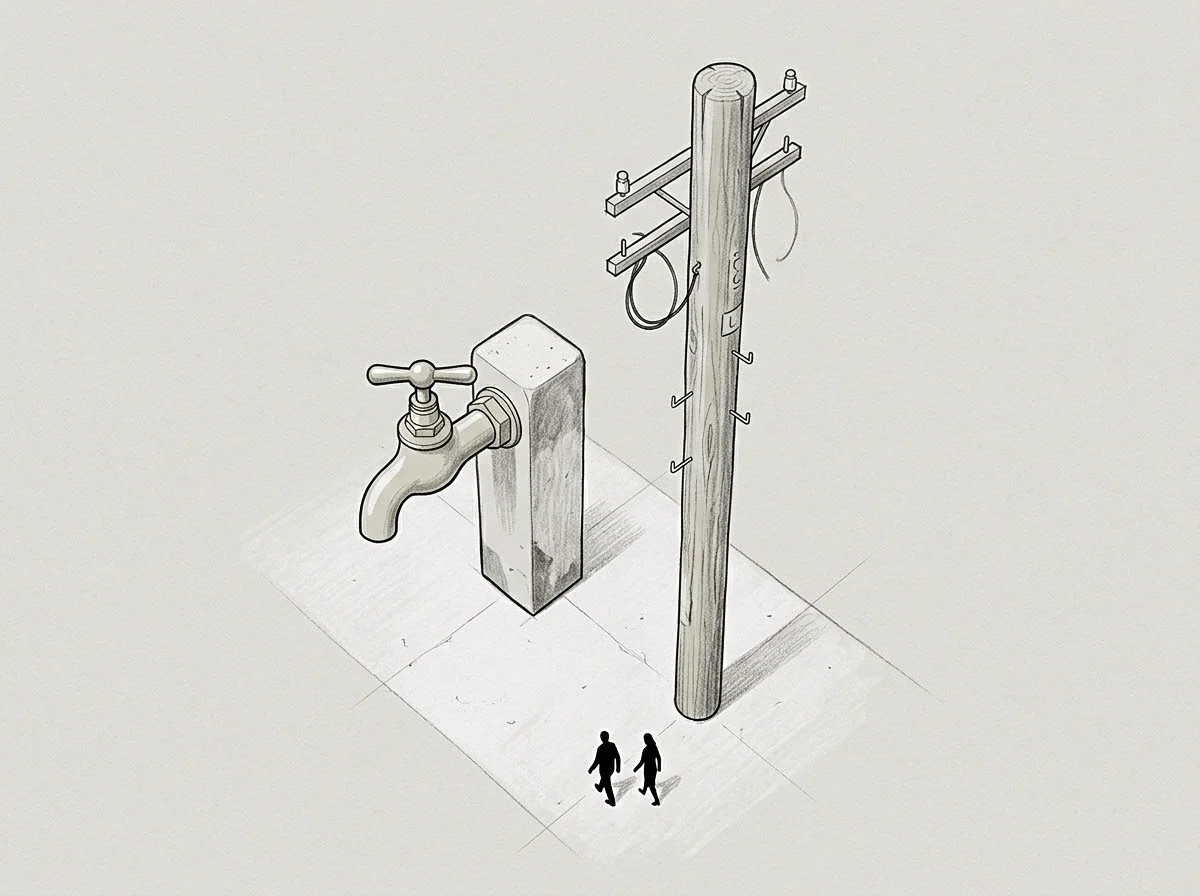
Meaning
Growth transitions require the assembly of temporary systems and middle management layers to stabilize a company as it expands. Operational scaffolding provides the structural support needed to move from a founder led model to a professionalized hierarchy. It includes interim hiring and manual workflows that bridge the gap between startup and enterprise.
These structures are designed to be dismantled or replaced once the company reaches a stable state.
Interim Support
Consultants or temporary managers fill gaps while the long term team is recruited. Utilizing operational scaffolding allows the business to continue growing without waiting for a permanent hire. This speed is essential for capturing market share in a competitive environment.
Delegation Framework
Founders must learn to trust the systems rather than overseeing every task themselves. The cost of building operational scaffolding is measured in the hours spent defining processes and training temporary staff. This investment of capacity allows the founder to step back from daily chores.
Structural Obsolescence
Tools that worked for a small team eventually become a hindrance to a large one. Identifying the right time to remove operational scaffolding is a delicate task that requires careful timing. The organization must evolve past its temporary supports to achieve its full potential.