Meaning
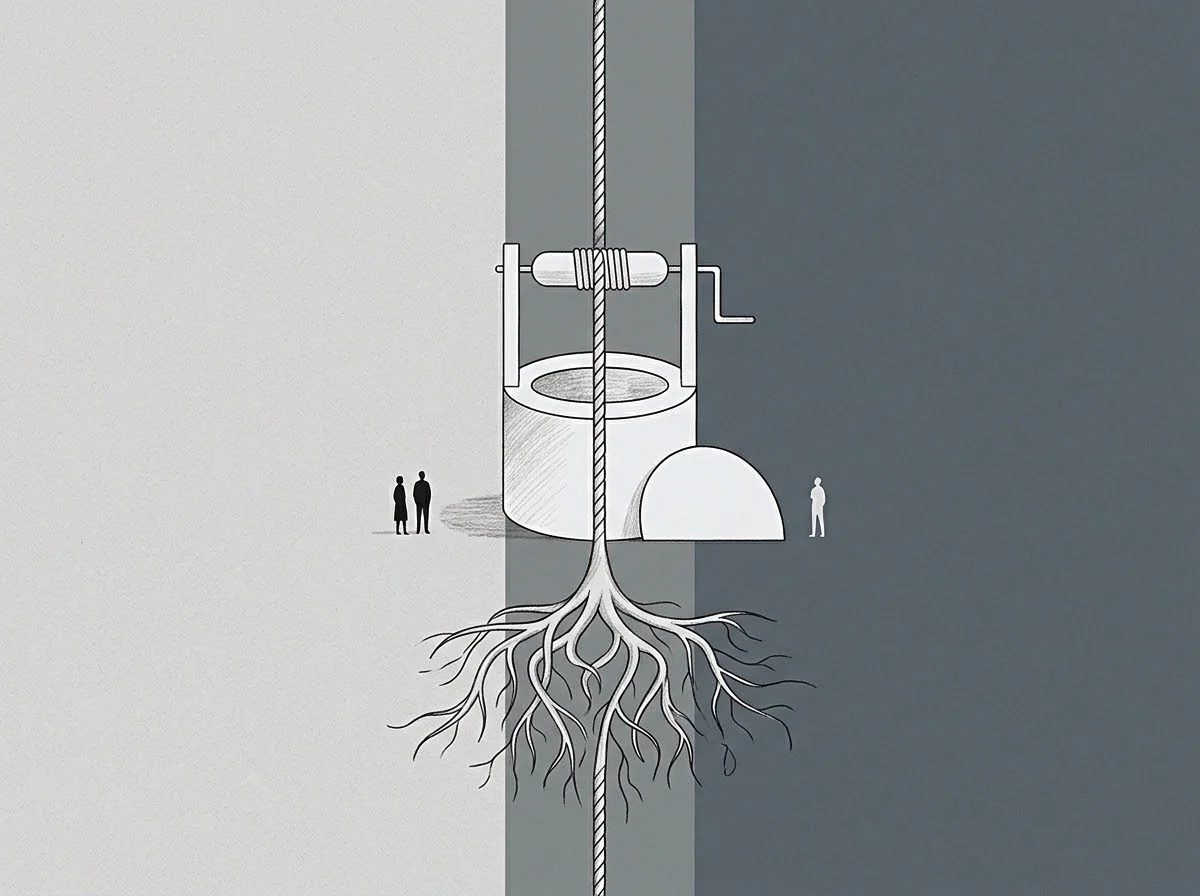
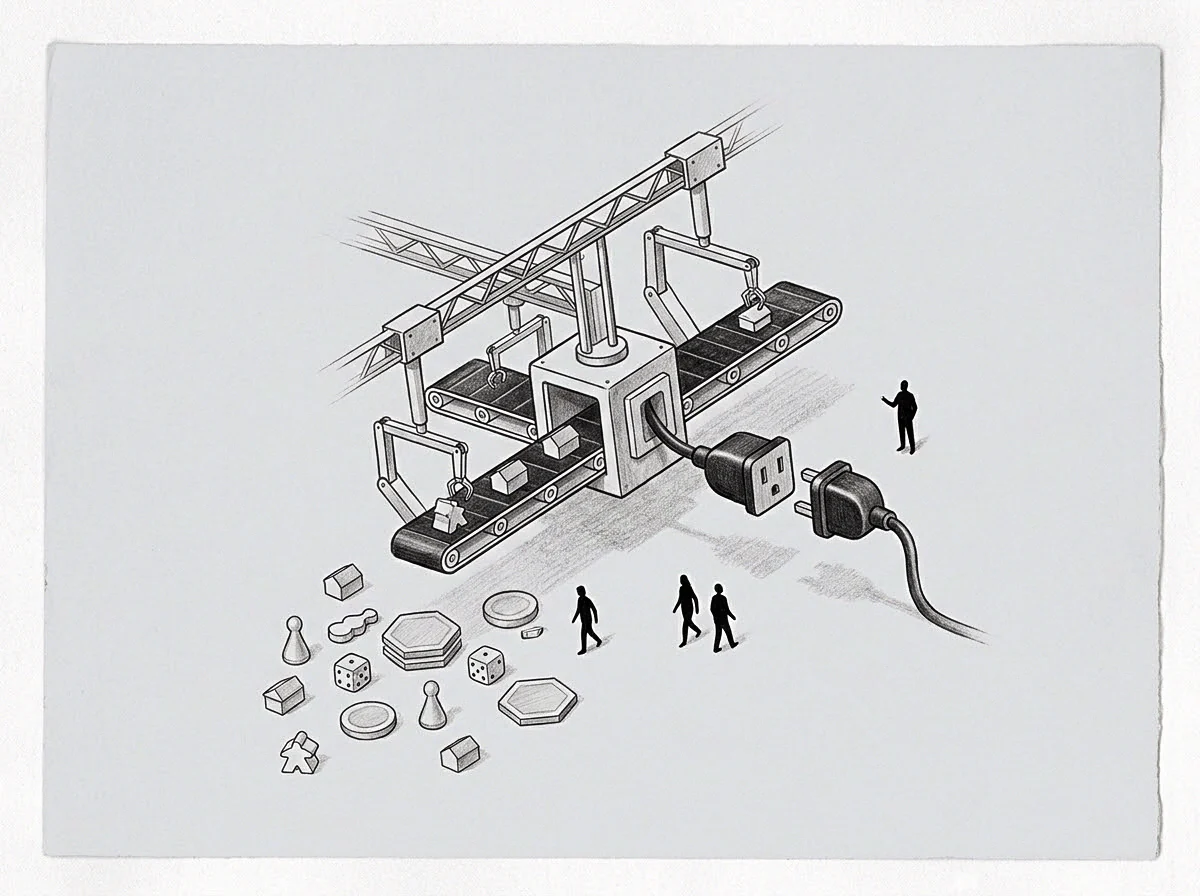
Operational throughput defines the volume of units passing through a production or service system during a specific time interval. This metric tracks the velocity at which raw inputs convert into finished outputs within an industrial or administrative framework. It sets a boundary on capacity utilization by quantifying the rate of flow that a system sustains without accumulation at bottlenecks.
Volume Cadence
Sustained output speed demands a consistent synchronization between resource arrival and processing capacity. Operational throughput measures the total successful output of a department over hours or days. Friction within a workflow creates delays that lower the numerical value of this measurement.
An operator monitors these gaps to isolate where stalls occur in the production cycle. Precise adjustments to the labor allocation often prevent the stagnation of work in progress.
Resource Capacity
Fixed capital assets dictate the upper limit of what a system produces under normal conditions. Every machine or human station consumes energy and attention to process a specific count of items per hour. High rates of throughput require a surplus of buffer capacity to absorb unexpected variability in demand.
Founders who ignore this limit encounter diminishing returns when they force production beyond the documented mechanical maximum. The cost of pushing a system past its rated speed manifests as hardware failure or significant human error.
System Efficiency
Total system output represents the primary indicator of whether an architecture functions as intended. Achieving high operational throughput necessitates a clean design where transitions between stations occur without lost minutes. Any interruption at one segment creates a ripple effect that reduces the performance of the entire chain.
Stability in the output rate indicates that the underlying process adheres to its design parameters. Predictable performance follows when the flow of work remains steady rather than erratic.