Meaning
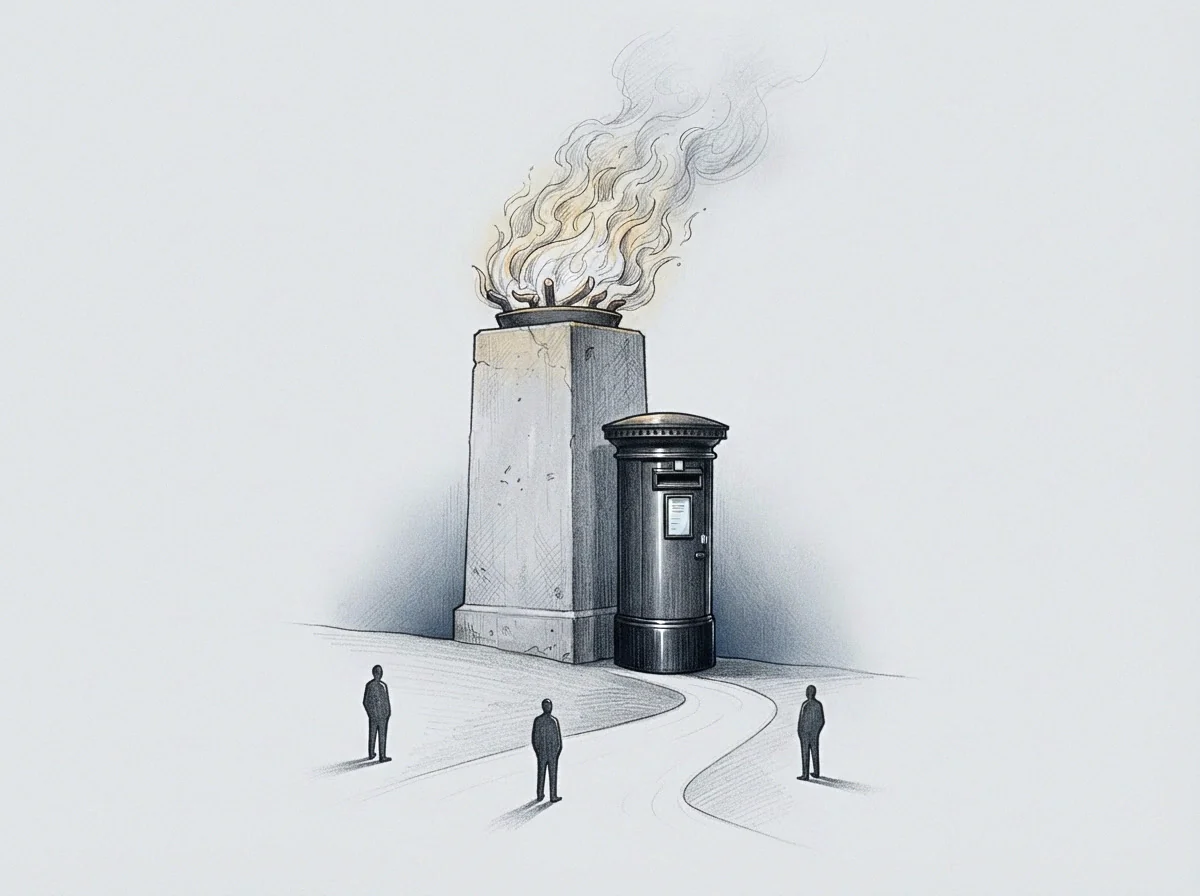
The systemic resistance to change that develops within an established company is measured against its capacity to adapt to new leadership. This organizational inertia often intensifies when a founder departs, as employees cling to old routines to find stability. It represents a silent counterweight to any new executive who tries to introduce different workflows or strategies.
The boundary of this phenomenon is reached when external market forces compel the firm to modernize.
Inertia Dynamics
Group habits and administrative procedures that have been repeated for years form the basis of this resistance. When organizational inertia takes hold, employees often rely on the excuse that tasks have always been done a certain way. This mindset prevents the adoption of modern practices.
It undermines the authority of the incoming leadership team.
Strategic Cost
Delayed projects and lost market opportunities are the standard consequences of this protective posture. While the company struggles with organizational inertia, competitors with more agile structures capture market share. This delay drains the financial and creative resources of the business.
Overcoming Resistance
Leadership teams must establish clear, incremental milestones to guide the team through changes in procedure. By addressing organizational inertia directly, the new chief executive can build trust and demonstrate the value of the updated methods. This gradual adjustment builds momentum for future innovation.