Meaning
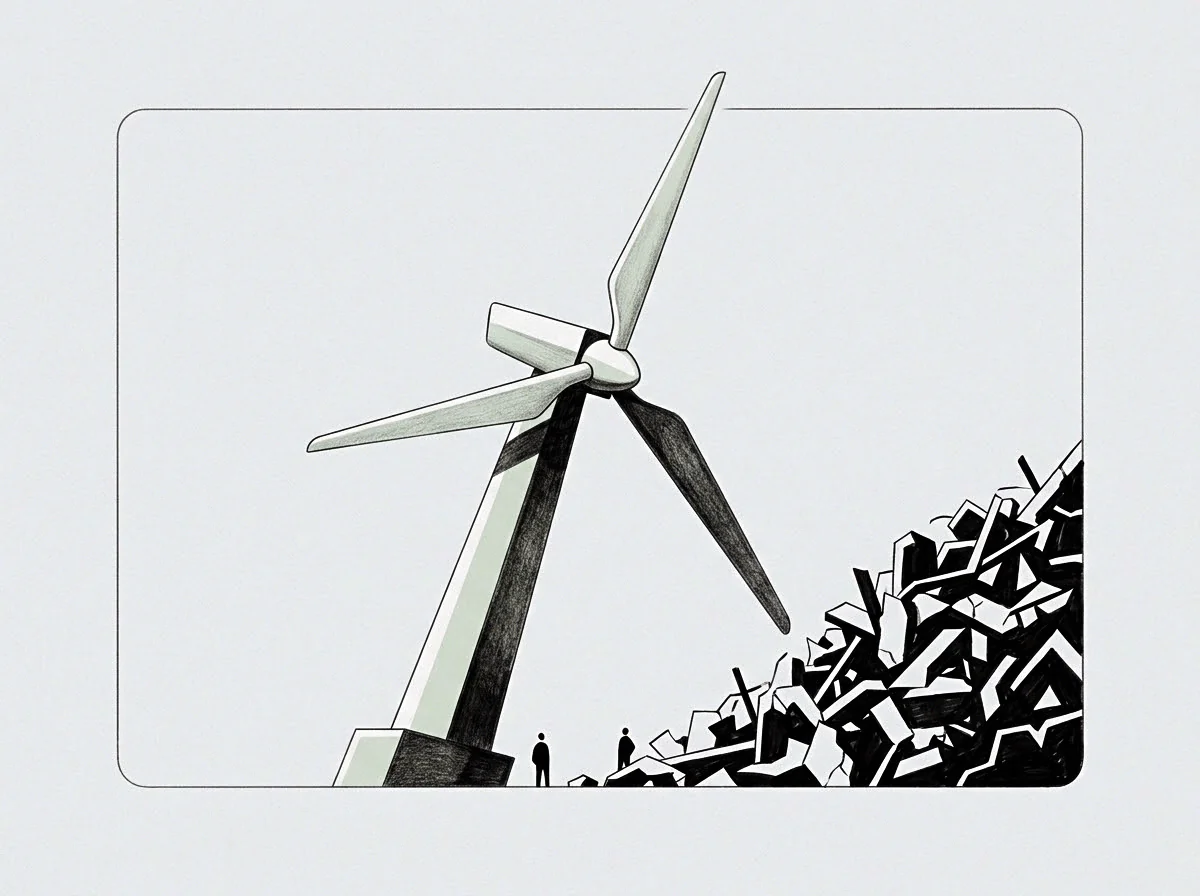
Gradual erosion of a former leader’s influence occurs over time as the organization establishes new habits, relationships, and strategic directions without them. This residual decay defines the natural sunset of a founder’s authority after they vacate the executive seat but remain on the board of directors. It is marked by a steady reduction in the number of employees who look to the founder for direction or approval.
The decay is complete when the founder’s presence is felt only as a matter of historical respect rather than operational direction.
Influence Erosion
Staff behavior shifts as team members begin to prioritize the directives of the active executive over the opinions of the retired founder.
Transition Phase
Adapting to this shift requires the former leader to deliberately withdraw from informal communication channels within the company. This silence allows the successor to build authentic relationships with the workforce and establish their own credibility. If the founder continues to offer unsolicited feedback, it creates confusion and slows the transition down.
Relationship Depletion
Over time, the internal network that the founder spent years building slowly dissolves through employee turnover and team restructuring. New hires have no personal history with the creator, rendering their historical prestige less effective as a source of leverage. Consequently, the founder’s capacity to sway internal policy declines to zero.