Meaning
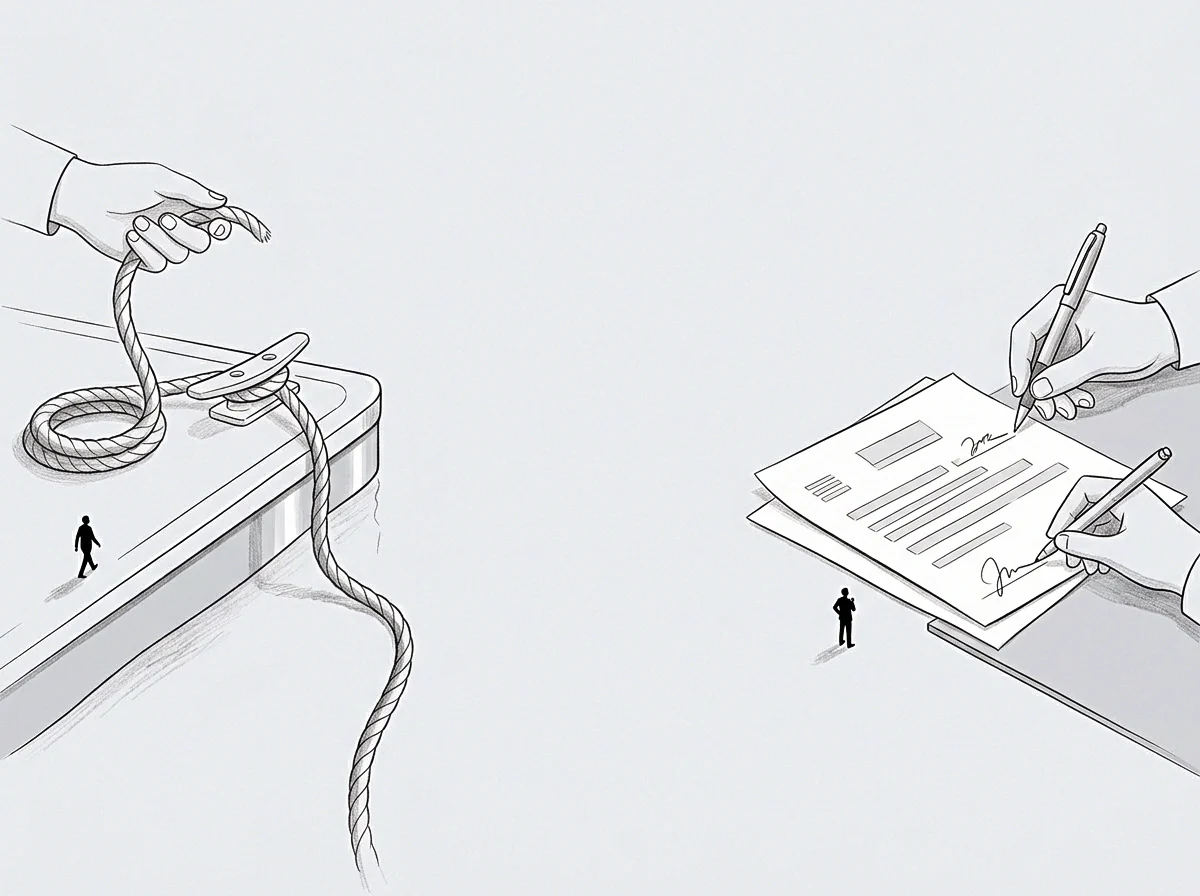
Seat unbundling defines the process of separating specific operational responsibilities or governance rights from the formal office occupied by a founder. This procedure decomposes the authority attached to a single executive position into distinct, delegatable tasks. It allows for the precise transfer of oversight without necessitating the resignation of the incumbent or the abandonment of the board role.
The practice functions as a technical instrument for shifting the daily burden of management while retaining ownership oversight.
Operational Taxonomy
Such decomposition provides a granular way to assign duties when the capacity of the original founder reaches a limit. Managing directors often utilize this mechanism to move high-frequency, low-leverage activities to external specialists. Decisions regarding resource allocation, vendor relations, or daily reporting channels shift to new owners once the seat is unbundled.
The remaining core of the seat contains only the primary strategic mandate and the legal accountability required by the articles of incorporation.
Economic Weight
Efficiency gains occur because the founder recovers significant hours of focus formerly consumed by administrative maintenance. Compensation structures require adjustment to account for the reduction in the scope of authority held by the seat holder. The organization pays for the transferred duties through salary or service contracts, which changes the internal cost profile of the leadership structure.
Professional equity values often remain stable during this transition because the primary legal liability still rests with the original party.
Liability Boundary
Legal consequences remain fixed until the formal filings reflect the change in the chain of command. Separation of duties does not alter the fundamental duty of care or the fiduciary responsibilities associated with the director position. Courts evaluate the original seat holder based on the authority retained rather than the tasks delegated.
Documentation of this handover constitutes the final barrier against potential claims of negligence.