Meaning
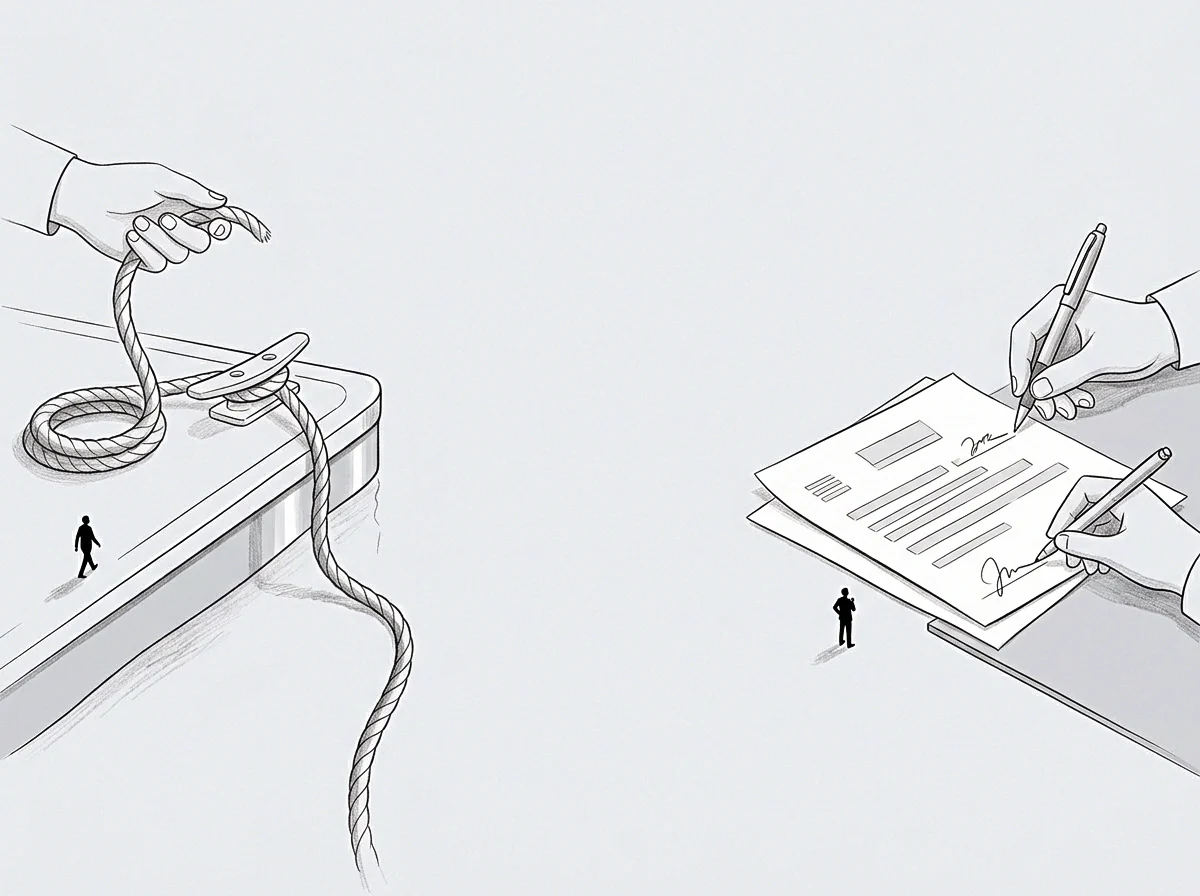
Project management approaches organize transitions into a specific, ordered series to maintain organizational stability. In the context of a leadership handover, sequential staging ensures that one department is stabilized before the next one is transferred. This prevents the chaos that occurs when too many changes happen simultaneously.
Order Logic
Prioritizing the most critical or most stable functions creates a foundation for the rest of the transition. Under sequential staging, the founder might hand over the finance role first, followed by operations, and finally the product vision. This order is determined by the readiness of the new managers and the level of risk involved in each seat.
Resource Timing
Allocation of time and attention is managed to prevent the team from becoming overwhelmed. Sequential staging allows the organization to learn from the first stage of the handover and apply those lessons to the next. The cost of this approach is a longer total transition time, but the benefit is a much lower risk of operational failure.
By focusing on one functional area at a time, the leader can provide the necessary support to the person taking over.
Outcome Verification
Success is measured at each stage before moving to the next part of the plan. Sequential staging includes specific check-points where the performance of the new manager is evaluated. This ensures that the organization is not building on a weak foundation.