Meaning
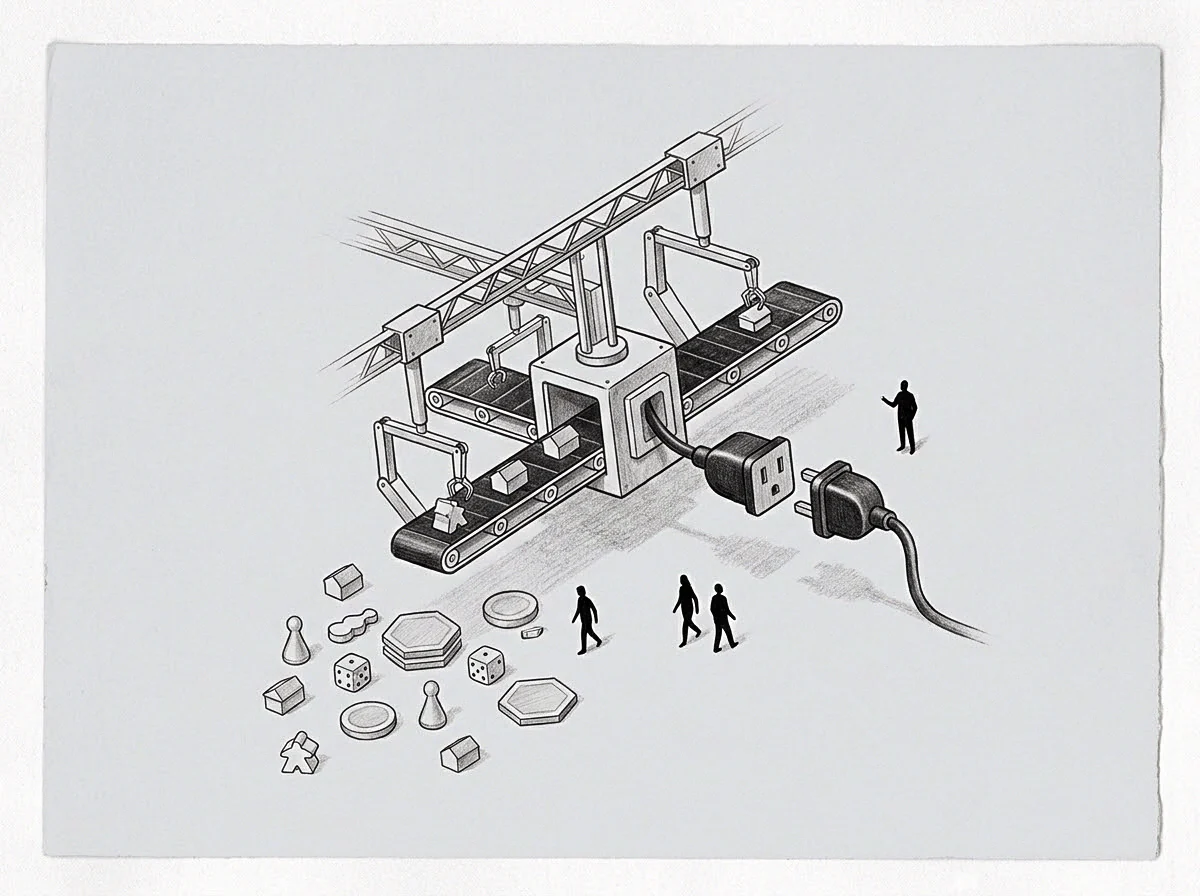
Written instructions codified to fix the sequence of actions for routine operational tasks inside a company define standard operating protocols. These procedures remove discretion from repetitive tasks so that multiple operators achieve identical outcomes without relying on individual memory or improvised judgment. A founder adopts standard operating protocols during the transition from direct execution to delegated management, substituting personal oversight with documented sequence.
The boundary of applicability arrives where tasks require creative synthesis or unpredictable exception handling, because rigid steps break down in novel environments.
Operational Burden
Documenting tacit routines consumes hundreds of founder hours that could otherwise target product development or capital acquisition. Writing down every contingency drains attention away from strategic positioning and fixes the operator in a clerical posture. The cost manifests as a steep reduction in daily adaptability while the documentation process absorbs organizational capacity.
Execution Failure
Employees frequently misinterpret written instructions when edge cases fall outside the stated parameters of the protocol. Supervisors often discover that a published sequence permits multiple divergent interpretations on the shop floor. This ambiguity introduces errors that standard operating protocols were originally deployed to prevent.
Control Tradeoff
Formalizing operational steps exchanges personal supervisory control for contractual predictability across the workforce. Procedures reduce variance in output quality but simultaneously suppress the spontaneous improvements that line workers might otherwise introduce. Every additional protocol narrows the discretionary space available to operators and shifts administrative friction back toward the center of the organization.