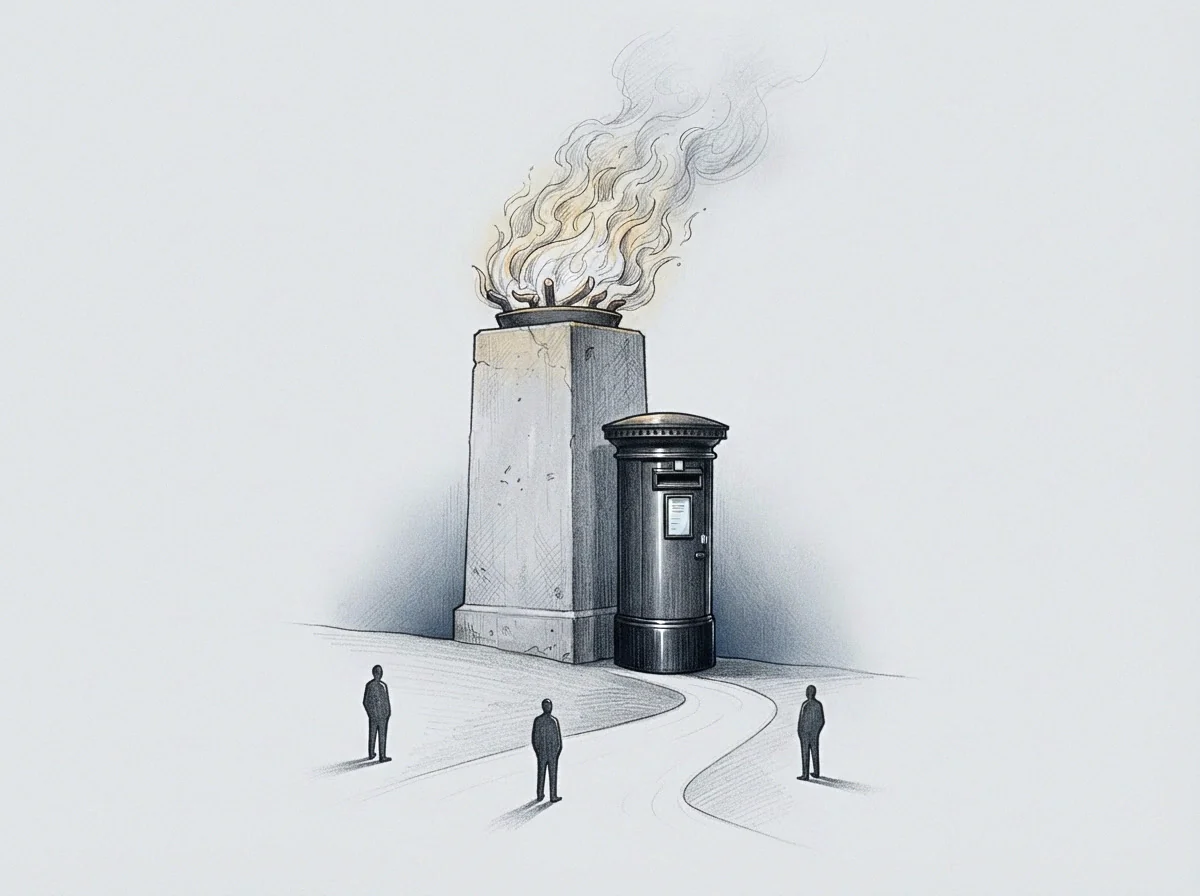
Meaning
The formal division of authority and resources between different corporate bodies provides the basis for orderly transition management. Applying structural demarcation between the board and the executive team is essential to prevent founders from intervening in day-to-day operations. This separation defines which decisions require board approval and which belong solely to the active chief executive.
The boundary of this division is maintained through regular governance reviews and strictly enforced communication protocols.
Division Mechanism
Board charters and updated bylaws provide the legal tools for establishing these boundaries. Through structural demarcation, the company ensures that the founder’s non-executive seat carries no direct operational authority. This arrangement protects the new management team from informal interference.
It establishes a clear line of command.
Administrative Clarity
When employees know the exact boundaries between the founder’s board role and the CEO’s executive role, they work with greater confidence. This structural demarcation removes the anxiety of having to choose between the wishes of the creator and the commands of the current boss. It keeps daily work focused on the company’s targets.
Strategic Protection
A clear division of roles allows the board to focus on long-term strategy while the executive team runs the daily business. In organizations with strong structural demarcation, the transition to new leadership is completed with minimal disruption to the business. This stability supports the long-term health of the enterprise.