Meaning
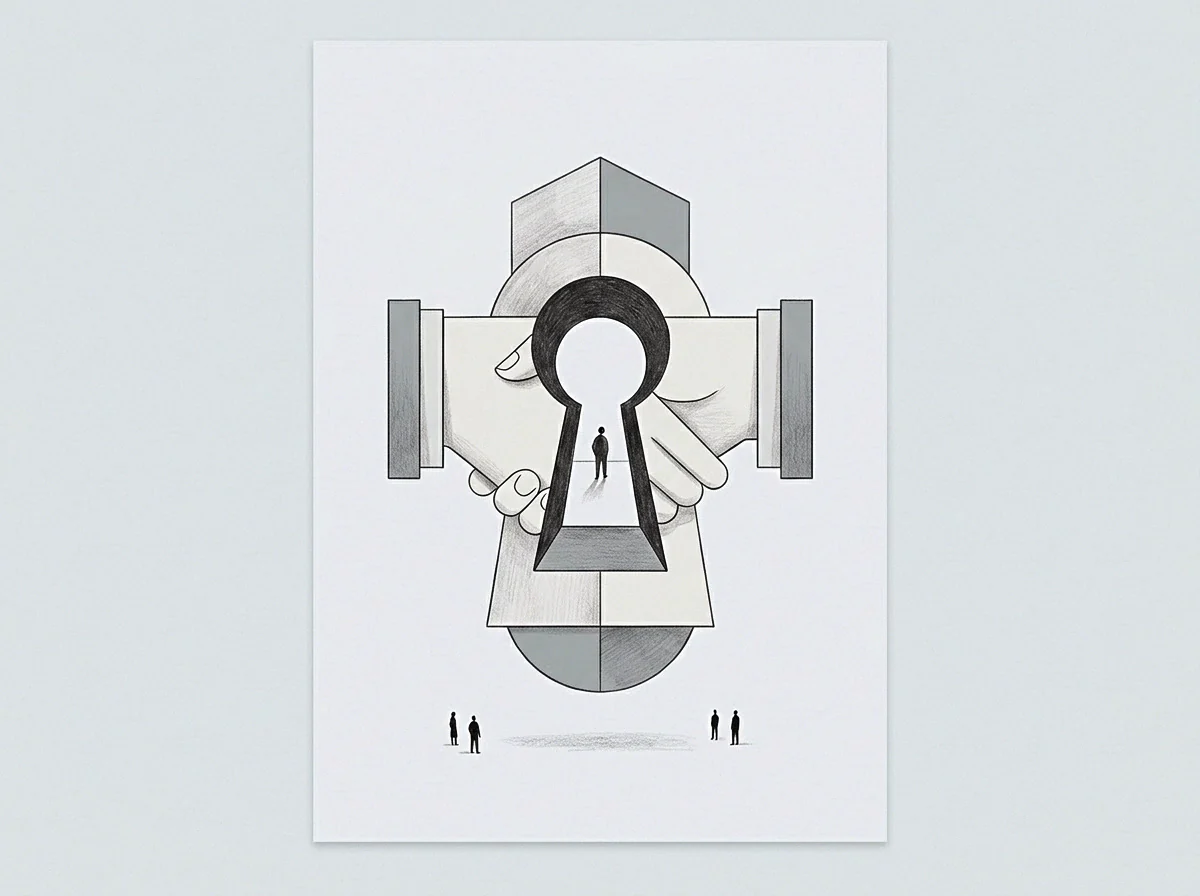
Deliberate organizational barriers decouple a specific role from the broader company systems to minimize disruption or protect sensitive functions. The practice of structural isolation often occurs when a founder moves into a specialized research or advisory position. It allows the individual to continue contributing their expertise without interfering in the management of the core business.
Systemic Buffer
Creating distance between the visionary and the daily operations prevents the organization from reacting to every new idea. Structural isolation protects the team from the whiplash of frequent strategy changes. It ensures that the current business plan has the space to be executed fully.
This arrangement preserves the energy of the staff for the tasks at hand.
Strategic Distance
Detachment from the operational layer allows for a longer-term view of the market. A founder in structural isolation can focus on the next five years while the management team focuses on the next quarter. This separation of time horizons is a common feature of successful handovers.
It turns the founder into a strategic asset rather than an operational bottleneck.
Continuity Guard
Protecting the company from the personal risks of a single leader is a form of risk management. Structural isolation ensures that the business can function even if the founder is unavailable or decides to leave. The cost for the individual is a feeling of being removed from the heart of the action.