Meaning
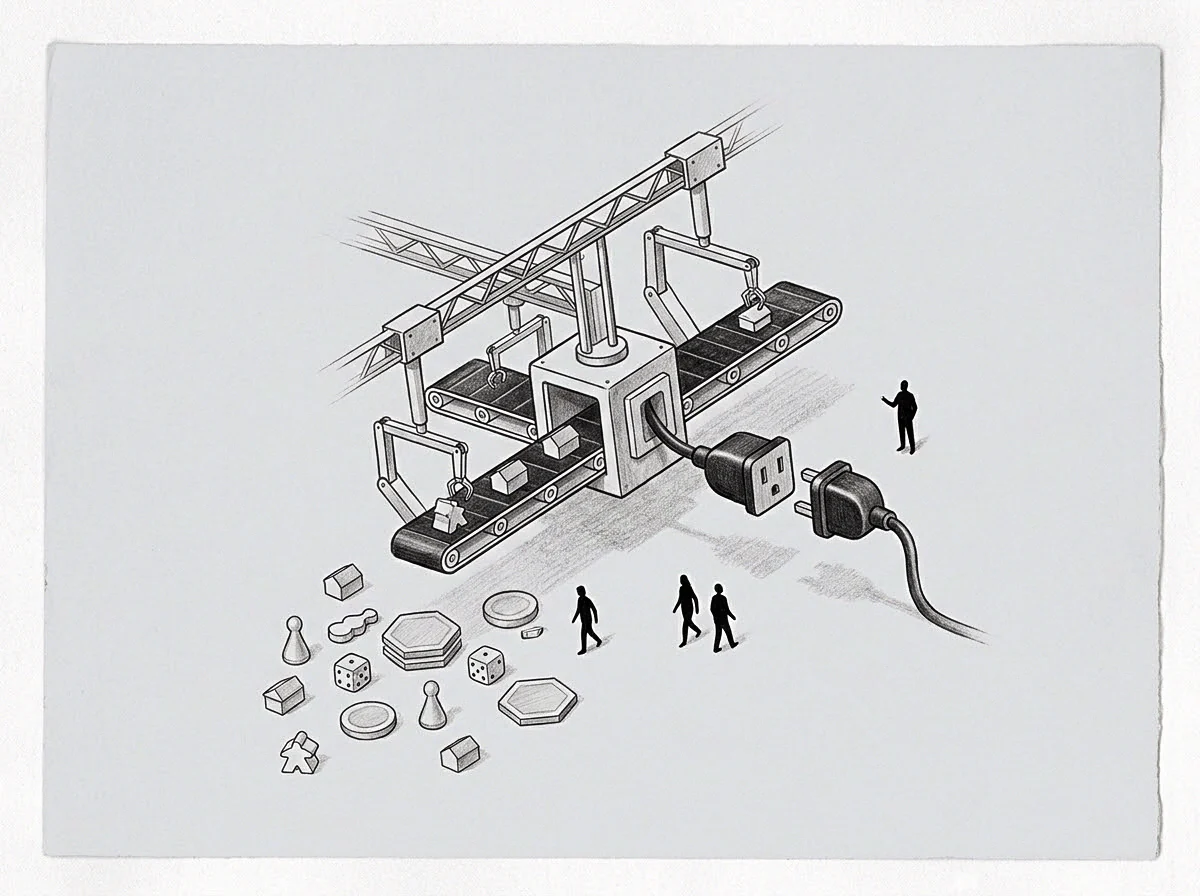
Assignment of authority from a manager to a subordinate creates the mechanism known as task delegation. Professional autonomy shifts downward through this process, which allows an operator to execute specific objectives without constant direct supervision. Organizational capacity increases as a result of distributing these responsibilities across a team rather than concentrating every decision at the top.
The boundary of this practice exists where legal liability or high-level strategic equity remains non-transferable.
Operational Capacity
Founder output increases when administrative loads are partitioned among team members. Efficient task delegation reduces the frequency of bottlenecks that occur when a single person holds approval authority over every minor step. Daily hours that were previously dedicated to routine management transition back to product oversight or growth planning.
Capacity Expenditure
Total energy investment fluctuates according to the quality of training provided before a transfer of work occurs. Initial time spent explaining standards and expected results represents an upfront cost that lowers future overhead. Repeated monitoring of delegated functions eventually stabilizes the workload across multiple seats.
Resulting Cost
Financial overhead remains constant even while individual productivity gains accumulate. High-quality execution of assigned duties requires clear documentation and consistent feedback loops. The cost of task delegation manifests primarily as a reduction in the personal control a founder exerts over daily production outputs.