Meaning
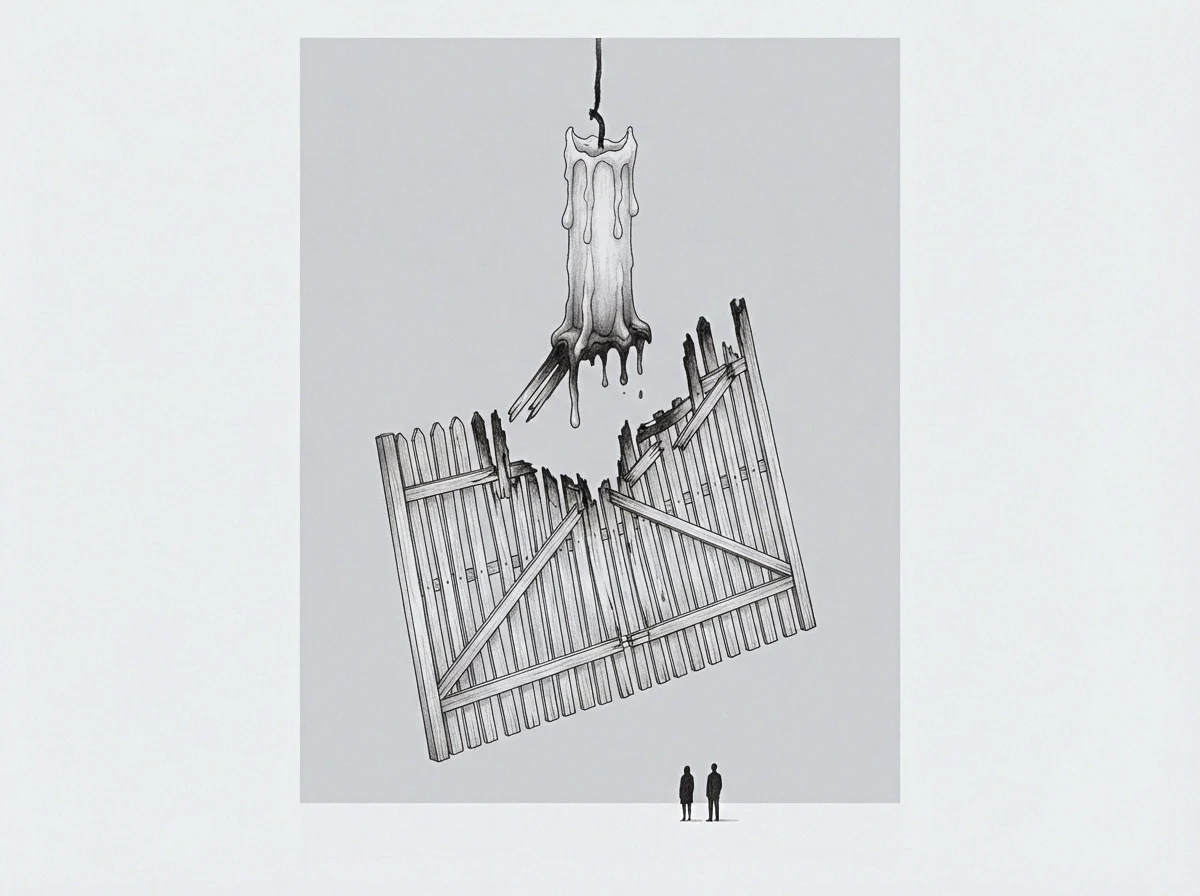
Operational collapse of prioritization occurs when an enterprise founder faces too many competing demands simultaneously, causing the immediate urgency of every incoming issue to override long-term strategic alignment. Triage gravity pulls leadership attention downward into reactive firefighting, locking the principal inside daily tactical triage at the expense of structural oversight. This downward pull increases administrative capacity costs, draining the hours required for board governance and capital allocation.
The mechanism halts entirely once delegation structures decouple routine operational decisions from executive intervention.
Operational Drift
Daily operations expand to consume all available management capacity unless explicit structural filters protect executive time. Founder attention settles on the lowest level of internal friction, substituting immediate problem resolution for product direction. Administrative overhead multiplies as small exceptions bypass standard procedures to reach the founder directly.
Delegation Threshold
Delegation fails when intermediate managers lack decision authority for edge cases, forcing operational matters back upward. Triage gravity strengthens with every instance of founder intervention, training the team to escalate rather than resolve ambiguity. Structural boundaries must separate tactical exception handling from enterprise planning to stop this upward migration of routine choices.
Capacity Cost
Executive energy diminishes rapidly under constant tactical interruption, leaving insufficient attention for financial solvency oversight. Recovery from this state demands a deliberate reallocation of hours away from operational response toward system redesign. Founders trapped by immediate demands sacrifice long-term enterprise value to clear daily backlogs.