

Weighted Voting Rights and Class Share Calibration in Executive Governance
Weighted voting separates operational command from equity ownership through asymmetrical share classes that preserve executive authority against capital dilution.
Weighted voting separates operational command from equity ownership through asymmetrical share classes that preserve executive authority against capital dilution.

Sunset trigger clauses automatically convert super-voting founder equity into ordinary single-vote common stock upon specified operational, temporal, or transfer events.

Class B equity charters assign high-vote share multiples to founding partners, separating operational voting control from underlying cash distribution rights.
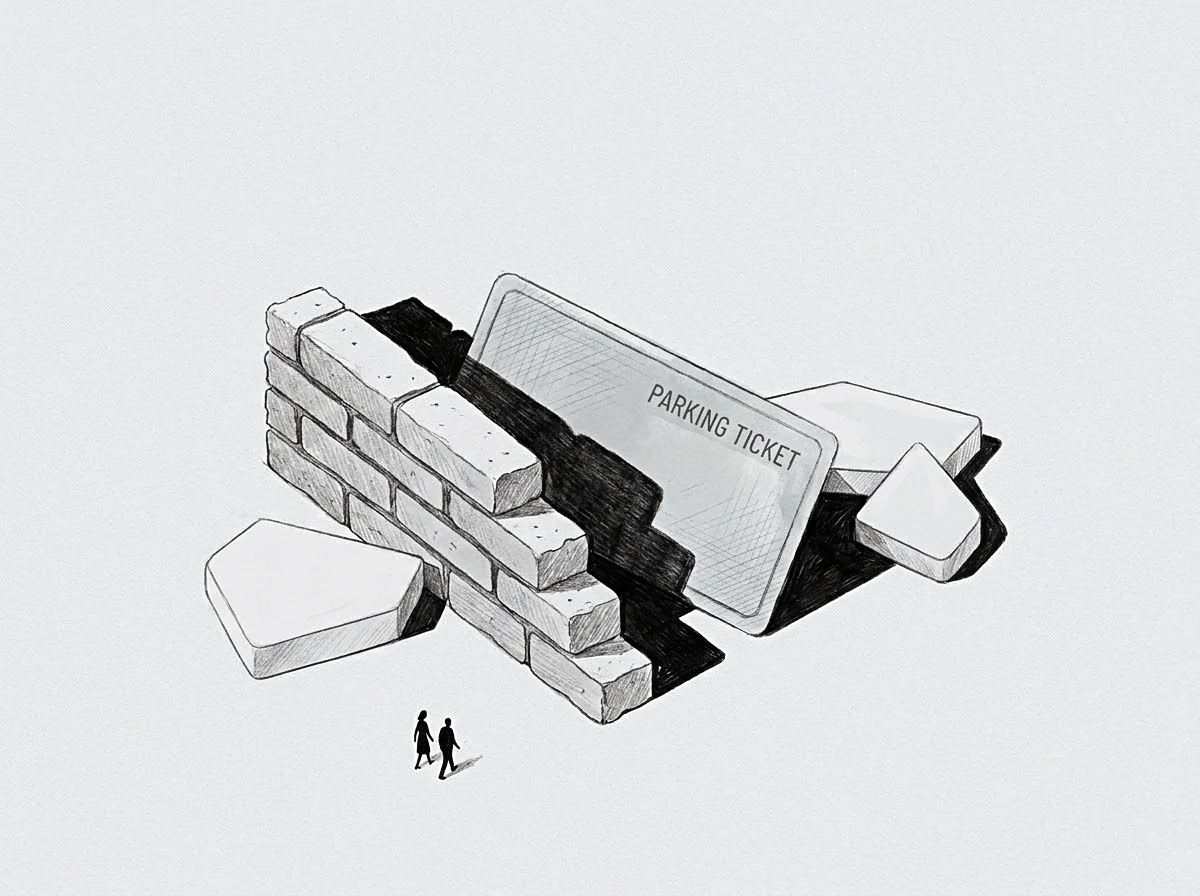
Contractual waivers of fiduciary loyalty in Delaware corporations are statutorily void, exposing inside down-round recap syndicates to entire fairness review.

Multi-tier recapitalizations clear conflicted insider interests and fiduciary claims through special independent committees, market checks, and rights offerings.

Delaware preferred stock requires explicit certificate authorization defining liquidation rank, conversion ratios, and separate class voting protections.

Converting shadow equity to common stock triggers immediate supplemental wage withholding obligations that require cash reserves despite the illiquid share form.

Commercial arbitration tribunals remedy bad faith bad leaver clawbacks by ordering specific equity reinstatement or awarding fair market value damages.

Early non-executive equity clashes resolve through structured tender offers, class reclassifications, and independent committee fairness procedures.

Dynamic allocation calculates equity through standardized risk units that multiply cash and foregone market wages until a commercial freeze milestone.

Asymmetrical early founder contributions resolve by converting surplus cash into subordinated promissory notes while subjecting sweated labour to milestone vesting.

Failing to file an 83(b) election converts corporate share cancellation proceeds into ordinary wage income subject to mandatory payroll tax withholding.

Valuation distortions between early cash and operational labor resolve by separating immediate capital pricing from milestone-contingent sweat allocation.

Punitive equity forfeiture clauses enforce strictly under Delaware contractarian statutes but face widespread invalidation as unlawful penalties in other state forums.

Statutory dissolution filings break supermajority distribution deadlocks by triggering mandatory corporate fair-value buyouts without minority discounts.

Insolvency stays convert defaults, void pre-filing asset transfers under preference laws, and relegate unsecured noteholders to bottom-tier equity residual claims.

Insolvency reversion rights reclaim licensed intellectual property only when structured through pre-filing operational triggers or perfected security liens.

Executed pre-existing technology assignments survive early operational termination because initial equity delivery satisfies legal consideration rules.

Reverse vesting subjects stock issued for contributed assets to company repurchase options triggered when operational service terminates prematurely.

Reversionary covenants isolate core software in a bankruptcy remote holding entity, automatically revoking operating rights if founder disputes cause insolvency.

A founder license preserves title to pre-existing assets while granting the corporate venture exclusive commercial exploitation rights through strict terms.

Courts enforce broad contractual authority and exculpation clauses granted to shareholder representatives, barring challenges absent proven bad faith.

Shareholders break stack deadlocks by creating contractual carveouts that reallocate senior liquidation cash to buy junior class voting consent.

Evidentiary standards require contemporaneous, market-linked proof and independent appraisals before discretionary valuations can trigger tiered waterfall payouts.

Creditors possess statutory avoidance rights and priority claims over corporate assets distributed in kind to equity owners during insolvency.

Exchanging accrued operational debt for junior stock triggers corporate cancellation income unless protected by insolvency or shareholder contribution rules.

Issuing deferred equity for past labor triggers ordinary income tax on current market value unless structured through timely elections or profits interests.

Converting accrued founder salary into common equity exchanges senior wage claims for junior share ownership while triggering potential debt cancellation tax exposure.

A corporate board diluting an inactive common shareholder must establish entire fairness or implement independent special committees and open rights offerings.

Reverse vesting subjects fully issued common shares to investor-mandated repurchase options that unvest equity over a renewed service calendar.
The terms are written where they belong. Each field holds three desks, and every entry a desk writes raises the terms it uses, each term given a meaning, a mechanism and the places it appears. The record on these pages stays first person and hand made; the fields grow the nomenclature.