
Evaluating Governance Drift and Operational Friction During Phased Executive Scaffolding Removal
Governance drift and operational friction occur when phased executive scaffolding is removed without formalizing tacit decision boundaries and capital delegation thresholds.

Plank
An incoming chief operating officer takes responsibility for a three-hundred-person software enterprise while an interim steering committee retains secondary approval on expenditures exceeding twenty thousand dollars. Nine months into the tenure, expenditures stall in committee review, department heads maintain dual-reporting paths to the founder, and core strategic shifts lag behind market requirements. Temporary governance rails, advisory steering groups, and interim oversight seats exist to stabilize an enterprise during leadership transitions.
Structural supports isolate the incoming executive from systemic errors while functional context remains incomplete.
Temporary structures create distinct operating conditions that differ from permanent organizational designs. The scaffold provides risk containment during the initial orientation period. Senior leadership teams frequently construct these mechanisms during founder exits, turnaround interventions, or rapid institutional scaling.
Temporary mechanisms alter authority structures across three distinct dimensions: direct capital authorization, strategic direction validation, and cross-functional dispute resolution.

Temporary Authority Rails and Strategic Oversight
Interim approval mechanisms restrict executive autonomy to protect existing capital reserves. Governance rails set fixed limits on independent commitments while establishing formal observation channels for non-executive directors. The arrangement allows the board to monitor decision quality without assuming daily management duties.
Authority follows capital allocation.
Organizational friction emerges when temporary control limits overlap with routine operational mandates. Department managers face conflicting directions when an executive approves a project that subsequently stalls in an advisory committee. Decision latency increases as approval requests pass through parallel review layers.
The operational velocity of the firm decelerates across routine purchasing, talent acquisition, and vendor contracting.

Structural Composition of Interim Executive Supports
Executive scaffolding relies on specific administrative instruments to maintain institutional stability during transition periods. Organizational structures deploy these temporary mechanisms to bridge the gap between founder-led management and professionalized leadership models.
- Dual-Signoff Mandates enforce secondary validation on capital commitments exceeding established operating thresholds during initial quarters.
- Shadow Governance Committees evaluate resource allocations before formal board submission to preserve strategic alignment.
- Interim Operational Benchmarks establish baseline throughput metrics required before delegating unmonitored budget approval.
- Advisory Steering Seats provide interim domain knowledge while the permanent executive establishes functional baseline routines.
The duration of interim support structures directly influences operational behavior across middle management. Prolonged oversight signals a lack of board confidence in the seated executive. Line managers continue seeking informal guidance from outgoing founders when temporary advisory bodies remain active past their designed tenure.
Silence creates governance drift.
A shadow approval mechanism retained beyond three quarters produces decision paralysis across line managers.
Codified escalation channels prevent informal communication loops between former leaders and department heads. Clear authorization boundaries delineate where temporary steering authority ends and executive autonomy begins. The mandatory six-month review clause transforms an informal advisory committee into a binding governance checkpoint, altering decision rights across all operational units.

Strain
Removing structural supports alters how authority functions across operational teams. Executive transitions experience specific physical and organizational tensions when temporary oversight mechanisms are withdrawn. Uncoordinated scaffold removal introduces volatility into decision-making workflows, as operational teams test the limits of newly unmonitored authority.
Operational friction arises from the mismatch between formal authorization policies and informal communication habits. Line managers accustomed to dual-signoff mechanisms struggle to proceed without secondary validation. Decision latency increases during early withdrawal phases because internal teams seek consensus to offset perceived personal risk.
Tacit knowledge rarely codifies cleanly.
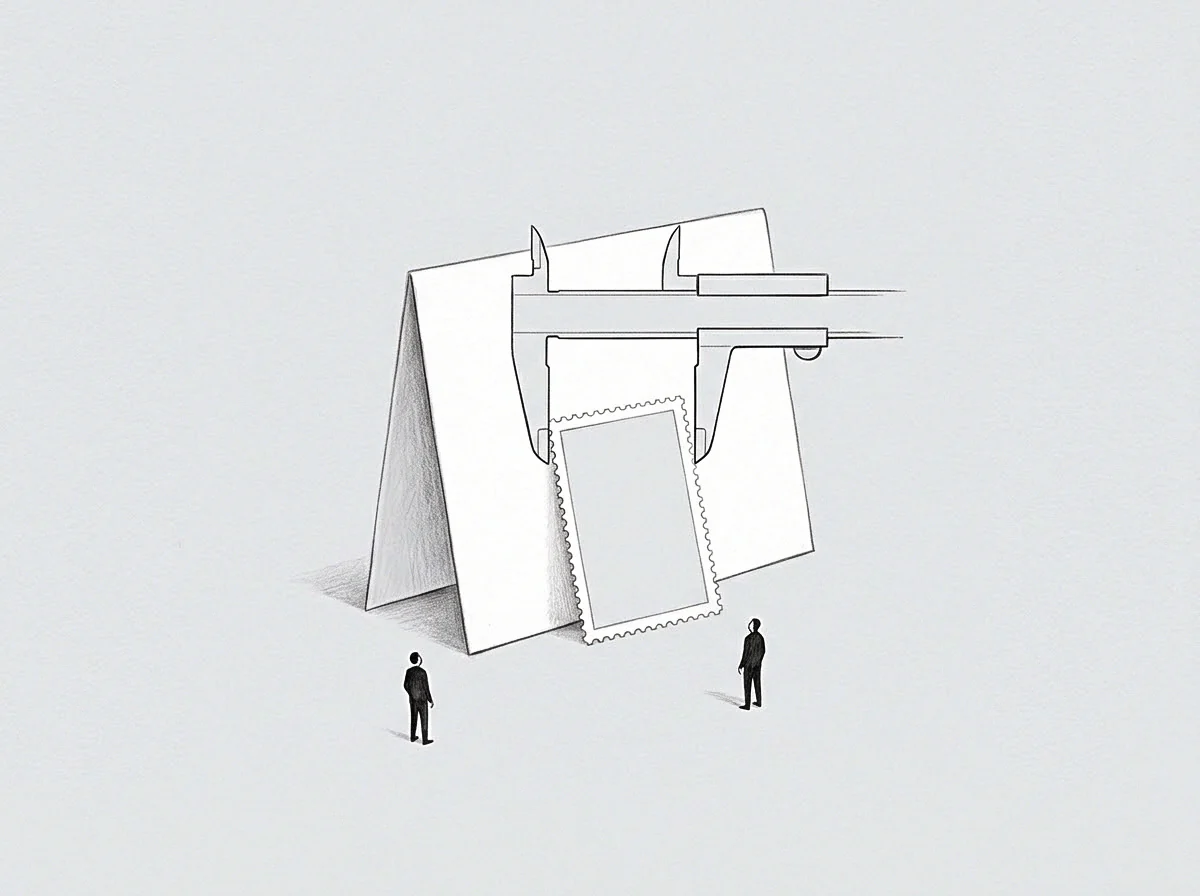
Operational Friction Points in Transition Phases
The withdrawal of temporary steering committees creates operational voids that middle managers fill with improvised processes. Functional units frequently establish redundant review meetings to replace dissolved advisory rails. This behavioral hedge increases internal administrative burden while reducing operational throughput across core business units.
Informal consensus delays capital execution. Department leads spend excess hours building internal coalitions for routine expenditures that previously moved through standardized steering approvals. The capacity lost to informal alignment reduces output across product development and client delivery teams.
Unwritten rules invite operational confusion.
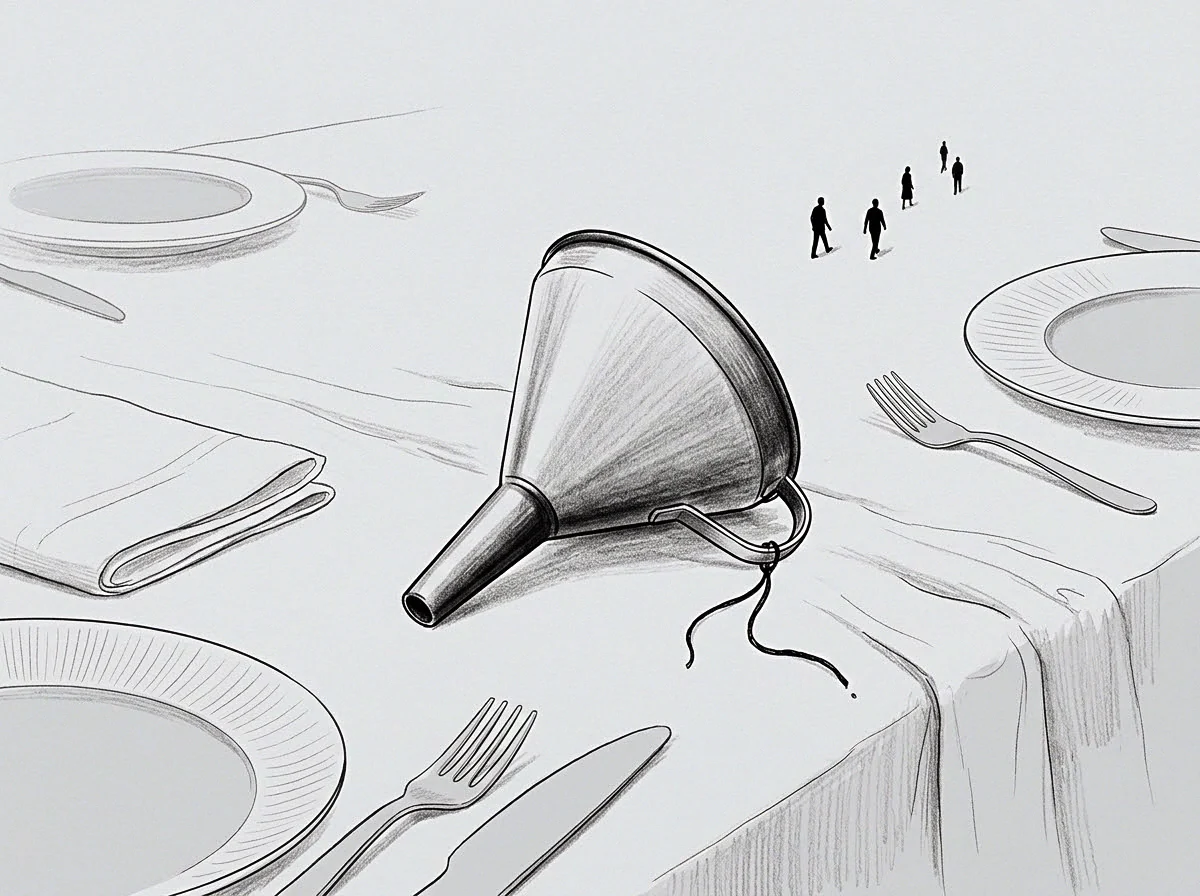
Governance Drift Across Organizational Layers
Strategic divergence occurs when unmonitored executives interpret broad board directives without intermediate check-ins. Governance drift manifests as subtle realignments in resource allocation, hiring profiles, and product roadmaps. Without structured feedback rails, daily operational trade-offs accumulate into major departures from board-approved strategy.
| Withdrawal Phase | Dominant Friction Source | Drift Manifestation | Primary Mitigation Mechanism |
|---|---|---|---|
| Initial Shadow Removal | Approval uncertainty among department heads | Minor resource reallocation to familiar vendor networks | Explicit delegation matrices with fixed dollar ceilings |
| Advisory Rail Deletion | Cross-functional alignment gaps between unit leads | Divergence between product development and sales targets | Structured monthly operational reviews with board members |
| Full Authority Transfer | Executive isolation during strategic trade-offs | Unapproved adjustments to long-term capital allocation plans | Formal performance metric monitoring tied to board governance |
Monitoring governance drift requires tracking micro-allocations of budget and staff hours. Small operational adjustments made by an unencumbered executive can redirect functional priorities within six months. Board oversight replaces daily monitoring.
Early detection relies on quantitative variance tracking rather than subjective leadership updates.
Decision velocity drops when operational authority transfers faster than tacit domain knowledge is codified.
Shadow boards increase decision latency. When temporary oversight structures remain partially active without formal scheduling, authority becomes ambiguous across all management levels. Uncoordinated scaffold removal leaves functional leads operating under conflicting authority structures, consuming executive capacity in repetitive jurisdictional disputes.
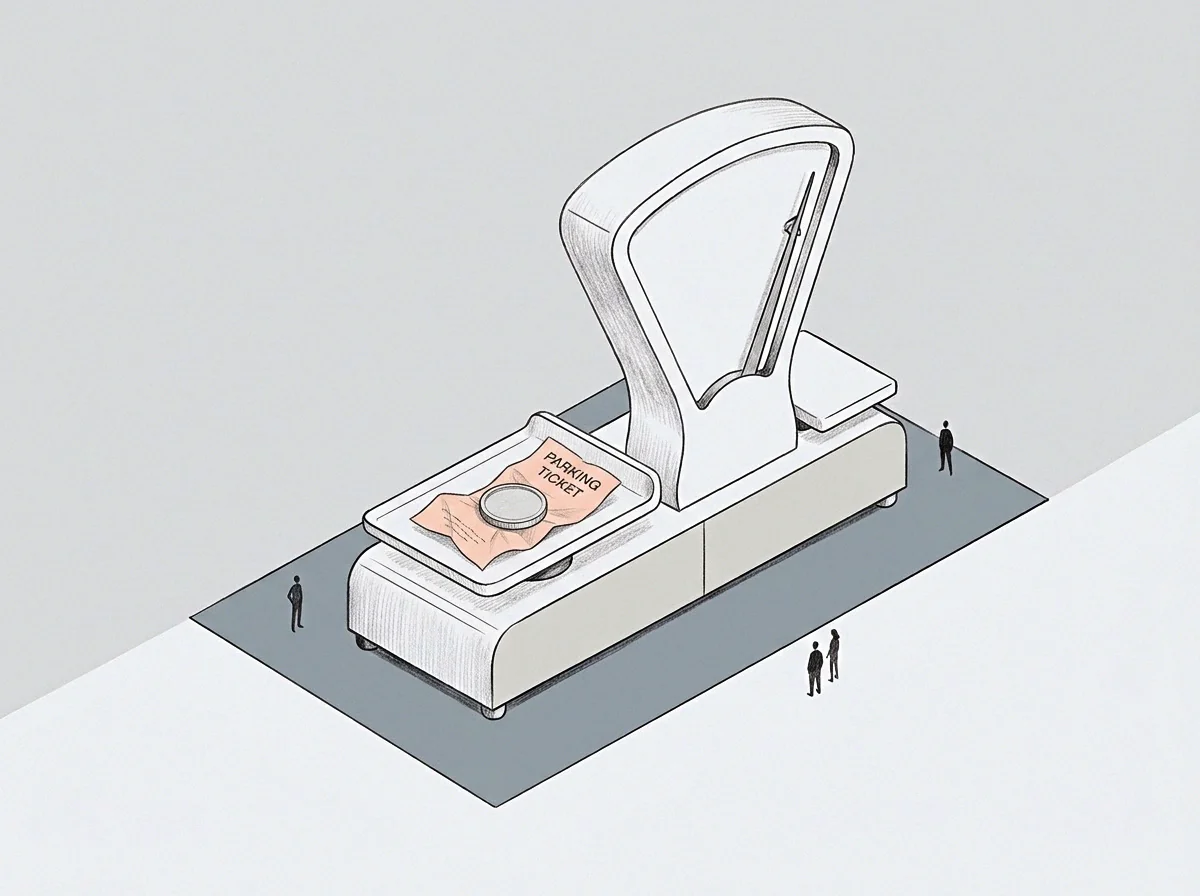
Taper
Phased removal schedules protect operational continuity by staggering the release of governance controls. A controlled withdrawal protocol aligns authority transfer with demonstrated executive competence and organizational readiness. Arbitrary calendar dates frequently fail to reflect actual operational stability.
Metric-driven phase gates reduce structural uncertainty for both board members and operating teams. Quantitative thresholds establish clear conditions for dismantling advisory seats and dual-signoff rules. Metric triggers replace calendar dates.
Transition steps advance only when operational metrics satisfy predefined criteria across consecutive quarters.

When Does Governance Drift Exceed Acceptable Operational Friction?
Measuring the balance between operational velocity and strategic compliance requires continuous variance analysis. Operational friction manifests as internal coordination costs, while governance drift appears as strategic misalignment. Small amounts of operational friction are normal during control handovers, but escalating variance signals structural failure.
Strategic drift expands during transitions. Boards tolerate minor operational delays if decision quality remains within risk parameters. When strategic execution departs from core board authorizations by more than ten percent in budget allocation, intervention becomes necessary.
Unclear boundaries create functional friction.

Phased Withdrawal Protocol and Trigger Indicators
Structured withdrawal protocols systematically dismantle temporary oversight mechanisms while reinforcing permanent governance rails. The sequence preserves enterprise stability while expanding executive scope.
- Audit line-item approval logs across two consecutive quarters to confirm error rates stay beneath three percent.
- Transfer capital expenditures beneath fifty thousand dollars directly to unit heads without advisory review.
- Dismantle weekly steering sessions once variance between forecast and actual performance stays within five percent.
- Shift board interaction from weekly operational updates to monthly governance oversight.
Delegated budget shifts operational speed. Sequence design prevents abrupt structural vacuums that invite informal authority grabs. Each step in the protocol transfers specific decision rights while establishing post-withdrawal monitoring mechanisms.
A scaffold removed on a calendar date rather than performance metrics guarantees structural failure.
Advisory seats lack operational accountability. Removing steering rails requires establishing clear reporting protocols that inform board members without restricting daily execution. Scaffold removal advances only when the receiving seat independently identifies and corrects operational variances before governance oversight intervenes.

Desk
Consider a mid-market industrial logistics firm undergoing founder succession. The board places an experienced external executive into the chief executive seat while retaining the founder as executive chairman with direct approval rights on capital contracts over one hundred thousand dollars. An internal advisory board comprising the chief financial officer, the head of engineering, and the founder meets weekly to review operating expenditures and strategic client proposals.
Assume annual revenues stand at eighty million dollars with four hundred staff across three regional facilities.
By month four, operational friction degrades client delivery schedules. Middle managers submit capital requests to both the new executive and the executive chairman, seeking parallel approvals to protect their departments from political exposure. Contract execution timelines double from fourteen to twenty-eight days.
The executive spends eighteen hours per week negotiating approval scope with the founder rather than managing regional operations.
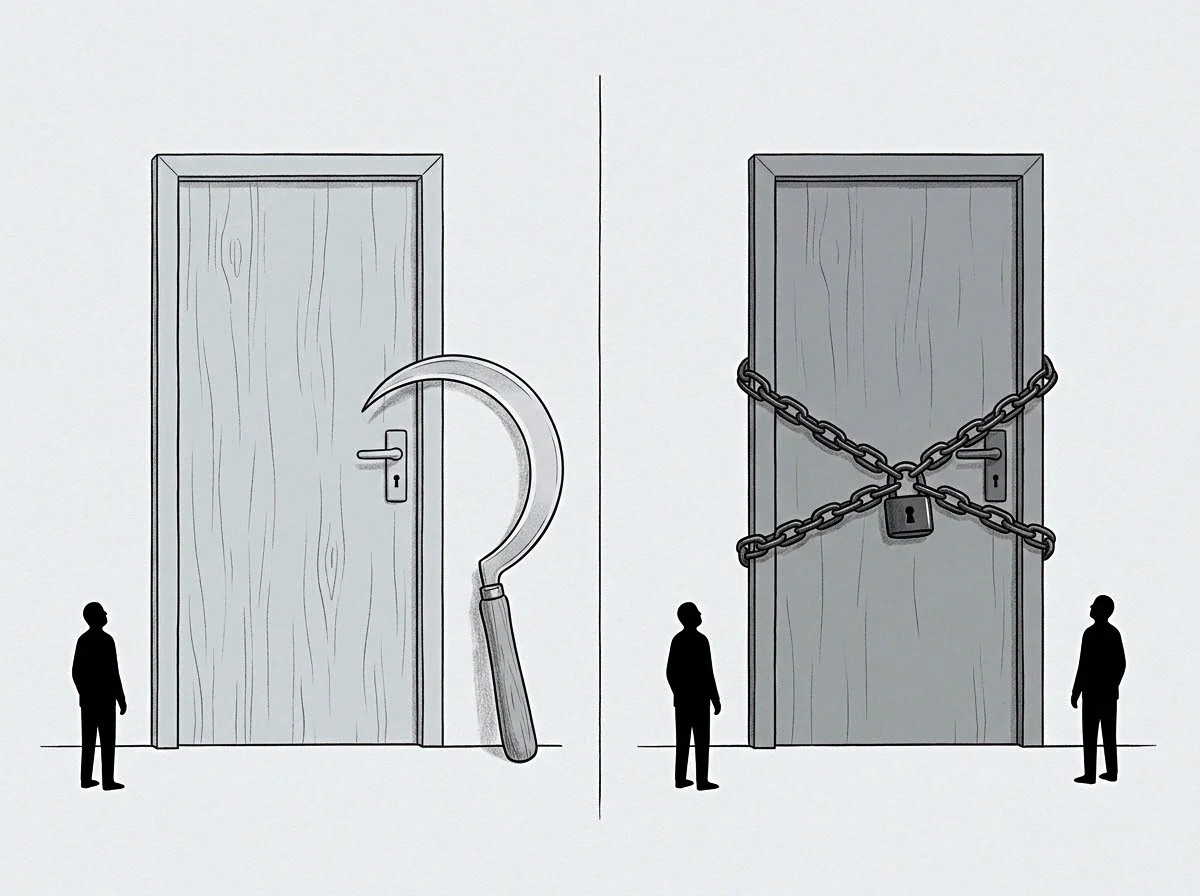
Assessing Drift in a Scaling Operations Division
Governance drift surfaces during month six in the facility expansion program. The seated executive reallocates two million dollars from facility automation into regional sales hiring without formal advisory board signoff, exploiting a ambiguity in the transition agreement regarding operational capital versus strategic expansion capital. The founder discovers the shift during a quarterly review, triggering an immediate governance dispute regarding executive authority limits.
Capital delegation defines executive authority. The board conducts a structural audit to evaluate operational friction and governance drift across all three facilities. Quantitative findings reveal that decision latency has increased by forty percent across middle management, while strategic project execution has drifted twelve percent from the board-approved five-year plan.

Quantifying Friction and Authority Realignment
The board implements a calibrated scaffold adjustment to resolve authority overlap. First, the dual-signoff threshold rises from one hundred thousand dollars to two hundred fifty thousand dollars, granting the executive immediate autonomy over routine fleet upgrades and personnel hiring. Second, the weekly advisory board converts to a bi-weekly strategic consultation session with no formal veto power over budgeted operating expenses.
Third, the firm establishes explicit operational reporting metrics that transmit weekly financial variance directly to the board audit committee. This operational change eliminates informal reporting channels between unit managers and the former founder. Within sixty days of implementing the modified protocol, decision latency drops by thirty-two percent and regional sales expansion aligns with board capital guidelines.
Line operators default to informal escalation channels whenever formal governance rails are dismantled without explicit delegation rules.
Organizational stability requires transparent boundaries during governance transitions. The case demonstrates that structural friction decreases when authority boundaries are codified explicitly rather than negotiated informally. The operational delays stem from a lack of clarity on whether line-item approvals still require founder concurrence.

Strut
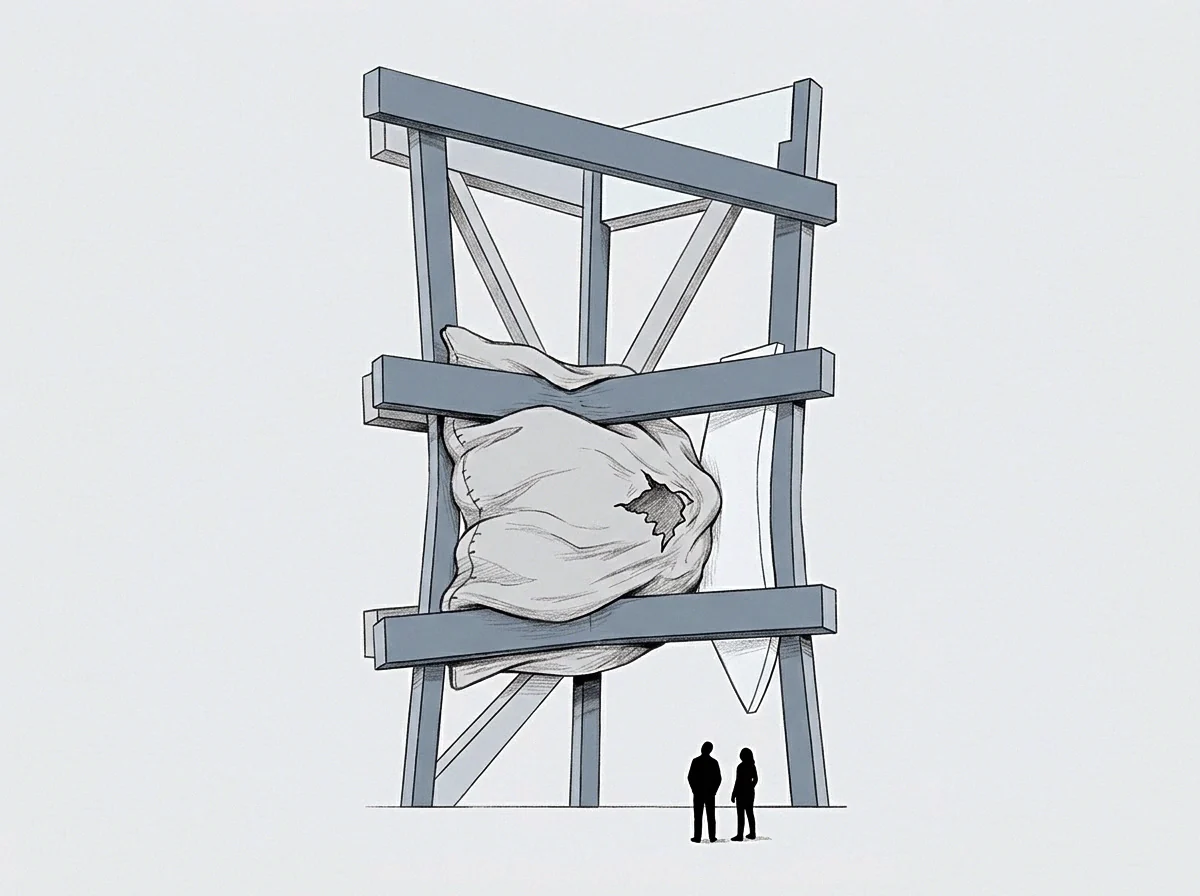
Permanent governance interfaces must replace temporary scaffolding to secure long-term enterprise control. The final transition phase shifts institutional oversight from close operational monitoring to formal board-level governance. Reaching this steady state requires robust reporting infrastructure that provides board visibility without interfering with executive execution.
Structural alignment relies on well-defined board committees, unambiguous delegation matrices, and rigorous audit mechanisms. Replacing informal steering rails with formal corporate governance prevents the re-emergence of dual-authority structures. Executive accountability shifts entirely to board performance evaluations tied to clear strategic metrics.
Permanent Control Rails and Board Oversight
Board committees establish permanent oversight boundaries for executive decision-making. Compensation, audit, and governance committees provide systemic balance without intruding on daily operations. The structure protects shareholder interests while preserving executive operational speed across functional areas.
Defined delegation matrices protect operational velocity while maintaining board authority over major capital shifts. Clear policies specify exact monetary thresholds requiring board approval, isolating routine management from board intervention. The executive operates within explicit, pre-approved parameters that support rapid operational response.

Stabilizing Post Transition Operational Rhythms
Operational stability requires consistent administrative rhythms across senior management. Regular board meetings, quarterly performance reviews, and annual strategic planning cycles form the permanent pulse of enterprise governance. These predictable checkpoints eliminate the need for ad hoc steering interventions.
Senior teams develop operational rhythm when executive authority is secure and unambiguous. Department leads report exclusively through formal executive channels, eliminating residual split-loyalty patterns. The organization achieves operational clarity as decision-making authority sits firmly within the designated executive seats.
Whether post-transition governance structures can maintain strategic alignment when market volatility demands rapid operational re-configuration remains an open question for boards.