
Measuring Capacity Loss In Founder Successions
Capacity loss in succession reflects the drop in decision speed and informal coordination when uncodified operating routines exit with the builder.
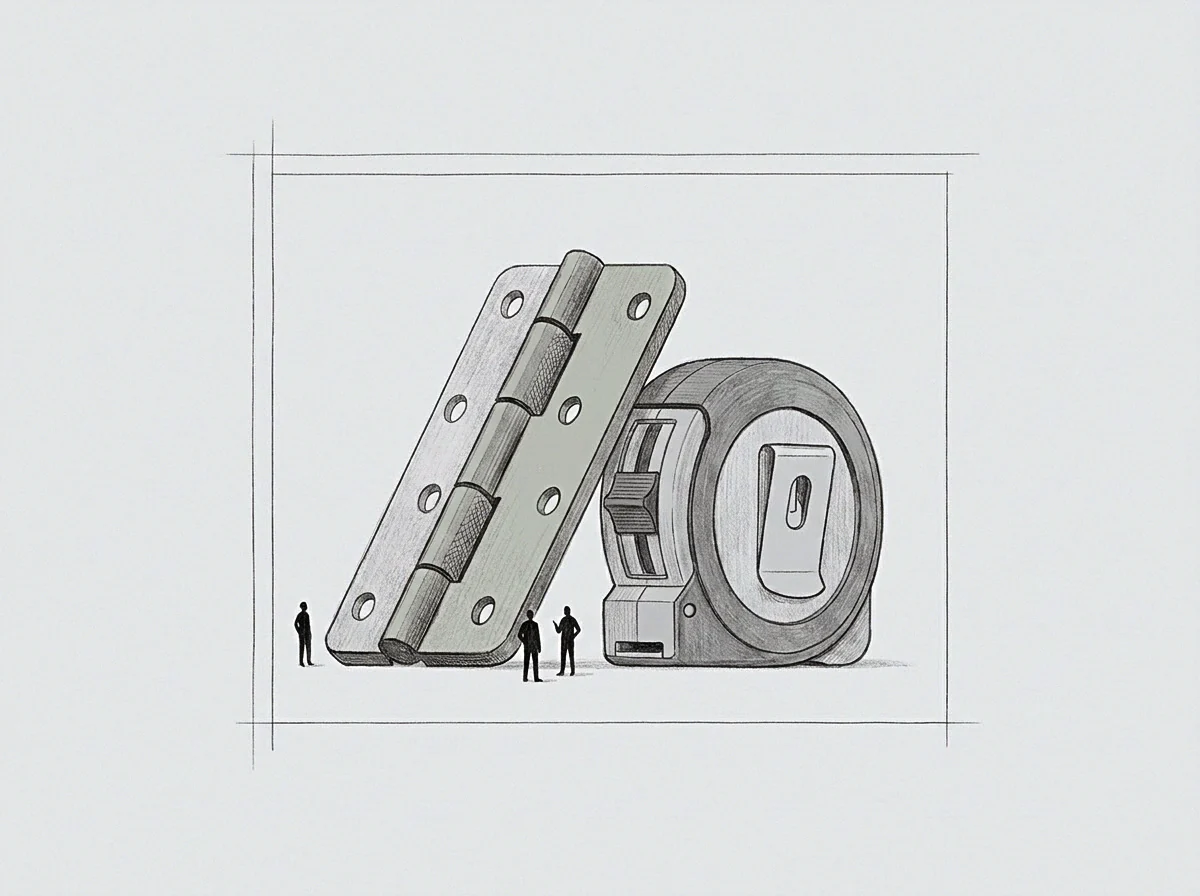
Gauge
A folder labeled operational exceptions sits untouched beside an open monitor displaying twelve pending escalations. The incoming operator reviews the tickets, cross-referencing documented processes that explain how each task ought to proceed through formal channels. Output stalls immediately.
The preceding executive resolved these deviations through unwritten historical context and informal agreements that never entered a company wiki. Measuring the resulting contraction in operational velocity requires tracking the actual volume of finished work rather than headcount stability.

Measurement of Operational Throughput
Standard reporting mechanisms often conceal the operational drop following an executive departure. Payroll remains steady, attendance registers without anomaly, and scheduled meetings occur on time. The organization nevertheless produces less gross output per operating cycle.
Capacity diminishes along three distinct operational dimensions:
- Decision throughput volume measures the sheer count of non-standard operational variances resolved per working day, which regularly declines by half during early succession phases.
- Cross-functional coordination velocity tracks the business hours elapsed between inter-departmental requests and their execution, exposing friction once masked by direct personal interventions.
- Exception handling latency gauges the temporal expansion required to resolve operational deviations that fall outside formal process documentation.
Context vanishes with the person.
Documentation captures the sequence of an action while the speed of execution stays inside the nervous system of the person who built it.
Field research within organizational role transition models establishes that uncodified routines account for substantial operational efficiency in owner-led entities. These findings rest upon longitudinal observations in manufacturing and professional service firms with fewer than two hundred staff members. If automated software systems completely replace human discretion in cross-functional task allocation, the observed decline in decision volume would contract significantly.
Until such automation exists, executive departure strips out informal operational shortcuts. A team that logs hours rather than closed decisions conceals operational friction behind apparent activity.

Desk
Incoming correspondence accumulates in physical and digital trays without clear distribution. A replacement sits in the physical seat, yet the operational apparatus stumbles over daily approvals. The predecessor operated as a centralized routing switchboard, holding unwritten rules regarding customer exceptions, supplier payment grace periods, and employee latitude.
When those unwritten rules depart, the seat loses its transmission mechanism.
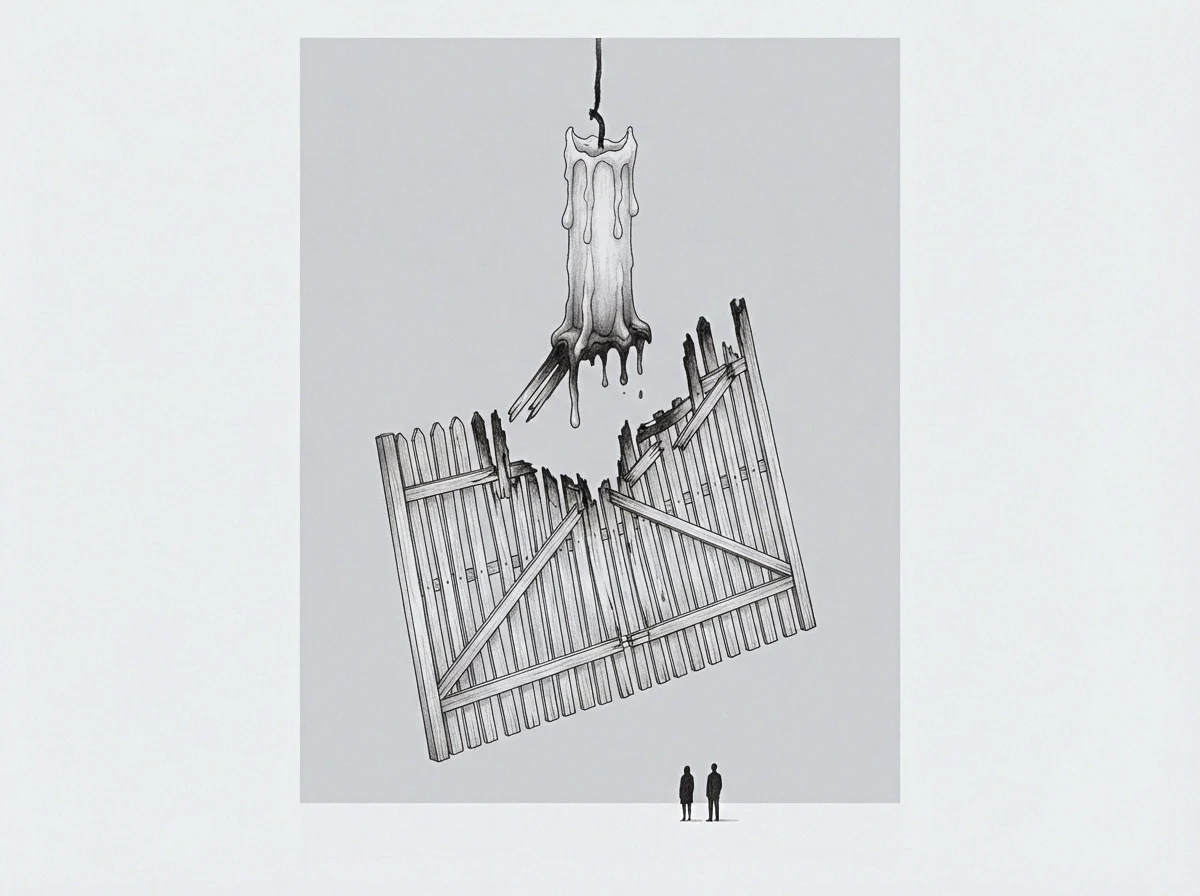
Tacit Task Evaporation
Written handovers routinely fail because they document static inventory rather than dynamic exception handling. The folder contains account names, credentials, software URLs, and high-level strategy notes. It lacks the uncodified criteria applied when a premier customer demands custom payment terms or a freight partner misses a port departure.
The successor absorbs the friction.
An unanswered escalation sitting in an inbox for forty-eight hours reveals where an informal arbiter used to make decisions without a record.
Informal agreements lose binding force. Staff members who previously relied on verbal assent begin filing extensive written rationales before executing routine purchases. The sudden administrative burden diverts labor hours from revenue production to internal defense.
Decision volume contracts across every supervisory tier.

Worked Case of Output Contraction
Assume an owner-operator business generating twelve million dollars in gross revenue with forty operational staff. The founder historically spent twenty-five hours weekly resolving operational bottlenecks across inventory, client retention, and billing discrepancies. A structured succession replaces the founder with a capable general manager holding an equity incentive.
During the opening ninety days, the following operational contractions occur under direct observation:
The founder resolved sixty unwritten operational exceptions weekly, averaging twenty-five minutes per case. The successor requires seventy-five minutes per case due to missing historical precedent, expanding weekly exception-handling demand from twenty-five hours to seventy-five hours. Because a single executive working week cannot absorb seventy-five hours of operational troubleshooting alongside governance duties, thirty-five exceptions roll over into the subsequent week.
Customer churn increases by four percent during the quarter as delivery exceptions linger without resolution. Backlogs accumulate in every department.
Output drops within thirty days. In mechanical workshops, an engine builder can listen to an irregular cylinder stroke and correct the timing by ear before measuring tolerances. The apprentice requires pressure gauges, diagnostic computers, and three hours of disassembly to locate the identical fault.
The organizational seat operates under the identical dynamic. The operating instructions explain what buttons to press, yet nobody documented who decides what to do when the supplier breaks the terms.

Latency
Decisions stall in review. Operational latency represents the delay between the emergence of an organizational variance and the implementation of a binding resolution. When the founder occupied the executive station, approval loops bypassed formal organizational hierarchies.
The authority to commit company capital and bend internal guidelines rested in one nervous system. That concentration creates severe vulnerabilities upon transfer.
When operational authority transfers without informal relational equity, decision latency expands across every cross-functional dependency.
Authority does not transfer cleanly. The incoming executive faces relational skepticism from tenured department heads who remember previous commitments made verbally by the company creator. Every approval takes longer.

Decisional Queue Expansion
Unresolved operational tickets generate queue expansion within middle management. Department directors hesitate to act without explicit authorization, while the incoming executive hesitates to commit without complete documentation. Coordination loads multiply across teams.
The resulting pause slows production cycles, vendor lead times, and client delivery schedules.

Throughput Comparison Across Successor Modalities
The magnitude of capacity loss varies significantly based on the operating profile of the successor selected to occupy the seat. The comparison below isolates three common succession profiles operating within a standard eighty-person enterprise across twelve months of operational transition.
| Successor Operating Profile | Decision Latency Multiplier | Informal Authority Transfer Rate | Observed Output Retention at Month Six |
|---|---|---|---|
| Promoted Internal Functional Deputy | 1.8x Baseline | Moderate Relational Equity | 78 Percent of Baseline |
| External Industry Veteran | 3.4x Baseline | Low Relational Equity | 54 Percent of Baseline |
| Interim Non-Executive Chair | 4.6x Baseline | Negligible Operational Engagement | 41 Percent of Baseline |
The seat empties quickly. The data in comparative organizational succession suggests that internal deputies preserve higher throughput volumes during early phases, though long-term strategic reorientation may stall. This observation rests upon empirical sampling in mid-market distribution and logistics operations.
A shift in corporate legal governance or aggressive product restructuring would destabilize these observed retention metrics. Whether an incoming executive can ever rebuild informal cross-departmental shortcuts without spending months in direct operational conflict remains an unsettled question in organizational transitions.
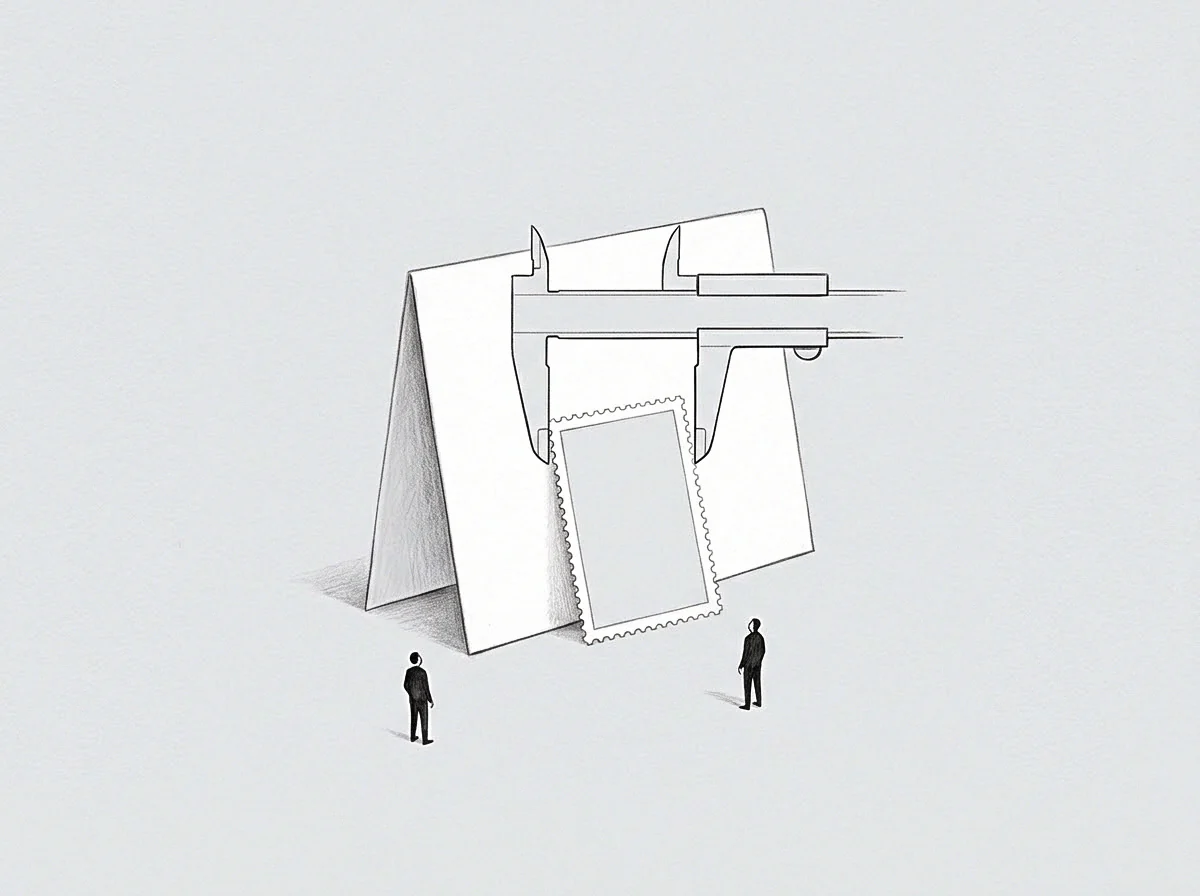
Rift
Friction compounds week after week. The structural divide between formal administrative authority and real operational execution widens when an owner vacates the chief seat. The formal corporate title conveys legal signing capacity, access to banking facilities, and hiring governance.
It confers zero informal relational authority over legacy line staff. The incoming leader issues a direct operational mandate, yet legacy personnel quietly wait for informal validation through external channels.
Silence replaces decisive direction. When the founder remains on the corporate board or retains majority ownership, staff members maintain an invisible reporting line to the previous executive. The successor finds their operational directives evaluated against unstated historical norms rather than executed directly.
The tacit reservation of veto power leaves the successor holding operational accountability without the authority to reallocate capital.
Informal shortcuts disappear overnight. The desk cannot fully defend whether retaining the departed leader on an active advisory retainer creates more execution drag than an abrupt severance of all contact. In situations marked by extreme process opacity, leaders routinely maintain the retainer purely to answer operational emergencies, accepting the associated coordination friction as an unavoidable tax on enterprise continuity.
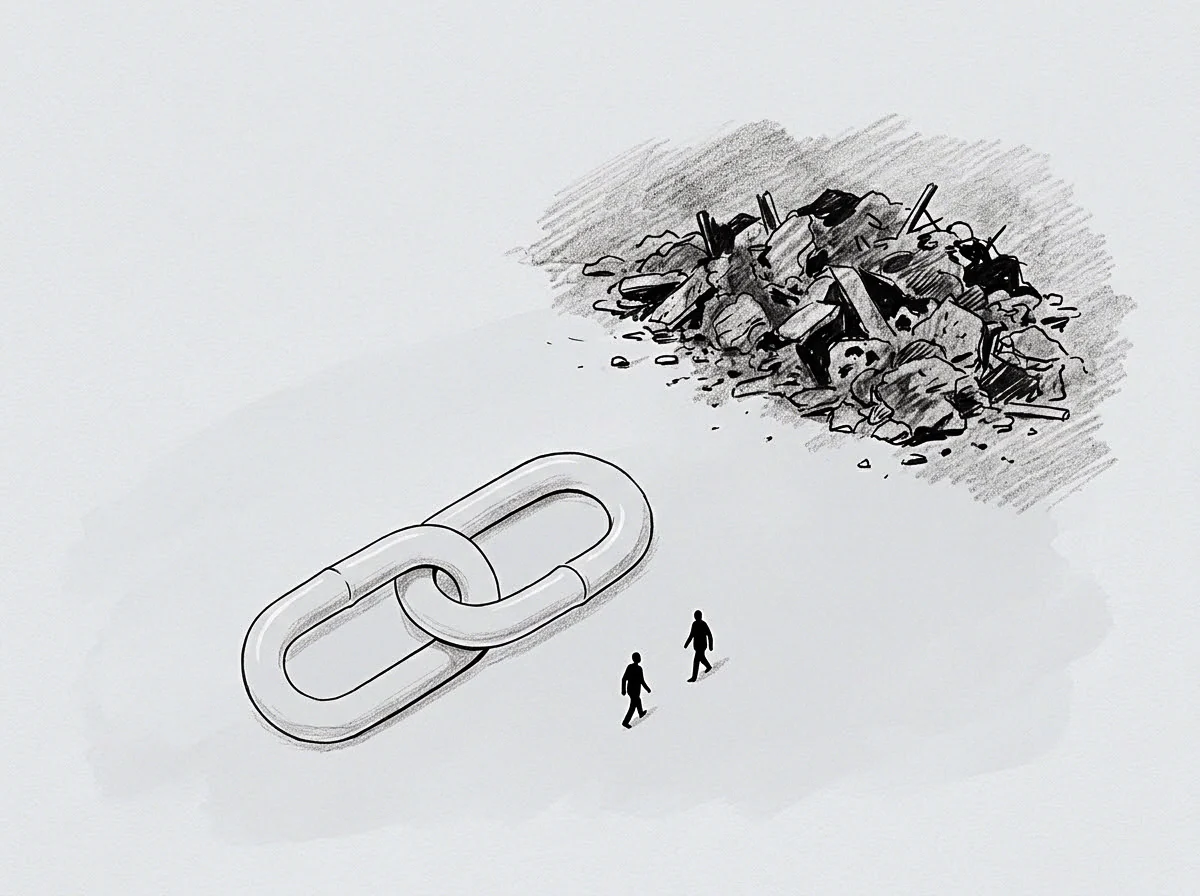
Informal Authority Asymmetry
The successor must navigate a distinct sequence of operational impediments that emerge when formal titles outpace informal operational influence:
- Line-level validation delays surface as team leaders cross-examine new directives against historical company methods before assigning labor resources.
- Vendor renegotiation friction emerges when external suppliers withdraw unwritten credit terms previously extended solely on personal trust with the enterprise founder.
- Informal escalation circumvention happens when legacy managers route operational grievances around the new executive to the non-executive board.
Vendors demand revised contract terms. The original speed never returns during this intermediary period. A mandatory six-month governance freeze on capital reallocations preserves cash reserves while preventing the incoming operator from restructuring failing product lines.

Mark
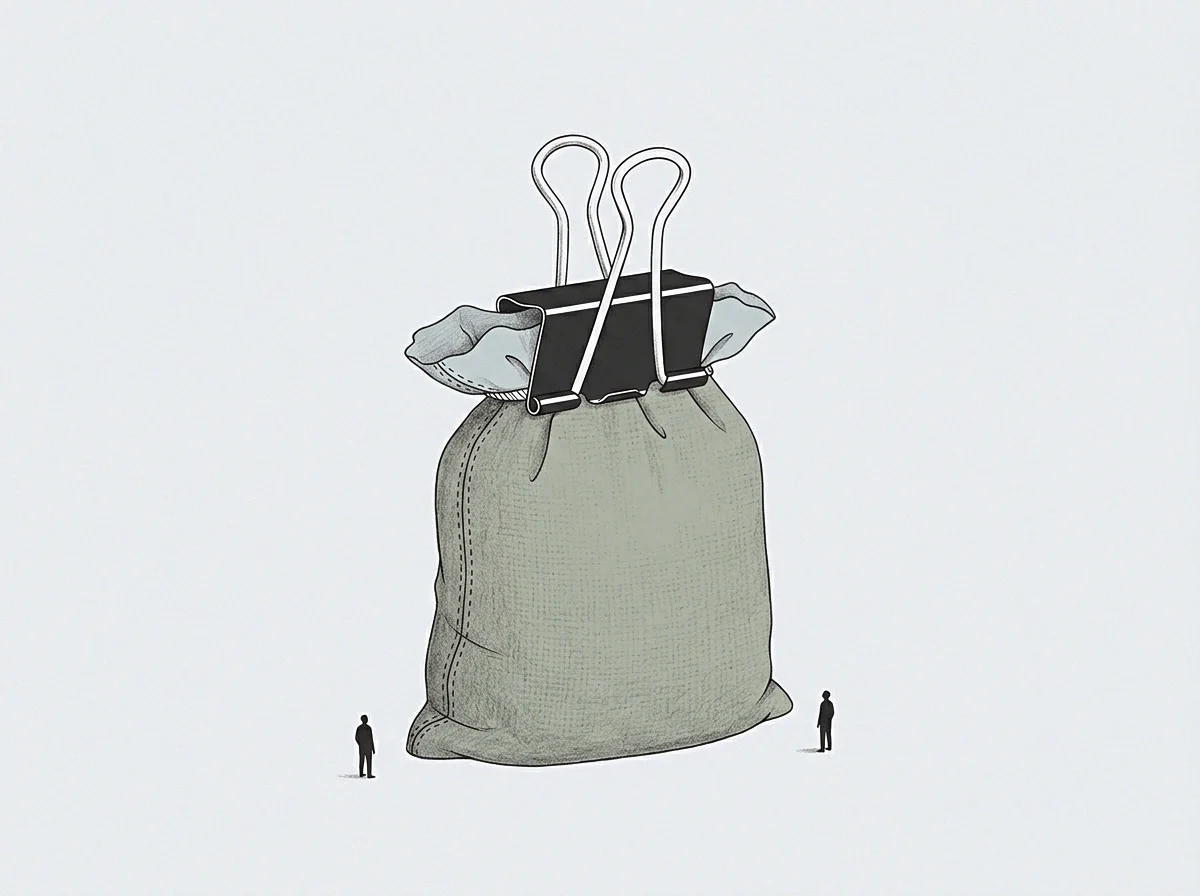
Calibrating real enterprise capacity after a founder exit requires establishing a new baseline of operational volume. Treating post-succession output drops as temporary individual failures misdiagnoses the structural reality. The enterprise has lost uncodified routing capacity, relational leverage, and instantaneous decision arbitration.
The company that survives the transition is structurally smaller in execution throughput than the entity operated by its builder, even if revenue metrics temporarily hold steady.
Post Transition Capacity Equilibrium
Stabilization begins only when leadership resets performance baselines to match what documented systems can genuinely support. If the predecessor handled twenty accounts through personal relationships, the business must either automate account servicing or accept a permanent contraction to fourteen accounts per account manager. Building new capacity requires trading informal executive speed for formal operational resilience.
The new leader writes policies, introduces validation layers, and establishes predictable approval paths. Each formal layer adds measurable processing time, converting personal agility into institutional durability.
The organization pays for its missing documentation through diminished throughput margins during the stabilization cycle. The loss of operational speed represents the direct price of extracting unwritten methods from an individual mind and constructing visible organizational machinery in its place. Failure to calibrate the baseline drop in throughput burns through working capital while executive attention dissolves into continuous firefighting.