
Tacit Knowledge Retention Sequence During Sudden Operational Executive Transition
Sudden operational executive transitions require live decision interrogation and forensic artifact auditing to extract undocumented diagnostic heuristics.
Jolt
Immediate Severance of Operational Reflexes
An executive leaves a facility on a Tuesday night, surrender of credentials completed by six, and by Wednesday morning the physical line slows by eighteen percent. Nothing in the automated dispatch queue failed. The enterprise resource software continues pushing standard tickets down the pipeline.
The disruption stems from the unrecorded interventions the departing officer applied to vendor allocations, line speed compensations, and floor reassignments between eight and ten each morning. Those adjustments lived entirely in working memory, tuned by seven years of observing motor vibration and supplier reliability patterns.
The calendars go blank.
Standard documentation records the nominal baseline of operational procedures, while the actual operating margin is preserved through tacit compensations for known machine tolerances, seasonal workforce variances, and supplier payment idiosyncrasies. When an executive seat vacates without warning, the organization loses the cognitive translation layer that bridges rigid database inputs and fluid factory reality. The successor inherits raw metrics without the corrective weighting factors the departing officer accumulated through trial and historical failure.
A sudden vacancy exposes the informal agreements that kept the weekly delivery schedule intact.
The operational deficit deepens when adjacent departments continue submitting requests under the assumption that historical exception processing remains active. Production heads adjust shift schedules based on private verbal agreements made two quarters prior. Maintenance leads delay component overhauls relying on unspoken tolerances approved off the record.
The machinery of the enterprise grinds against its documented limits because nobody remains to supply the real-time dispensations that kept the workflow moving.
Unrecorded Interventions and System Drift
Operational drift accelerates across the initial seventy-two hours following an unplanned exit. Left without the officer whose tacit awareness governed priority trade-offs, line managers interpret procedural ambiguities according to their local incentives. Maintenance teams prioritize ease of repair over output quotas.
Dispatch clerks release shipments strictly by booking timestamp rather than unbilled customer strategic value. The unwritten rules vanish.
Workarounds multiply quickly.
Attempts to arrest this variance through hasty policy mandates produce administrative congestion. Staff members confronted with unprecedented operational choices freeze pending formal sign-off, or they deploy defensive interpretations of legacy manuals that choke throughput. The cost of a sudden executive extraction emerges not from missing administrative labor, but from the sudden, silent evaporation of the thousands of micro-decisions that kept formal systems aligned with physical realities.
Seat
Artifacts and Unwritten Exceptions
Physical spaces occupied by operational executives contain an archaeological record of their unspoken routines. Whiteboards carry fragmented scheduling matrices that correspond to no official reporting tool. Drawers hold supplier directories with hand-annotated payment cycles and personal mobile numbers of regional depot managers.
These artifacts indicate where enterprise software proved too rigid for real-time problem resolution.
The accounts remain active.
A successor attempting to operate the station encounters immediate friction when confronting undocumented operational exceptions. Standard invoices arrive carrying unauthorized volume discounts that were negotiated verbally on the condition of off-cycle settlements. Core logistics providers refuse standard contract terms, citing historical courtesies granted by the former officer during seasonal volume spikes.
The successor discovers that the functional boundary of the role extended far beyond its written charter.
An unrecorded vendor discount protocol lapses into standard rate billing within thirty days of executive departure.

Informal Routing and Process Bypasses
Every long-tenured operational lead builds a parallel administrative system to circumvent organizational bottlenecks. These pathways rely on earned social capital and reciprocal favors that remain invisible to corporate governance until the central actor disappears.
- Shadow Escalation Nodes represent private communication channels used to bypass formal ticketing queues during critical supply disruptions, depending entirely on personal relationships built across years.
- Discretionary Tolerance Bands allow technicians to run machinery beyond documented safety margins based on the departed officer’s personal evaluation of wear patterns.
- Informal Buffer Inventories remain hidden from official ledger balances to provide insurance against known vendor failure rates that procurement data fails to capture.
- Custom Prioritization Heuristics balance client order sequencing against unspoken strategic promises rather than posted revenue value.
When external partners realize the person who held these informal arrangements is gone, they reset commercial relationships to baseline contractual terms. Vendors notice the silence. The firm experiences an immediate deterioration in service levels and payment flexibility, accompanied by the refusal of counterparties to extend informal courtesies to an unproven successor.
The terms on paper suddenly become the rules in practice, and the organization discovers the arrangement was subsidized by goodwill that stayed with the person who walked out.
Trace
Which Operational Heuristics Evaporate First?
Heuristics governing live triage disappear the moment an operational leader departs. When five concurrent mechanical faults occur on a processing line, formal procedures dictate sequential processing according to maintenance schedule timestamps. The departed officer selected which fault to isolate first based on auditory signatures, ambient humidity, and component age.
Direct instruction fails here.
The phone calls stop.
Cognitive retention efforts initiated after an abrupt departure must prioritize implicit diagnostic rules over administrative procedures. Manuals and org charts can be reconstructed by any competent administrative auditor over ninety days. The diagnostic reflex that identifies which supplier shipments conceal defective material before inspection cannot be reconstructed from paperwork alone.
Tacit knowledge of this category resides in episodic memory structures tied to specific operational crises.
When an incoming operator questions live process decisions during execution, unstated selection heuristics convert into defensible working rules.
Schedules slip without warning.
Eliciting these buried heuristics demands focused diagnostic interrogation rather than requests for written summaries. Asking an operational lead what they do yields generic administrative generalities. Presenting them with concrete, historical anomalies forces the retrieval of unstated rules of thumb, conditional tolerances, and intuitive threshold triggers.
The retention sequence must systematically extract the edge cases the officer handled through intuition.
Retrospective Probe Protocols
A rigorous elicitation sequence isolates operational rules through structured retrospective questioning focused on recent critical events.
- Incident Chronology Reconstruction establishes an objective minute-by-minute timeline of a recent high-stakes operational failure, stripping away executive rationalizations to reveal actual decision points.
- Cue Extraction Analysis forces the departing or transitional officer to name the physical indicators, odd sounds, abnormal ledger values, or personnel postures that prompted intervention before official metric alarms sounded.
- Counterfactual Stress Testing alters baseline assumptions of the historical event to identify the unstated boundaries where the officer would have reversed their decision.
- Heuristic Formalization codifies the underlying choice structure into explicit conditional rules that a successor can execute under operational strain.
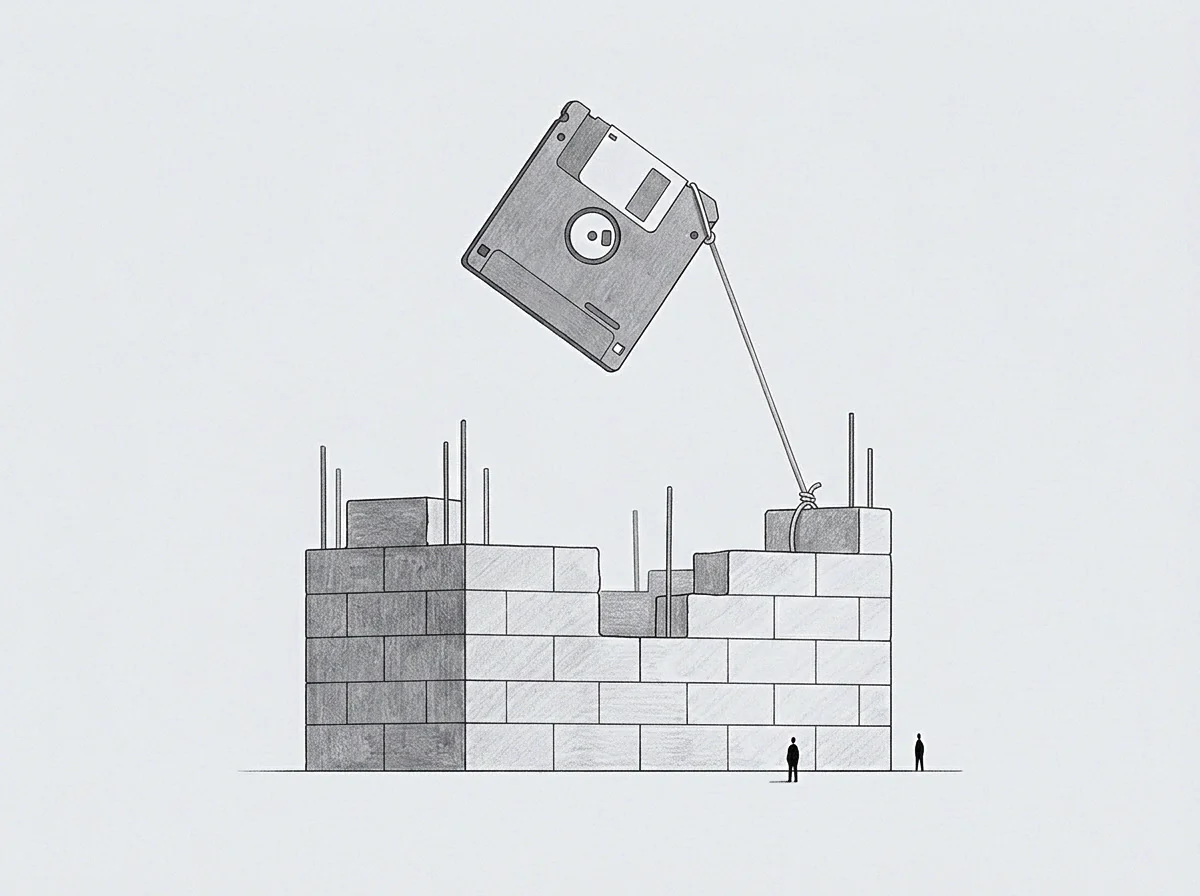
Tacit operational competence transfers only when the learner acts inside the operational context while the expert still stands close enough to name the reasons for their hesitation.
Sieve

Comparative Capture Mechanics
Transition structures differ sharply in their capacity to arrest the loss of intuitive operational judgment during rapid handovers. Selecting an extraction protocol requires balancing the remaining availability of the outgoing executive against the immediate operational risks confronting the firm.
| Capture Method | Outgoing Seat Demands | Extraction Yield | Retention Mechanism | Primary Vulnerability |
|---|---|---|---|---|
| Structured Retrospective Interviewing | Low Time Commitment | Explicit Logic and Cues | Cognitive Task Analysis | Omission of Unconscious Motor Habits |
| Reverse Shadowing and Interruption | High Operational Presence | Live Intuitive Heuristics | Real-time Justification Dialogue | Successor Cognitive Saturation |
| Paired Anomaly Remediation | Targeted Crisis Availability | Diagnostic Heuristics | Joint Fault Resolution | Limited Incident Variety During Window |
| Artifact Deconstruction Audit | Zero Outgoing Contact | Procedural Workarounds | Forensic Administrative Review | Complete Loss of Unrecorded Reasoning |
Artifact deconstruction offers a forensic alternative when an executive departs under contentious terms or sudden incapacitation. Analysts examine email patterns, customized spreadsheet macros, unfiled notes, and timestamp anomalies to deduce the unwritten logic that governed daily operations. The documentation stopped early.
Forensic reconstruction maps the workflow paths, yet it leaves the rationale behind those pathways entirely obscured.
Cognitive Apprenticeship Under Compaction
Reverse shadowing compresses knowledge transfer into live execution cycles when a minimal transitional window exists. The incoming operator takes physical control of the terminal, the radio, and the authorization queue, while the outgoing officer sits immediately behind them. Direct control forces the successor to confront ambiguity in real time.
Silence conceals broken links.
The successor inherits friction.
Under this arrangement, every instance of hesitation becomes a transfer event. When the incoming operator pauses before releasing a contested batch, the outgoing lead must vocalize the precise parameters that would resolve the doubt. The transfer moves from theoretical lecturing to immediate corrective feedback.
This interaction reveals the hidden thresholds the experienced officer never thought to document because they felt like common sense.
The transitional services agreement secures five operational days of paired live execution, altering the successor’s baseline diagnostic accuracy from speculative trial to calibrated operational instinct.

Taper
Scaffold Dissolution Schedules
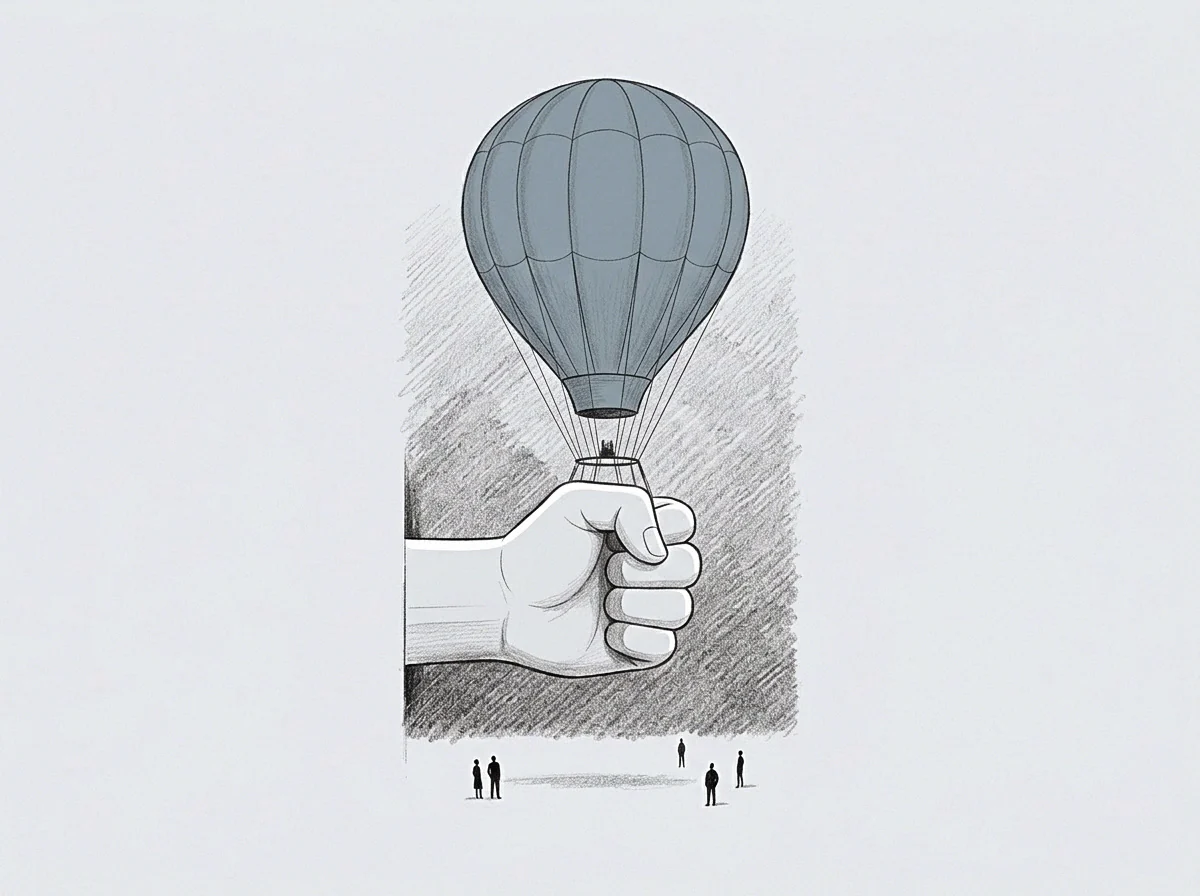
Support structures built to assist a new operational executive must be disassembled in planned stages to prevent institutional dependency. An incoming operator supported by perpetual advisory access rarely develops the autonomous diagnostic reflexes required for high-velocity environments. Advisory lines must contract according to a published, non-negotiable timetable.
Exceptions break unwritten models.
In the initial phase, the departing executive or retained advisor holds secondary review rights over high-value commitments and process exceptions. During the second phase, access reduces to asynchronous reviews of decisions already executed by the successor. The final phase severs operational contact entirely, restricting interaction to quarterly corporate governance disclosures.
Every week of extended operational consultation delays the successor’s internal mastery of system dynamics.
The speed of scaffold removal determines whether institutional memory stabilizes or collapses under operational stress.

The Unmovable Operational Engine
Certain operational capacities permanently resist codification and transfer. Sensory evaluation of production rhythms, personal intuitive trust extended to long-term associates, and the psychological stamina required to manage multi-million-dollar inventory risks under extreme time compression remain tied to the individual actor. The organization cannot extract these elements through interview protocols or shadowing sequences.
Heuristics resist standard prose.
Every seat carries residue.
Attempts to fully bottle an executive’s intuitive operational style result in rigid, bureaucratic simulations that choke adaptation. The objective of an operational knowledge retention sequence is not the cloning of the predecessor, but the stabilization of core process boundaries so the successor can forge their own heuristic models without crashing the enterprise during the transition period.
Whether an organization can ever distinguish between operational heuristics that are genuinely transferable and those that exist solely as personal idiosyncratic genius remains unresolved when the seat shifts under fire.