
Arbitrating Commercial Revenue Pressure Against Long Term Technical Debt In Founder Run Engineering Structures
Arbitration separates commercial sales commitments from engineering system capacity through explicit trade-off budgets.

Lever
Commercial software organizations often conflate immediate revenue acquisition with long-term platform viability. A commercial contract signed with custom delivery promises differs fundamentally from an engineering commitment to build scalable infrastructure. In founder-run engineering structures, these two distinct obligations concentrate within a single person who acts as chief salesperson and lead system architect.
The commercial seat demands revenue. The technician seat demands stability. When a prospective customer requests a bespoke feature to close an enterprise deal, the founder wearing both seats experiences the conflict directly within a single decision cycle.

Commercial Urgency versus Architectural Integrity
A sales conversation promises bespoke functionality to close a contract. The immediate cash injection meets payroll obligations, satisfies investor expectations, and validates market demand. Direct commercial revenue pressure operates with high visibility and concrete financial feedback.
Architectural integrity operates with lower visibility, producing technical debt that remains hidden inside the codebase for quarters before causing system failure.
A technical trade-off made under commercial pressure exchanges immediate revenue for long-term operational overhead.
Dual roles create structural friction. The founder as technician understands that bypassing data normalization or hardcoding tenant parameters saves three weeks of development time. The founder as commercial operator recognizes that shaving three weeks off the delivery schedule secures the client signature.
Tacit decisions hide true liabilities. When commercial urgency wins consistently, technical debt transitions from an intentional, temporary financial tool into an unmanaged operational liability.
Unchecked revenue promises force core engineering systems into permanent operational paralysis.

Rot
Software systems degrade when immediate deal commitments bypass core design patterns. In founder-run environments, governance controls are routinely waived because the individual authorizing the commercial exception also supervises software deployment. Deficit accumulation accelerates platform failure.
Short-term code shortcuts accumulate, compounding internal complexity and increasing future development friction.
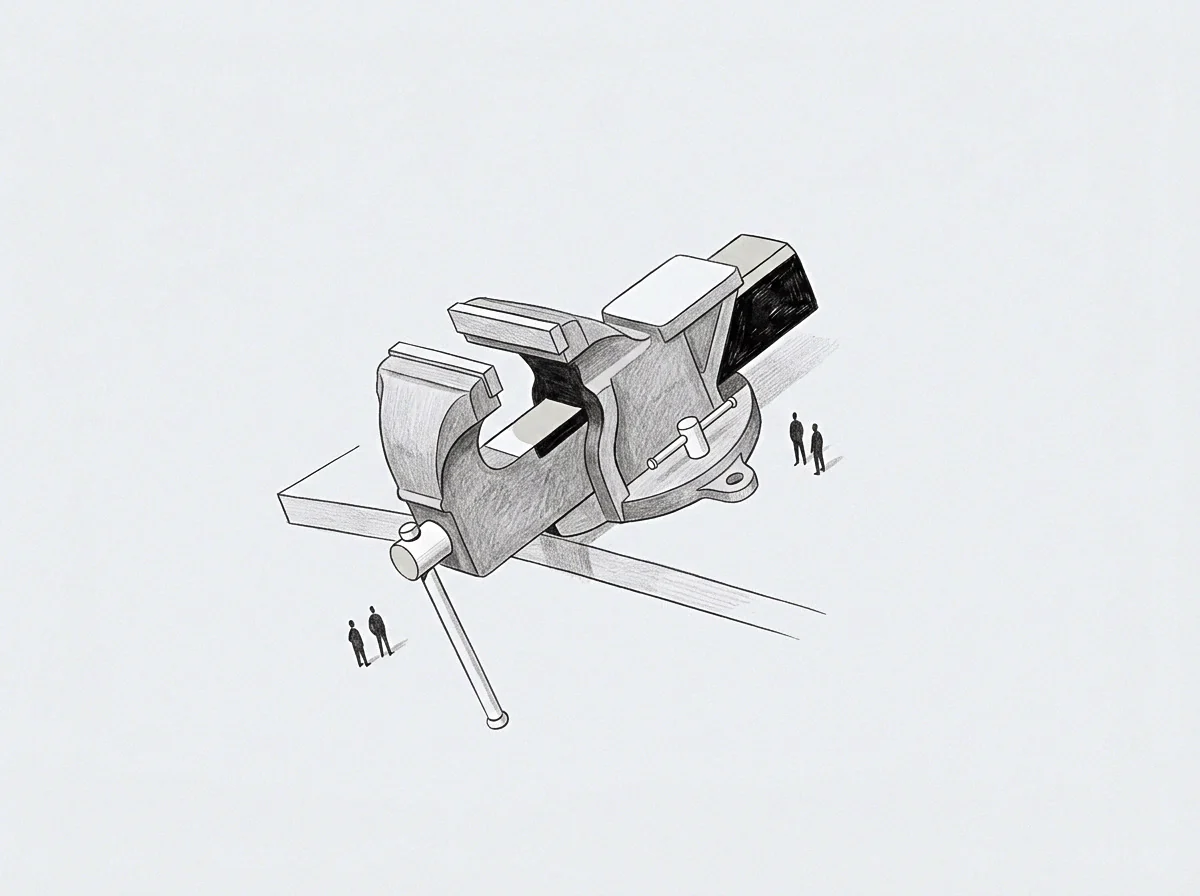
Accumulation Rates under Dual Seat Pressure
When one person authorizes commercial terms and writes the underlying code, protective operational friction vanishes. Standard engineering governance relies on structural tension between commercial management and technical engineering teams. Management advocates for speed and client acquisition.
Engineering advocates for code maintainability and test coverage. In a founder-dominated structure, this natural institutional check disappears.
- Feature Bypass occurs when custom logic is injected directly into core platform controllers to satisfy a specific enterprise deal deadline.
- Schema Drift emerges when client-specific database tables proliferate outside the central data model to accelerate deployment.
- Automated Test Atrophy develops as tight delivery windows force engineers to skip integration test suite expansion.
- Documentation Deficit expands when system architecture changes remain stored as tacit knowledge within the founder’s head.
Debt accumulates rapidly. Code quality drops. The founder who approves a custom integration to secure cash flow must later spend personal nights refactoring broken API endpoints.
The physical capacity of the founder acts as the sole buffer protecting the platform. As client volume scales, that personal capacity breaks under continuous operational strain.
Shortened development schedules consistently generate unbudgeted system maintenance hours.
The client expected the custom feature to work instantly without breaking existing workflows.
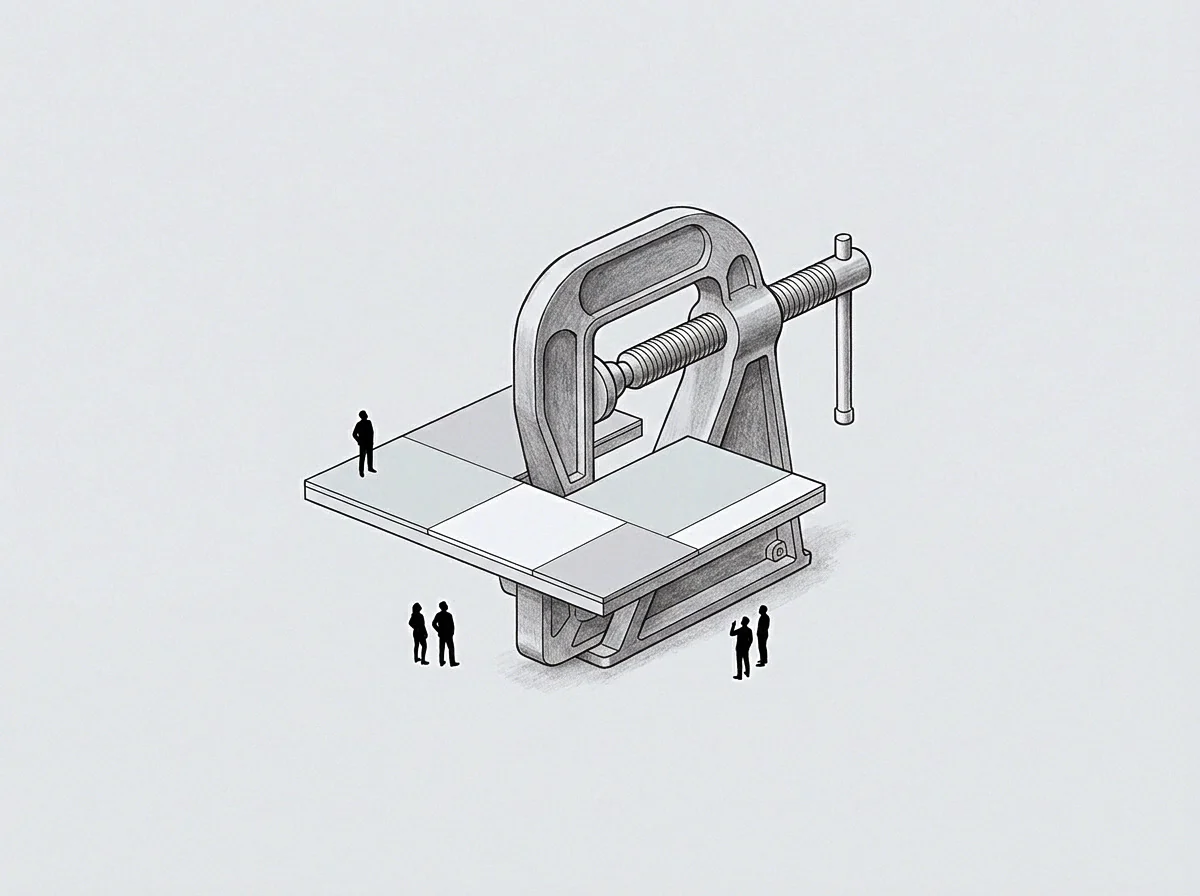
Ledger
Financial accounting tracks cash inflows while hiding structural platform liabilities. A balance sheet records the revenue from a new contract as immediate income. It records zero financial liability for the technical compromises executed to meet the contract’s delivery date.
To arbitrate commercial revenue pressure against technical debt, engineering leaders establish an operational accounting methodology that quantifies code debt alongside cash generation.

Quantifying Technical Liabilities inside Commercial Contracts
Calculating the maintenance deficit of a custom software feature isolates its true economic yield. Every bespoke customization carries an ongoing maintenance tax: additional refactoring cycles, regression testing overhead, and potential performance bottlenecks. Subtracting the estimated hours of future engineering maintenance from contract margin exposes whether an enterprise deal adds net enterprise value or structural cost.
| Pressure Mode | Commercial Trigger | Architectural Consequence | Arbitration Mechanism |
|---|---|---|---|
| Bespoke Integration | Tier-one customer demands custom data pipeline | Core application tightly coupled to external schema | Isolate custom logic into isolated microservices paid by client fee |
| Accelerated Timeline | Quarter-end revenue target forces early release | Skipped integration testing and incomplete code review | Mandate automated testing recovery sprint in subsequent quarter |
| Infrastructure Delay | Budget constraints defer database migration | Database query performance degrades under load | Cap active user concurrency until infrastructure scale is funded |
Implicit compromises extract heavy costs. When technical debt is quantified in explicit hours, arbitration shifts from emotional debate to arithmetic calculation. Sales promises alter code bases.
Founder-run organizations that track technical debt as a real balance sheet item enforce disciplined contract negotiations.
Inserting an architectural refactoring line item into enterprise sales contracts converts implicit operational debt into an explicit commercial fee.

Gate
Separating contract approval from engineering execution establishes an explicit trade-off threshold. Formalizing the boundary between the founder’s commercial role and engineering oversight creates clear rules for accepting customer-driven codebase changes. Capacity budgets enforce discipline.
Setting hard limits on custom engineering hours per quarter prevents commercial pressure from overwhelming core architecture development.

Which Operational Boundary Protects System Integrity under Deal Pressure?
An explicit engineering capacity cap prevents commercial agreements from overbooking core development teams. Establishing a trade-off threshold ensures that every revenue-driven code customization triggers an automatic evaluation process. If a proposed feature exceeds the quarterly capacity budget, commercial management must either fund dedicated engineering resources or defer existing platform roadmap items.
Contractual delivery dates must respect fixed quarterly engineering refactoring allocations.
Owner decisions bypass operational boundaries. To prevent arbitrary overrides, founder-run engineering structures adopt formal trade-off governance protocols.
- Quantify the total engineering capacity available across the upcoming delivery period.
- Reserve twenty percent of total engineering hours strictly for structural code refactoring and technical debt reduction.
- Evaluate prospective customer requests against the remaining available feature development capacity.
- Reject custom enterprise feature requests that exceed available capacity unless the client explicitly funds additional dedicated engineering headcount.
Unchecked custom features ruin scalability. By instituting explicit gatekeeping rules, engineering organizations prevent temporary revenue opportunities from creating permanent platform fragility.
Whether non-technical sales leaders can respect engineering capacity caps during enterprise contract negotiations remains unresolved.
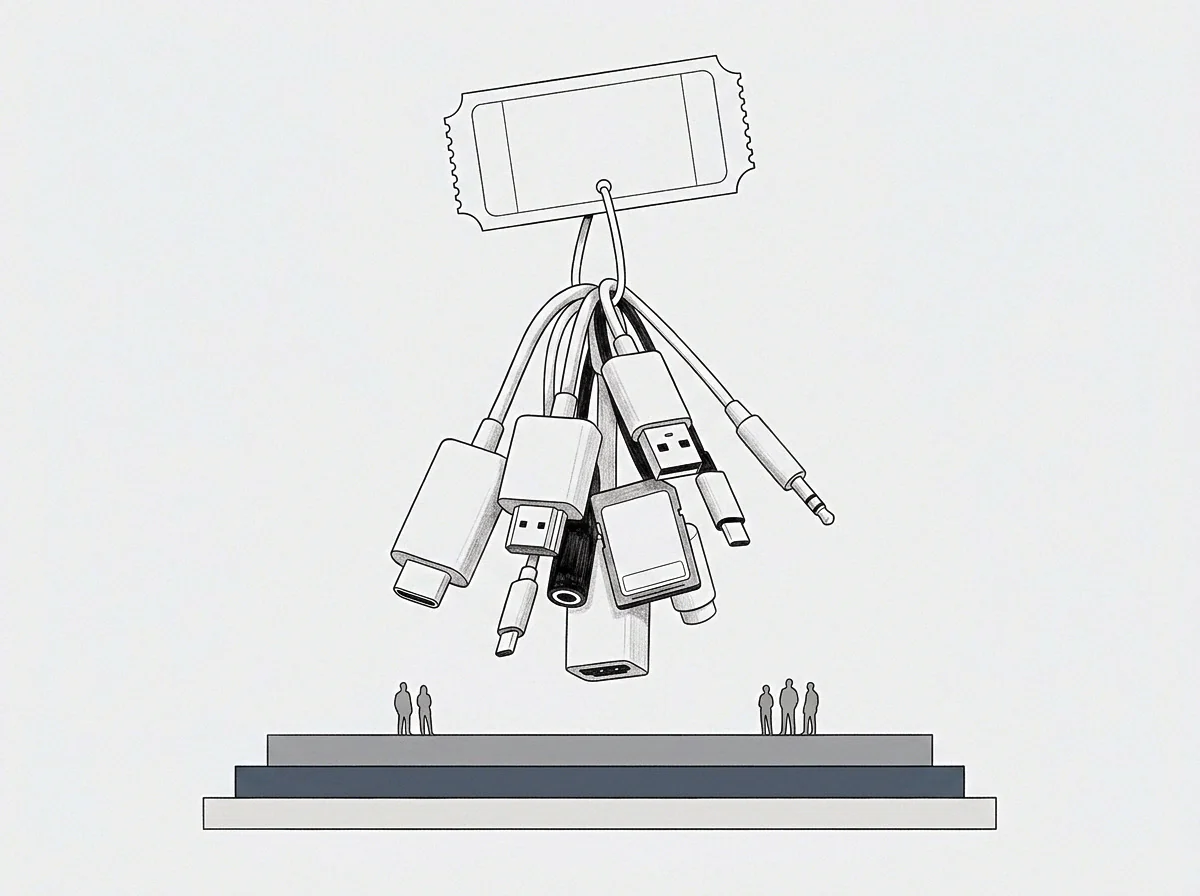
Trench
Sustained execution relies on transparent capacity budgets across quarters. Moving arbitration from informal founder decisions to explicit operational rules protects both platform architecture and engineering morale. The founder transitions from wearing every seat simultaneously to holding defined governance roles with transparent boundaries.
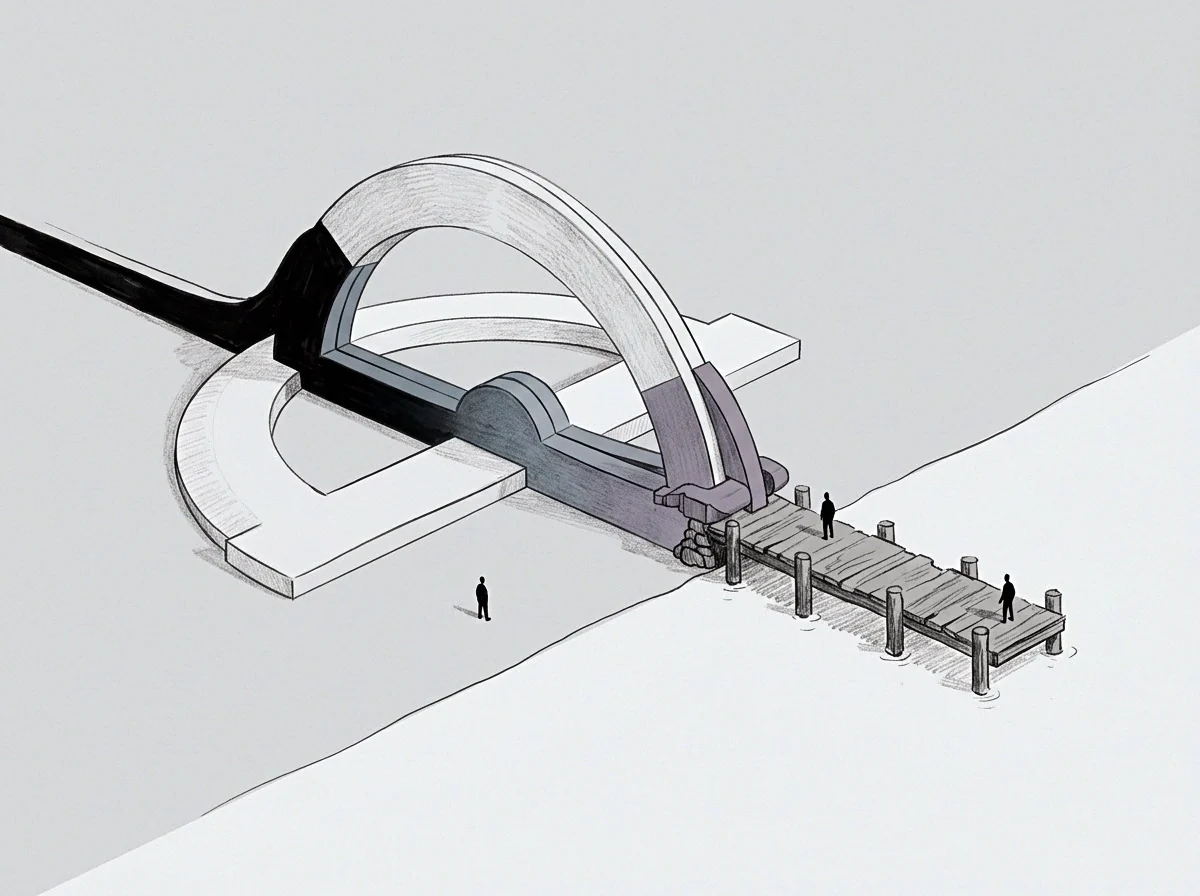
Long Term Maintenance Protocol Execution
Engineering leaders allocate dedicated sprint cycles for structural refactoring. Regular architecture reviews prevent tacit technical debt from lingering undetected. By conducting systematic codebase evaluations, engineering teams identify degrading software modules before they precipitate customer-facing outages.
Allocating fixed quarterly capacity to platform refactoring stabilizes long-term software velocity.
Tacit knowledge transforms into documented operational architecture. Engineering structures that define clear boundaries between commercial promises and technical capacity achieve sustainable long-term expansion while maintaining code stability.
Fixing structural code flaws before expanding enterprise sales preserves system stability.