

Resolving Early Founder Equity Disputes Under Asymmetrical Injections
Asymmetrical early founder contributions resolve by converting surplus cash into subordinated promissory notes while subjecting sweated labour to milestone vesting.
Asymmetrical early founder contributions resolve by converting surplus cash into subordinated promissory notes while subjecting sweated labour to milestone vesting.

Valuation distortions between early cash and operational labor resolve by separating immediate capital pricing from milestone-contingent sweat allocation.

A shareholder agreement governs inactive equity by converting voting rights, limiting corporate records inspection, and securing formulaic call options.

Dynamic buyback covenants and reverse vesting schedules allow surviving founders to repurchase common equity at par value upon unilateral executive departures.

Dynamic equity adjustments reallocate unvested shares from departing leaders back to the enterprise pool to fund replacement talent.

Equity represents legal ownership of enterprise risk, while operational responsibilities require separate employment contracts and governance structures.
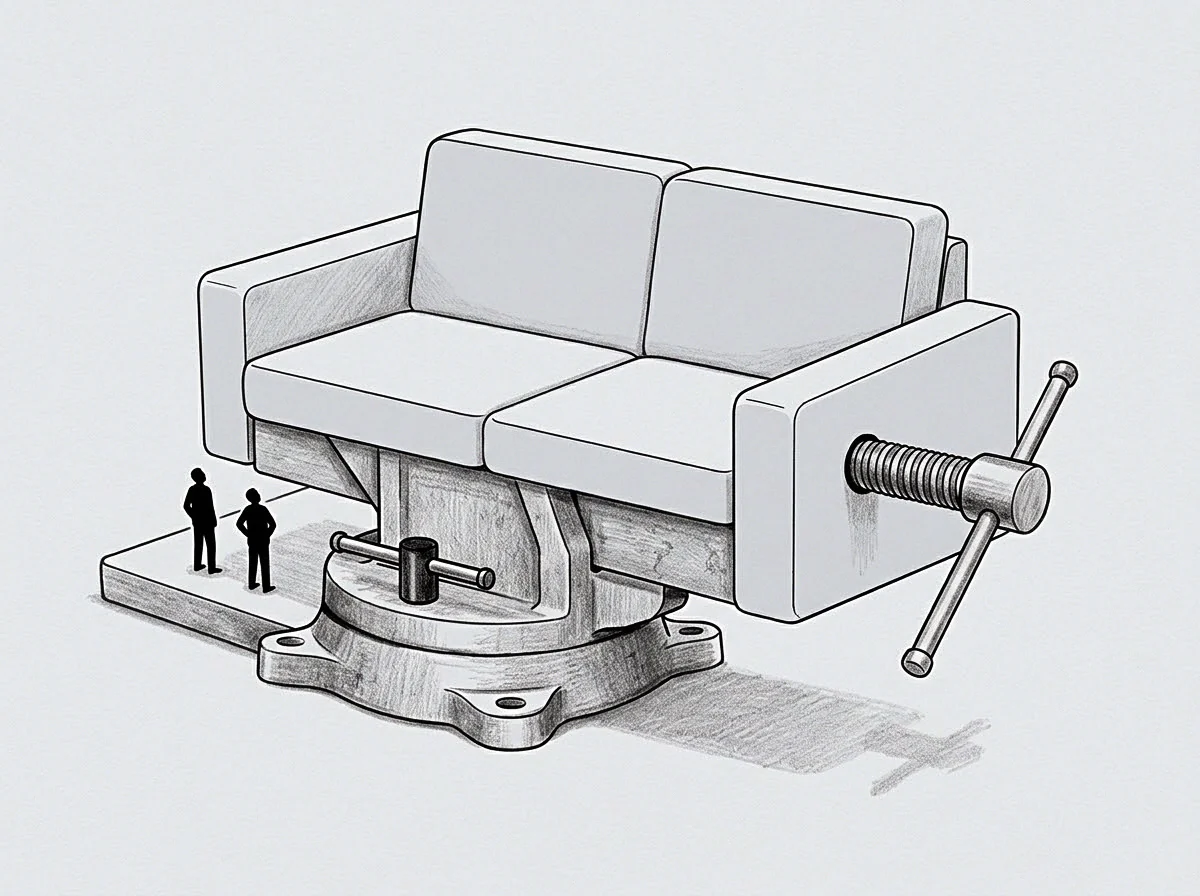
Contractual fair value buyout clauses resolve minority discount disputes by explicitly defining valuation as an undiscounted pro rata share of enterprise value.

Resolving minority oppression during operator transitions relies on separating operational seats from equity ownership through structured fair-value buyouts.

A corporate board diluting an inactive common shareholder must establish entire fairness or implement independent special committees and open rights offerings.

A successor operator equity buyout transfers ownership by amortizing departing equity through staged company redemptions and subordinated seller notes.
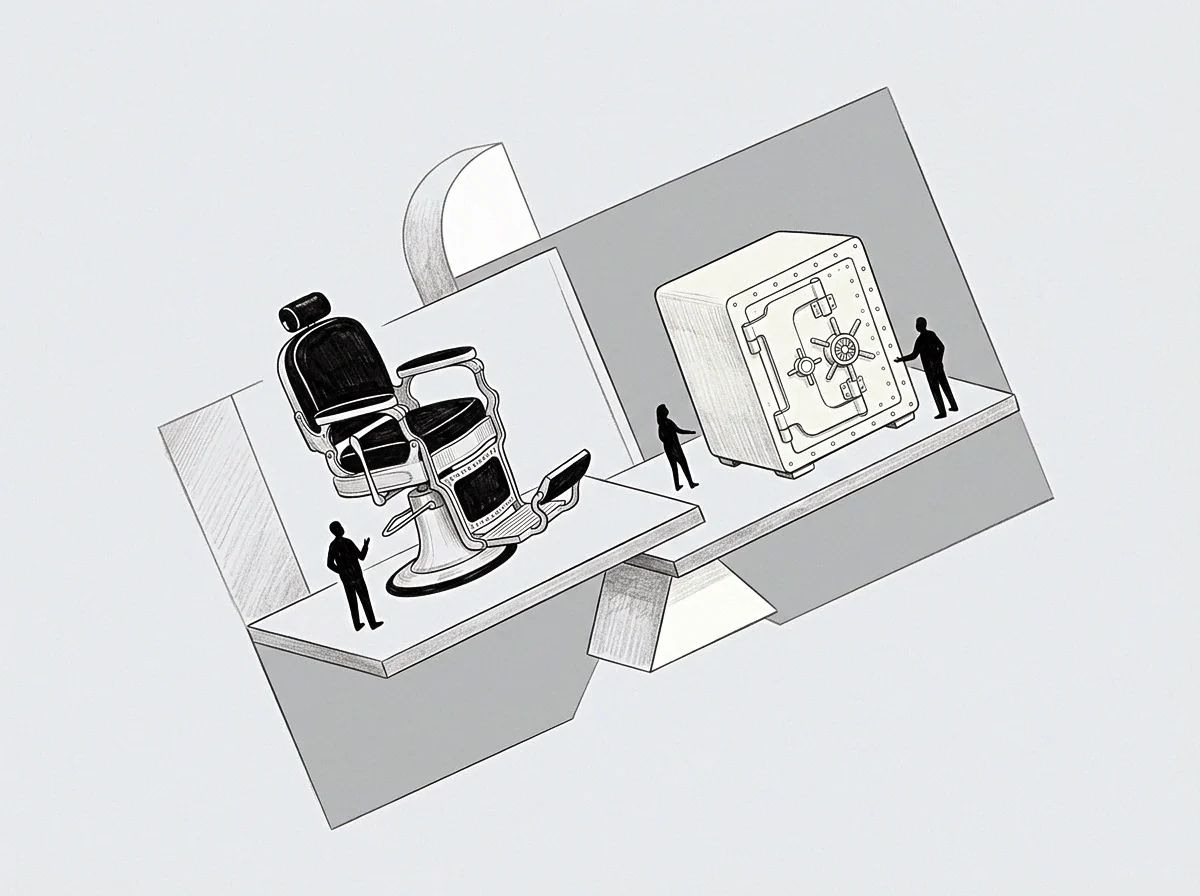
Establishing a pre-allocation capital baseline converts historical labor and cash inputs into verifiable balance sheet value before issuing corporate equity.

Drafting shareholder agreements to handle inactive equity separates voting control from economic upside through non-voting stock and automatic conversion rules.

Amending early shareholder agreements during succession aligns voting control with active executive management while converting legacy equity into non-voting stock.
The terms are written where they belong. Each field holds three desks, and every entry a desk writes raises the terms it uses, each term given a meaning, a mechanism and the places it appears. The record on these pages stays first person and hand made; the fields grow the nomenclature.