
Decoupling Governance Oversight From Founder Personal Technical Contributions In Scaling Companies
Decoupling governance oversight from founder technical work requires revoking direct system access and replacing informal presence with formal board reporting.

Table
Production code still deploys under personal credentials stored on a laptop that attended the first customer meeting. The board packet arrives forty-eight hours before the quarterly meeting, listing technical milestones alongside gross margin projections. One individual sits as a director, votes on compensation packages, then inspects repository pull requests before midnight to fix architectural debt.
That pattern reveals three distinct seats occupied by a single body: the technician executing direct builds, the executive directing department allocations, and the director exercising fiduciary oversight. The person in these seats operates under unresolved role strain, evaluating their own operational labor through a governance authority that belongs to the corporate entity.
Role transition research within administrative science documents the switching cost exacted when an actor moves across operational and fiduciary tasks within identical working blocks. Each transition forces a cognitive reorientation between direct execution and systemic evaluation. When architectural authority resides in the individual rather than an explicit organizational role, technical vetoes get exercised through informal presence rather than institutional design.
A technical dispute among staff engineers ends prematurely because one contributor also holds a seat on the compensation committee. Authority remains entangled with execution.
A technical contribution evaluated by its own author in a governance seat damages both code review and fiduciary oversight.
Oversight asks whether technical architecture serves enterprise survival over three fiscal cycles. Direct execution asks whether the current database schema survives tomorrow morning’s query volume. When the same individual attempts to answer both questions simultaneously, operational urgency routinely displaces corporate governance.
The technician seat devours the director seat.
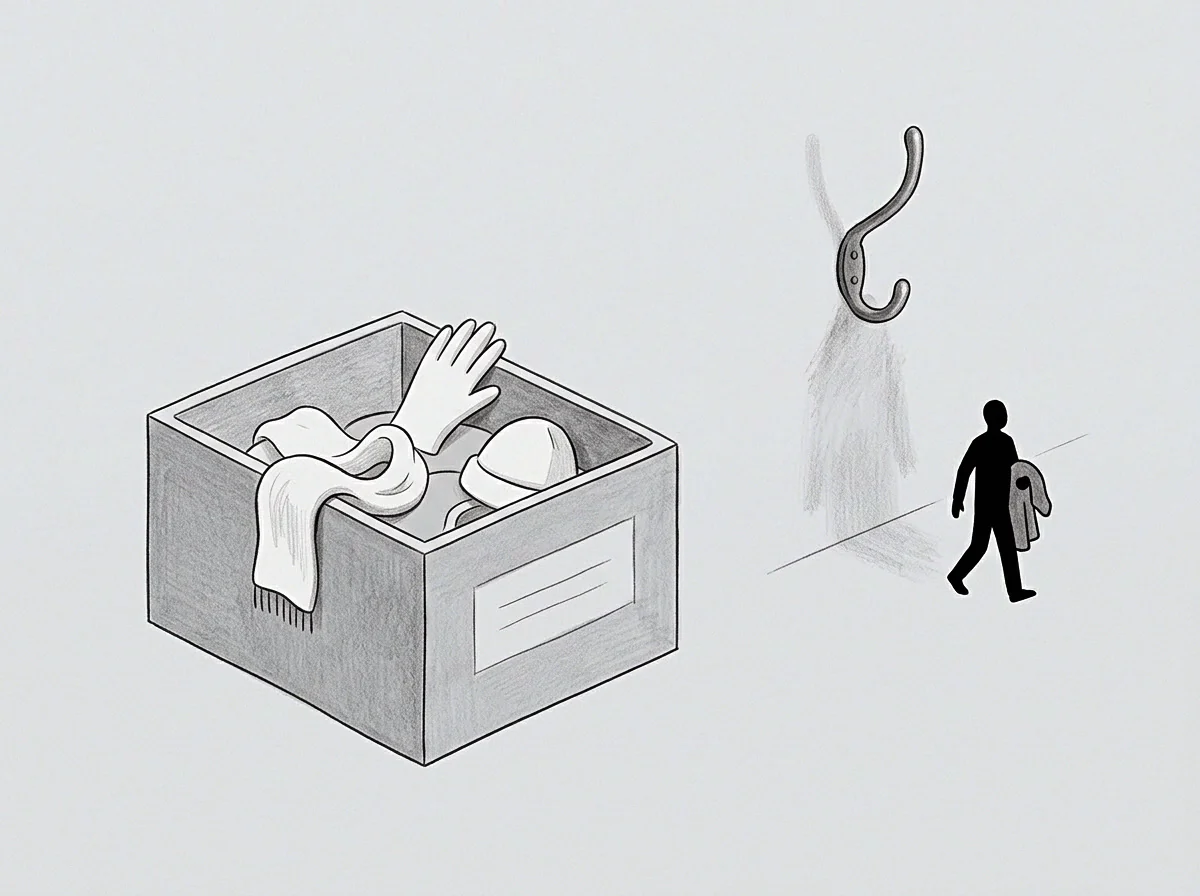
Structural Separation Across Enterprise Positions
Decoupling technical labor from governance begins with the formal decomposition of the founder position into measurable seats. Corporate governance represents a distinct legal discipline centered on monitoring managerial performance, maintaining capitalization tables, and preserving fiduciary integrity. Operational technical labor is an execution role, accountable to engineering management rather than directly to the board of directors.
If this operational role lacks explicit boundaries, technical opinions voiced by a director carry the force of executive mandates.
Organizational structures that leave technical authority unpriced generate invisible administrative subsidies. An enterprise relies on unbilled hours spent debugging services at dawn, hiding true operational expenses from corporate statements. The board miscalculates operating costs because critical infrastructure maintenance runs on founder sweat equity.
The true cost surfaces only when outside leadership attempts to replicate that informal output.
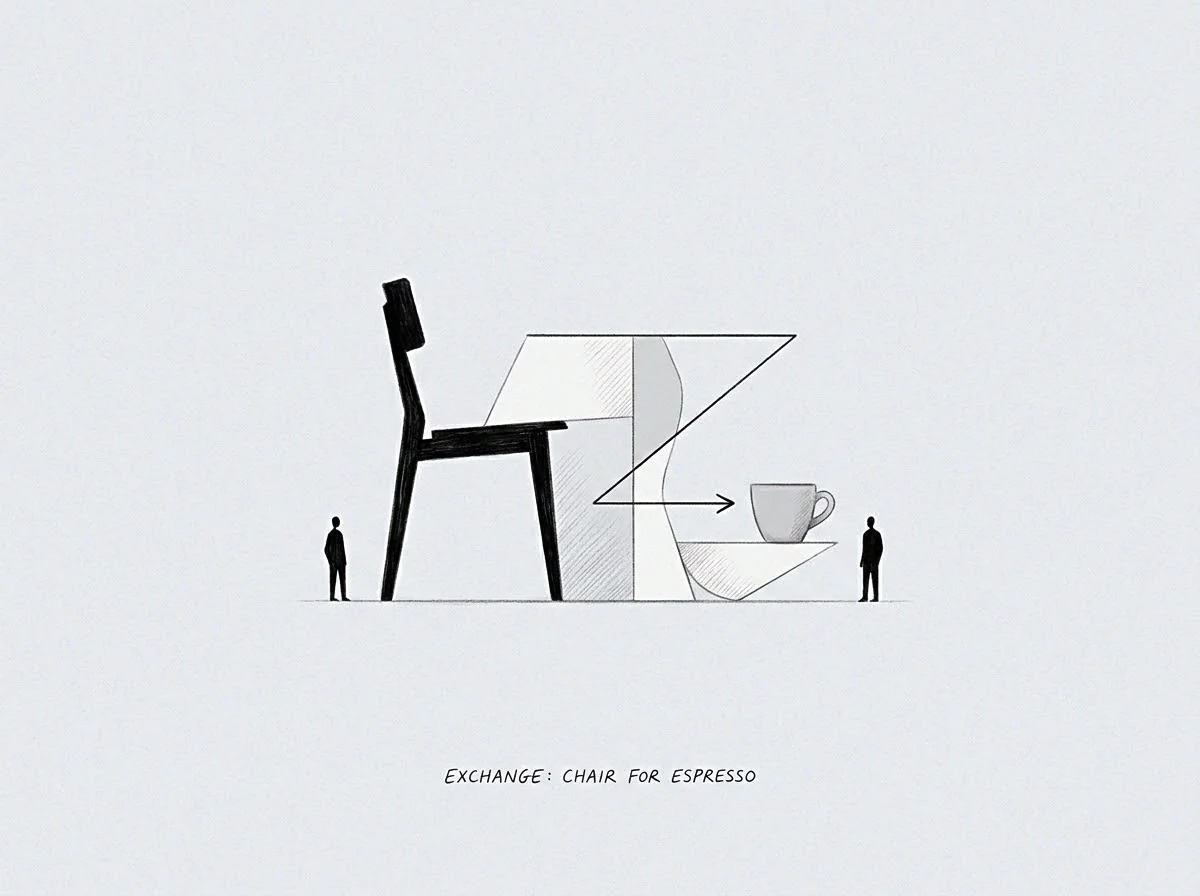
Weight
Tacit technical knowledge functions as operational drag when governance transitions begin. In early phases, architectural rules live exclusively in individual memory, communicated through verbal remarks during ad-hoc pairing sessions. The enterprise cannot easily evaluate what it cannot see.
When technical direction consists of undocumented intuitions, the board remains captive to the technician, unable to assess operational risk without the technician interpreting the metrics.
Role theory identifies role ambiguity as an arrangement where expectations governing an office lack operational clarity. A technical contributor holding governance authority produces persistent ambiguity across subordinate layers. Staff engineers cannot determine whether architectural feedback constitutes collaborative critique or a directive backed by board authority.
Engineering throughput drops as line managers await informal clearance on architectural proposals.
Role ambiguity deepens whenever an executive veto masquerades as peer review.
Engineering departments require predictable boundaries to operate independently of founding personalities. If repository commit rights remain attached to governance actors, technical leadership cannot build authority. The engineering vice president functions merely as an administrative deputy while technical control stays with the director.

The Sentence The Staff Engineer Holds
That technical pull request sits approved by architecture staff yet stalled because the board member might dislike the database choice.

Line
Drawing boundaries between monitoring and building requires clear demarcation of authority across formal organizational bodies. The board of directors evaluates company health through audited statements, risk registers, and executive milestones. Engineering management directs code quality, deployment schedules, and architectural evolution through internal technical documentation.
| Evaluation Criterion | Governance Oversight Seat | Technical Execution Seat |
|---|---|---|
| Primary Accountability | Fiduciary preservation of enterprise assets | Delivery of functional software architecture |
| Information Source | Audited operational metrics and committee reports | Direct inspection of logs, code, and systems |
| Authority Horizon | Multi-year strategic continuity and capitalization | Quarterly sprints and release schedules |
| Remediation Power | Removal of senior officers and budget ratification | Refactoring repositories and revising system design |
When an organization fails to decouple these positions, administrative dysfunction compounds quickly. Corporate boards lose independence when the individual reporting on technical resilience also wrote the vulnerable services under review. Independent directors find themselves unable to question software reliability because doing so challenges a fellow board member’s technical self-concept.

Why Does Production Access Compromise Board Inquiries?
Direct infrastructure access grants immediate operational visibility while blinding governance to systemic reporting health. A director who SSHs into production clusters to inspect server logs bypasses standard engineering observability tooling. This bypass conceals defective internal reporting pipelines from board inspection.
The company runs on personal heroics rather than institutional process.
- Administrative Revocation separates production access rights from corporate equity ownership, ensuring technical changes occur through documented engineering protocols.
- Charter Realignment establishes explicit engineering governance committees that report operational risks without requiring personal technical intervention from directors.
- Compensation Normalization decouples director stipends from informal technical labor, exposing the true cash requirements of hiring technical replacements.
Operational access yields false governance comfort. Fiduciary duty requires verifying that the enterprise survives the departure of every single builder.

Span
The transition from hands-on builder to non-executive overseer involves measurable capacity reallocation. Time diaries collected across technology enterprises show early-stage operators dedicating sixty hours weekly to technical tasks. As enterprise scale increases, retaining direct technical ownership consumes hours needed for board duties, investor relations, and capital allocation.
The individual experiences cognitive depletion from competing demands.
The move to pure governance requires establishing explicit terms for technical consultation. Outside engineering management needs complete autonomy over hiring, system design, and technological choices. When a founding director intervenes in architectural debates, management accountability evaporates.
The vice president of engineering retains authority only when free from informal board intervention.
Informal authority undermines formal accountability across every layer of engineering leadership.
A transition schedule that leaves technical handover open-ended invites governance failure. Handover succeeds when marked by definitive procedural events: revoking administrative tokens, reassigning system architecture sign-offs, and channeling inquiries through executive leadership. Technical oversight then shifts from inspectorial meddling to structured performance monitoring.
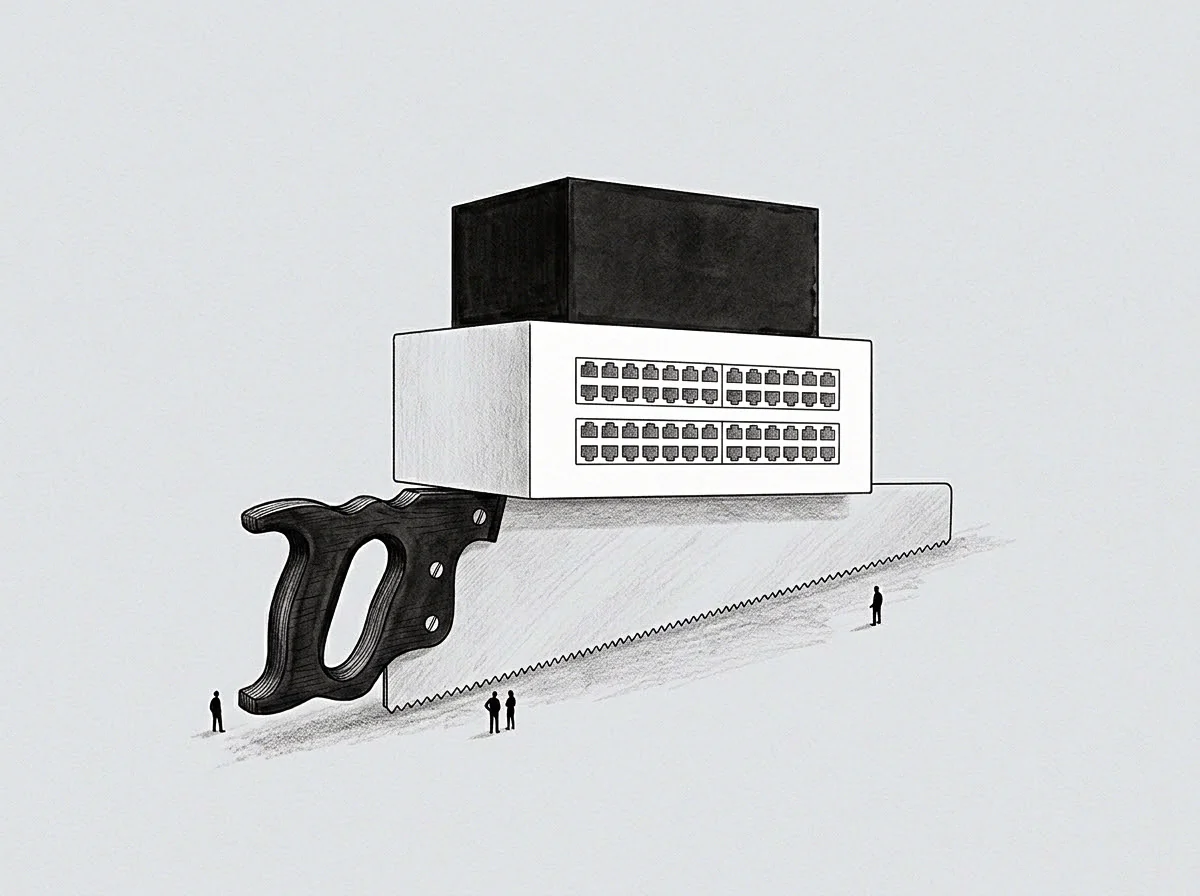
The Handover Sequence
- The director surrenders all production repository push rights and root system credentials to the infrastructure engineering team.
- Formal architectural decision documents replace informal discussions, establishing verifiable records for all technical direction.
- Direct communication channels with line engineers concerning technical trade-offs redirect to the vice president of engineering.
- Board reporting adopts standardized metrics on software uptime, deployment cadence, and technical debt.
The unstated terms of governance define how authority functions when things break. Leave them unstated and operational emergencies will draw the director back into server rooms, halting institutional development.
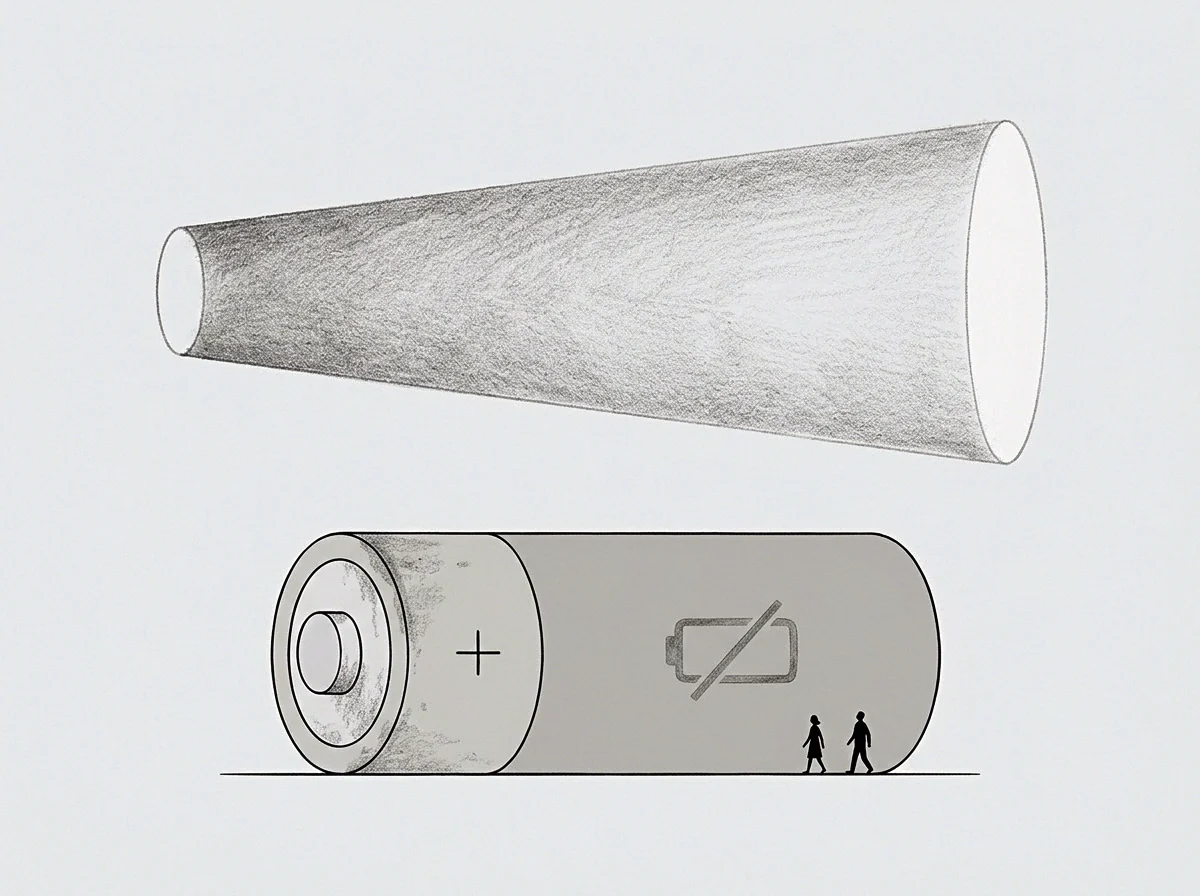
Post
The terminal phase of structural separation leaves the founder occupying an unencumbered governance seat. Technical authority resides fully within the operational executive hierarchy, where it faces evaluation through established review systems. The board monitors engineering stability through formal dashboards rather than individual contributions.
The enterprise operates as a self-sustaining asset rather than an extension of a personal workshop.
Occupying a governance seat without technical commit rights feels unnatural to an active builder. The hands remain idle during operational crises while administrative duties demand attention. The individual must watch from the boardroom while external management makes architectural decisions that differ from historical patterns.
That emotional friction marks the establishment of institutional durability.
Corporate resilience requires divorcing governance oversight from personal technical execution. An enterprise scaling its operations replaces personal oversight with structural compliance and formal accountability. The person steps away from the terminal to let the institution stand on its own documentation.