
Governing Tacit Domain Knowledge Transfer When Former Code Maintainers Vacuum Formal Authority
Former software maintainers retain covert organizational control by hoarding undocumented architectural rationale while abandoning formal accountability.

Lock
A software deployment stalls on a Tuesday evening because an unwritten dependency breaks during an automated migration. The system halts. Two junior engineers examine thirty lines of shell script written five years earlier by an original builder who no longer holds an administrative title.
That builder now sits in an advisory capacity, possessing unmonitored commit privileges and absolute veto power over core architectural changes without holding formal operational accountability. The code compiles.
When maintainers vacate formal authority while retaining proprietary command over the domain logic, the organisation enters a structural condition termed authority vacuuming. Formal governance disappears into an operational void. The former maintainer wields unilateral influence through private repository access and undocumented institutional memory, while newer staff bear visible legal and operational responsibility for outages they cannot diagnose.
Production halts at midnight.
A governance boundary decays whenever operational accountability separates from the administrative rights to execute repairs.
The technician who built the foundational architecture frequently accepts an advisory seat or board role, shedding routine management duties while continuing to police every architectural alteration. This pattern creates a shadow authority structure. Incoming staff find themselves answering to executive targets while remaining subservient to an unwritten consensus protocol dictated by someone absent from daily team standups.
The hours disappear.
- Monopolised routing occurs when production incidents bypass written alerting pipelines to reach the personal inbox of an exited engineer.
- Architectural veto describes the informal rejection of pull requests by an unlisted stakeholder lacking ticket review obligations.
- Syntactic hoarding involves retaining critical deployment parameters inside local shell profiles rather than committed infrastructure repositories.
Knowledge transfer in software systems relies upon explicit translation mechanisms. When former maintainers withdraw from operational duties without surrendering final approval rights, documentation stops accumulating. Engineers who possess the tacit domain knowledge assess that publishing comprehensive configuration guides dilutes their bargaining position inside the firm.
The technician holds the keys while another person stands by the door.

Arrears
Deferred architectural documentation behaves exactly like delinquent debt. The technical arrears accumulate silently behind successful deployment cycles until an edge case breaches the production boundary. The team discovers that the conceptual map of the domain model exists solely inside the memory of an executive who ceased committing code eighteen months prior.
The ticket stays open.
Tacit domain knowledge encompasses the rationale behind past compromises, edge-case workarounds for deprecated third-party libraries, and informal agreements with legacy infrastructure providers. None of these elements appear in standard automated testing suites. A unit test verifies that an output matches an input, yet it cannot explain why a particular database field accepts negative integers during specific international billing cycles.
Execution stalls.
Tacit domain knowledge remains invisible until the system encounters conditions outside its automated verification boundary.
When the original maintainers vacuum formal authority, junior operators hesitate to alter core components. Every pull request becomes a political negotiation rather than an engineering exercise. The following table delineates the systemic divergence between explicit governance models and environments where former maintainers preserve shadow control over domain assets.
| Governance Dimension | Explicit Operational Custody | Vacuumed Shadow Governance |
|---|---|---|
| Incident Escalation | Documented runbooks determine on-call alerting schedules. | Personal telephone outreach to departed maintainers occurs during outages. |
| Schema Alteration | Database migrations undergo automated review and peer consensus. | Ad-hoc verbal clearance from unassigned senior founders governs changes. |
| Domain Documentation | Architectural decision records exist alongside source code repositories. | Institutional history remains confined to private recollection and old pull comments. |
| Deployment Accountability | Active teams hold operational ownership and administrative access keys. | Nominal operators shoulder incident liability while former builders retain root credentials. |
Unaddressed knowledge concentration forces incoming engineering teams into defensive development postures. Teams construct brittle abstraction layers around legacy services to avoid modifying internal functions they do not understand, doubling infrastructure costs while tripling deployment latency.

Fief
Informal spheres of influence expand whenever formal governance channels leave architectural stewardship undefined. An engineer who retains sole comprehension of a proprietary messaging queue effectively controls company deployment velocity regardless of organizational charts. The room stays quiet.
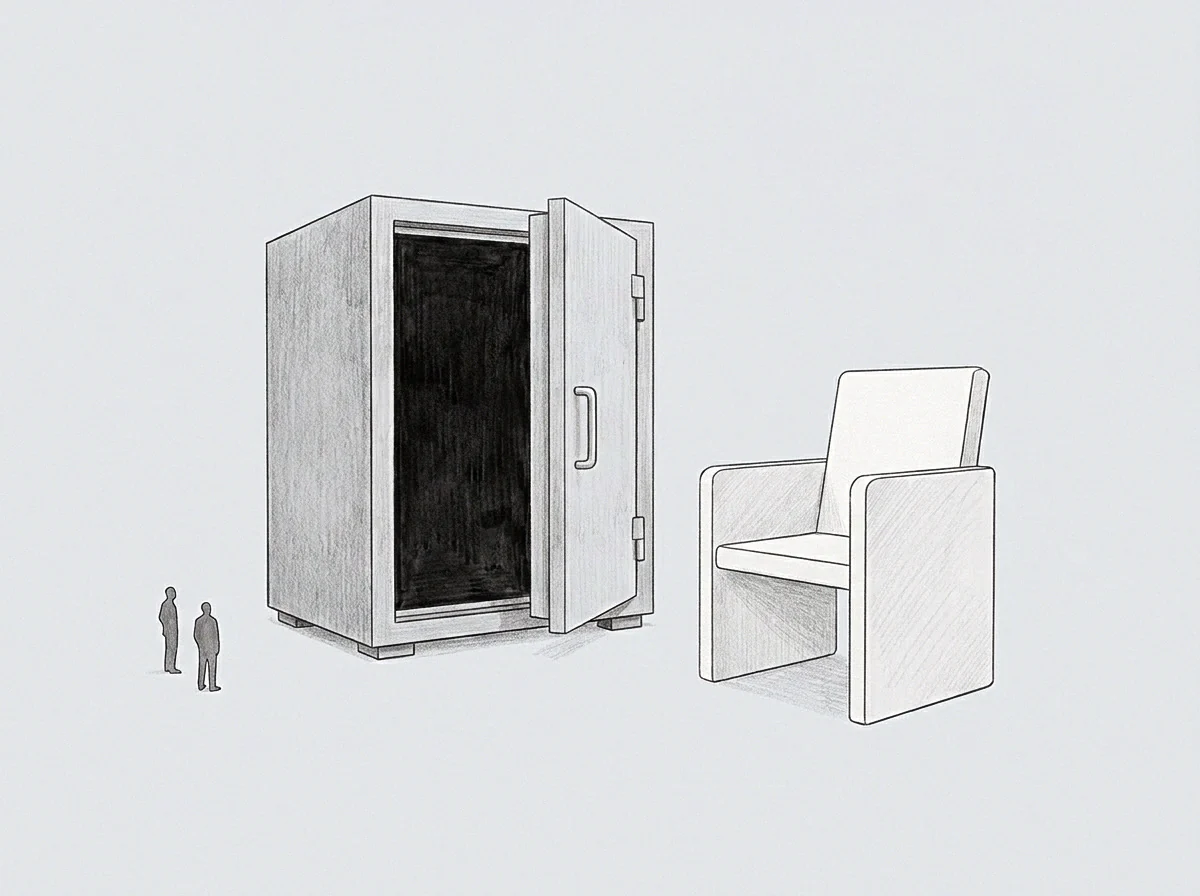
Where Does Knowledge Reside After Formal Exit?
Information rests inside the behavioral habits of the person who originally resolved the system trade-offs. The creator understands precisely which network calls drop under high memory pressure because they spent three weeks debugging that exact kernel race condition during early product development. That person regards this repository of historical context as personal equity.
The founder retains this leverage to ensure ongoing indispensability across corporate restructuring cycles.
An unwritten architecture functions as an informal equity claim held against the operating organization.
Engineering managers attempt to extract this context through casual pairing sessions or generic documentation sprints. These initiatives fail because documentation lacks emotional and operational utility for the departing maintainer. Transcribing complex mental models into plain text consumes cognitive capacity without offering career preservation in return.
The branch sits unmerged.
A maintainer whose formal role shifts to commercial strategy often views technical handover as an irreversible surrender of operational sovereignty. Subordinates observe this tension and decline to challenge architectural assertions made by the former lead, fearing political retaliation during annual performance assessments. We could resolve these system errors if the original creator allowed the active team to modify legacy services.

Siphon
Extracting implicit system knowledge demands structured structural intervention rather than informal appeals to camaraderie. The enterprise must decommission the shadow governance channels that allow former maintainers to intervene in daily technical execution. Administrative credentials need absolute reissuance, restricting production server permissions strictly to individuals carrying active on-call contracts.
Nobody touches the repository.
When formal intervention severs the shadow feedback loops, the organization converts tacit knowledge into operational artifacts through adversarial pairing protocols. The active maintenance team writes explicit integration tests that intentionally break legacy assumptions, forcing the former maintainer to articulate latent business rules to restore compilation pipelines. The operator pays.
- Credential revocation transfers all administrative encryption keys and deployment pipelines exclusively to active engineering personnel.
- Contractual extraction sprints allocate designated compensation for each fully documented architectural decision record completed and verified by peers.
- Shadow ban protocols reject code commits submitted by individuals outside current operational rosters regardless of institutional status.
Knowledge transfer succeeds only when the organization establishes a mandatory verification standard for incoming changes. Every legacy system modification includes a contractual clause stipulating that any system component remaining dependent on unwritten historical rationale defaults to complete deprecation within ninety business days.
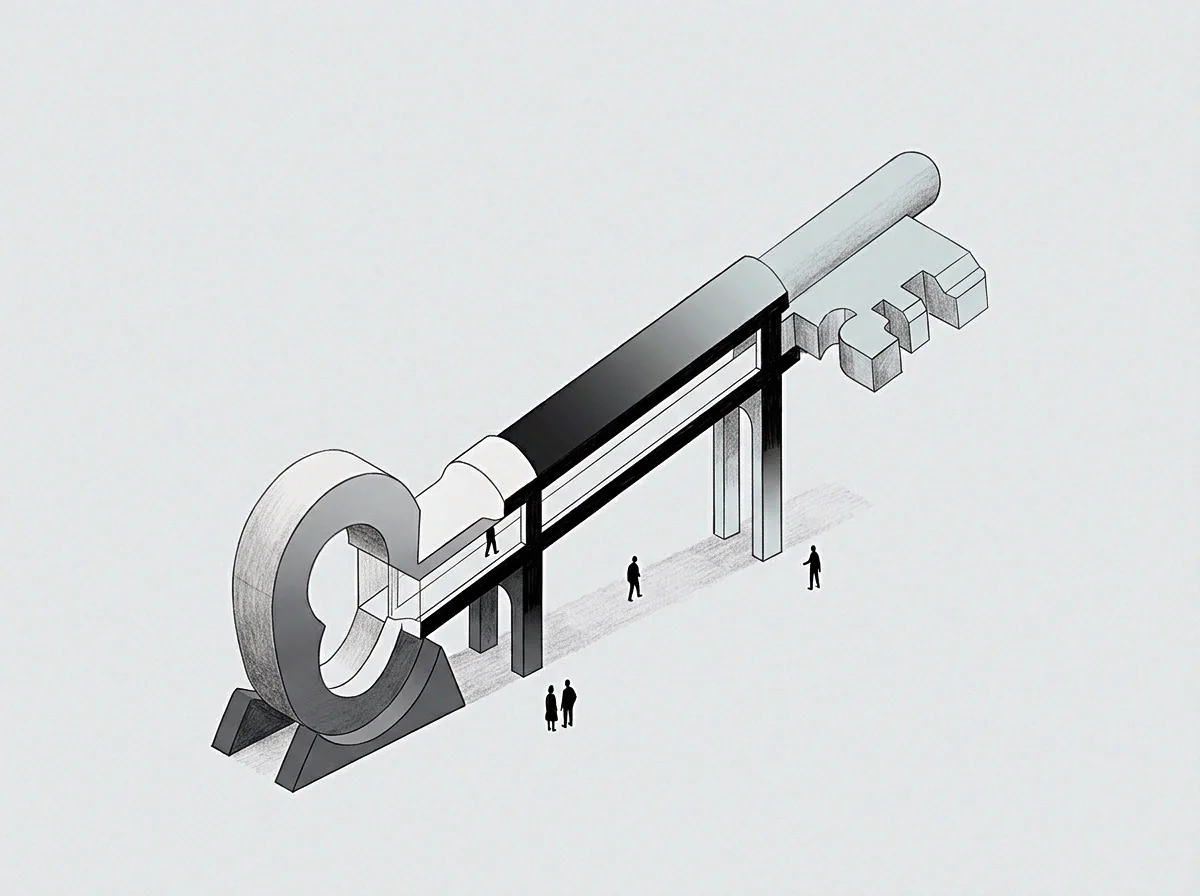
Bound
A clean line between historical ownership and active stewardship preserves the structural integrity of the firm. The former maintainer accepts the psychological separation from day-to-day code decisions, redirecting attention toward broader fiduciary obligations. The technician departs.
Organizations that survive technical handovers recognize that software architecture mirrors the political arrangements of the people constructing it. When an engineer steps upward into executive leadership or outward into advisory roles, operational control over software branches shifts simultaneously. Silence becomes the baseline.
A governance framework functions effectively when operational risk settles entirely upon the individuals possessing immediate authority to deploy code.
The transition exposes whether the enterprise values institutional durability over the convenience of relying on individual heroics. Teams that enforce strict documentation parameters build resilient infrastructure capable of withstanding unexpected employee turnover. The ledger closes empty.
The fundamental uncertainty remains whether early software architectures can ever fully decouple from the private intuitions of their initial authors, or if every foundational codebase carries permanent genetic traces of its original creator that resist institutional documentation.