
Structural Boundaries for Technical Leaders Leaving Production Code Tasks
Technical leaders leave production coding by establishing explicit architectural governance thresholds and revoking daily repository write permissions.

Shift
A pull request sits in queue at midnight awaiting one specific sign-off. The engineering executive reviewing the code authored the original database driver three years prior, establishing an implicit dependency that persists despite team expansion. Pull requests stall when domain authority remains tied to initial author ship.
Operational habits persist. Technical leaders attempting to disengage from daily development tasks frequently encounter structural resistance rooted in historical execution patterns. Role conflict creates drag.
The technician seat demands continuous focus on feature delivery and patch resolution, while executive governance requires long-term allocation of organizational resources and architecture planning. Occupying both seats simultaneously forces rapid context shifts that reduce output across both operational layers.
Role strain accelerates when production expectations are not separated from leadership responsibilities. When an engineering manager continues taking on-call shifts, incident resolution routinely preempts administrative duty and team mentorship. Direct fixes introduce hidden costs.
The individual contribution appears efficient in the immediate hour, but it creates a operational bottleneck that prevents staff engineers from developing diagnostic autonomy. The capacity spent reviewing routine code changes reduces the time available for organizational design, hiring pipeline development, and cross-departmental coordination.
Production output decreases when an executive retains daily commit privileges while managing team operations.
Organizational structures adapt to executive behavior rather than written job descriptions. If a technical leader regularly overrides repository merge gates during production deployments, engineering teams relinquish responsibility for release verification. The cost arrives as diminished local accountability and increased reliance on executive sign-off for basic delivery decisions.
Continuing to merge emergency patches past the transition window consumes administrative focus and stalls team autonomy.
Wire

Decoupling Operational Velocity From Personal Contribution
Production repositories retain operational memory through commit patterns. When senior technical leaders step away from daily development tasks, the transition uncovers implicit dependencies embedded within build tooling, deployment scripts, and architectural review channels. Executive engineers often hold undocumented authority over infrastructure credentials, release pipelines, and database migration approvals.
Decoupling personal contribution from team velocity requires converting tacit operational habits into explicit, standardized workflow rules accessible to all team members.
Consider an engineering organization of twelve developers operating across two product pods over an eighteen-month period. Assume the technical founder authored sixty percent of the original microservices architecture and retains primary ownership of production database access credentials. If the leader attempts an immediate withdrawal from code tasks without updating permission boundaries, the team encounters deployment stalls within forty-eight hours due to missing access grants and approval locks.
Conversely, if the leader continues submitting regular pull requests while managing twenty hours of weekly administrative meetings, code review latency increases by forty percent across both pods. The solution relies on systematic credential migration alongside explicit delegation of merge rights to staff engineers.
- Transfer deployment pipeline credentials to designated release engineers.
- Shift primary incident escalation to secondary engineering leads.
- Reassign active feature branches to staff developers.
- Restrict repository write permissions to read-only advisory access.
Sequence for Production Task Disengagement
Technical leaders offload operational load across distinct operational phases. The initial phase identifies high-frequency production tasks, including routine bug fixes, dependency updates, and feature branch reviews. Transferring these tasks requires establishing documented criteria for code approval, automated test suites with high coverage thresholds, and clear ownership mappings across all active code repositories.
Removing executive intervention from routine release flows validates whether the underlying team possesses sufficient context to maintain software quality independently.
The secondary phase addresses high-stakes technical responsibilities, such as emergency hotfix approvals, database schema migrations, and third-party vendor integrations. Leaving these areas demands explicit handoff protocols rather than informal verbal delegation. Teams require structured architecture review forums where proposal evaluations rely on written specifications rather than informal executive consensus.
This structural separation protects the technical leader from operational pull while ensuring that systemic changes undergo rigorous peer evaluation.
Whose Capacity Absorbs Production Incidents During Transition?
Emergency responses reveal missing domain transfer faster than scheduled maintenance. When critical production outages occur during a leadership transition, team members default to calling the original system author unless clear escalation topologies exist. Transferring incident response duties requires assigning primary and secondary on-call shifts to senior engineering staff, supported by explicit runbooks detailing diagnostic procedures for core platform components.
The technical leader assumes an observer posture during active incidents, reviewing post-incident analyses rather than directing real-time remediation efforts. This boundary protects senior engineers as they build operational resilience while preventing the leader from reverting to technician behaviors under pressure. The transition succeeds when post-incident documentation captures systemic fixes without requiring executive intervention in code modifications.
Stating an absolute prohibition on merge rights forces operational accountability into team queues.
Seat
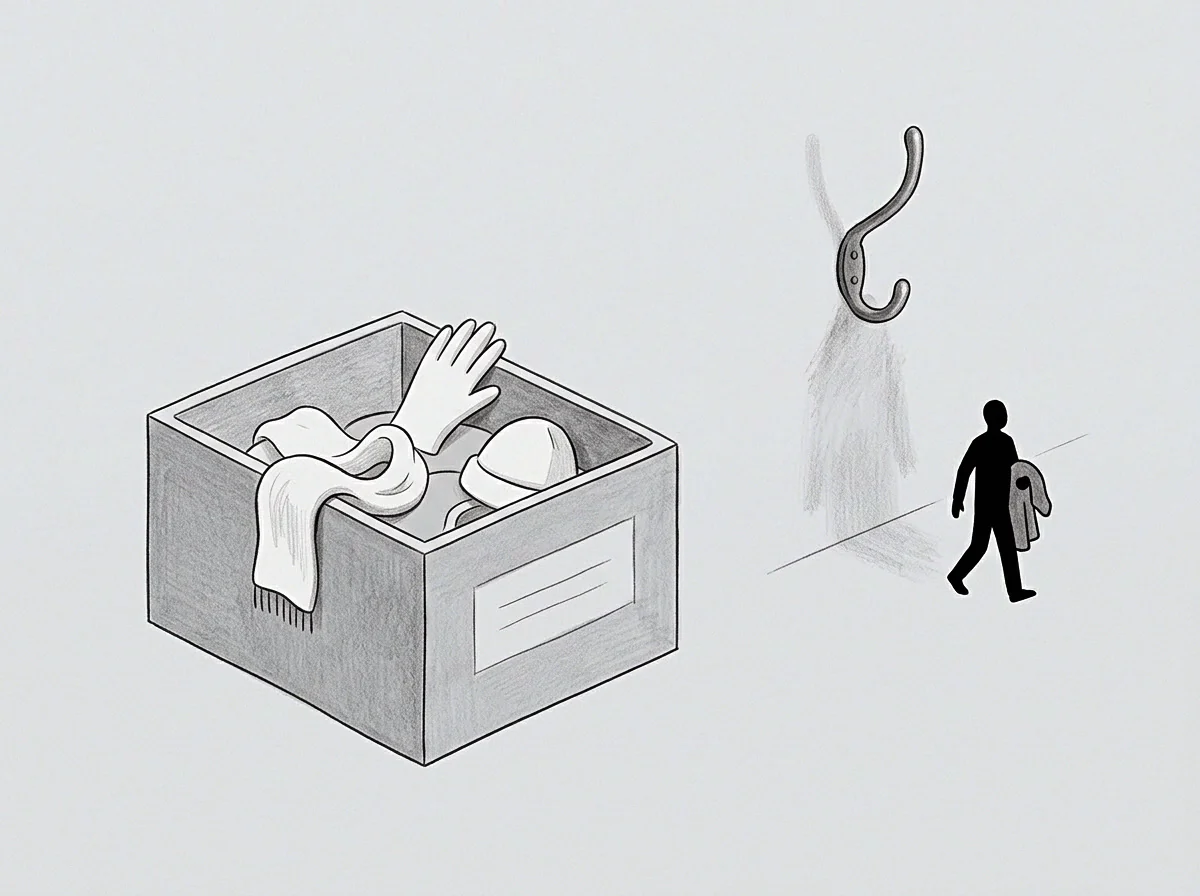
Comparative Evaluation of Governance Positions
Organizational structures require exact boundaries around daily operational authority. Technical leaders moving out of production tasks shift from individual output metrics to portfolio-level governance. The technician seat operates within tight execution loops measured in hours, focusing on syntax, algorithmic efficiency, and immediate pull request delivery.
The governance seat operates across quarters, evaluating system scalability, platform reliability, team topology, and capital expenditure on infrastructure.
Attempting to hold both positions leads to structural ambiguity where team members cannot discern whether executive commentary represents a mandatory directive or an informal code suggestion. Establishing clear operational boundaries requires defining explicit roles, authority limits, and primary deliverables for both technical positions.
| Dimension | Active Production Technician Seat | Held Architectural Governance Seat |
|---|---|---|
| Primary Deliverable | Executable code, bug fixes, automated unit tests | Architectural decision records, platform standards |
| Evaluation Horizon | Daily commit activity, sprint task completion | Quarterly platform uptime, system maintenance cost |
| Incident Response Role | Primary responder, real-time code remediation | Post-mortem oversight, structural policy review |
| Knowledge Artifacts | Inline documentation, active pull requests | System design documents, API specifications |
| Weekly Capacity Allocation | Thirty-five hours direct software engineering | Five hours design evaluation, zero production commits |
Attention splits across disparate operational timelines. When executive leadership evaluates system architecture through the lens of individual pull requests, long-term technical debt strategy receives insufficient analytical focus. Transitioning into a dedicated governance seat establishes structural distance from daily delivery code, enabling objective evaluation of engineering throughput and infrastructure investments.
System architecture matures only when executive oversight separates from daily implementation details.
The transition into a governance seat changes how technical authority is communicated to the engineering organization. Direct code contributions give way to written architectural decision records that outline broad technical constraints while leaving implementation specifics to project teams. Technical leadership expands through system governance while operational velocity grows through local execution.
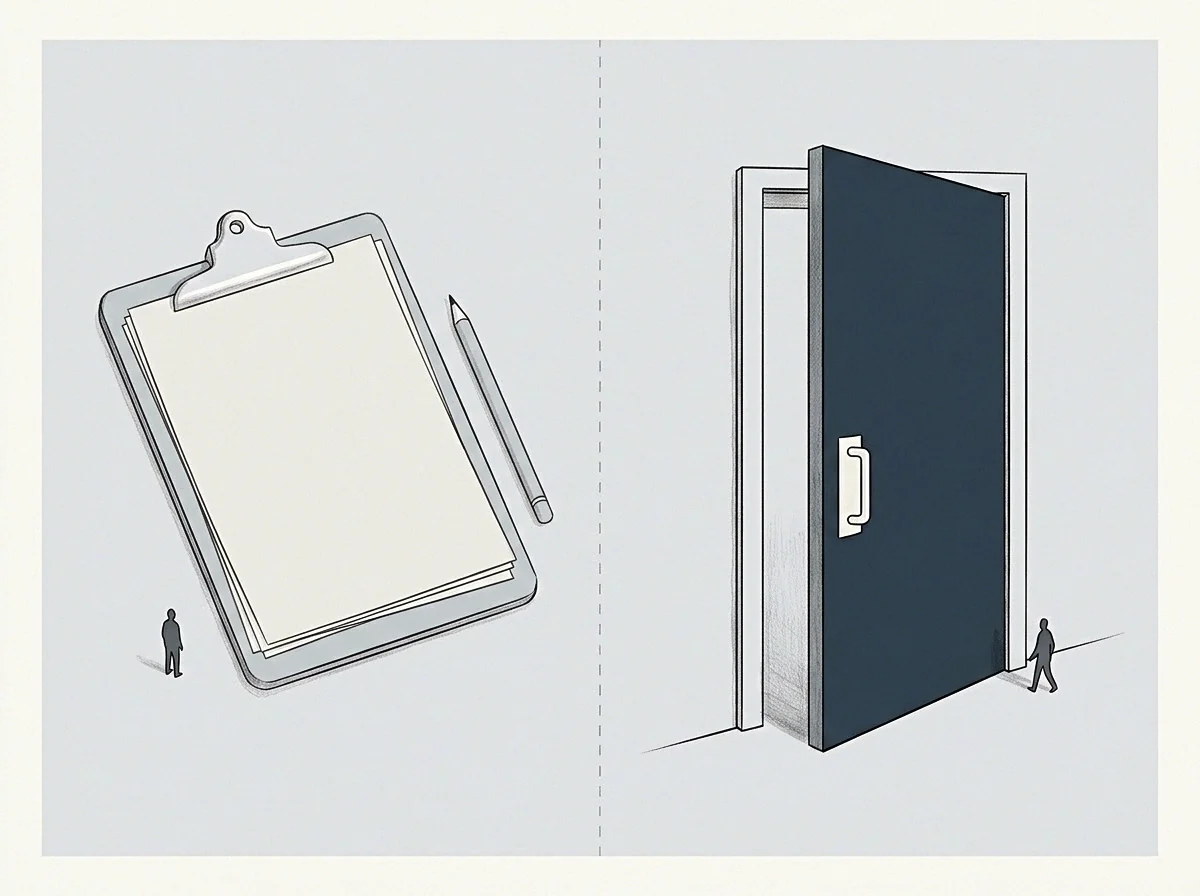
Post
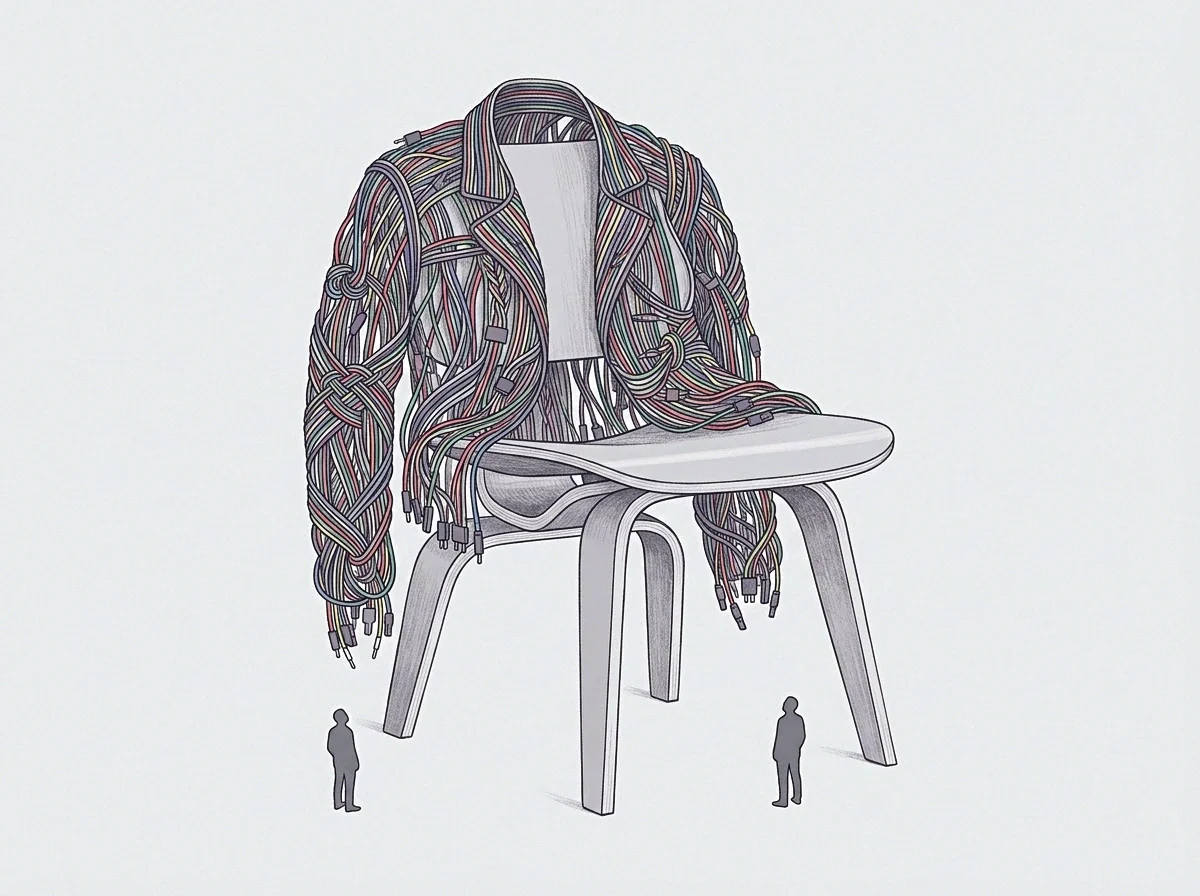
Structural Failure Modes in Technical Transitions
Tacit system knowledge leaves standard documentation incomplete. When a technical leader departs production tasks without establishing formal governance structures, organizations experience specific operational breakdown patterns. Unwritten rules impede team autonomy.
Shadow workflows slow release cadence. Senior engineers frequently struggle to land pull requests because unstated architectural preferences surface late in review cycles.
- Shadow Approval Queues emerge when team members seek informal review before submitting official requests.
- Emergency Commit Relapses occur when minor production incidents bypass standard escalation procedures.
- Architectural Ambiguity arises when high-level design decisions remain unwritten in project repos.
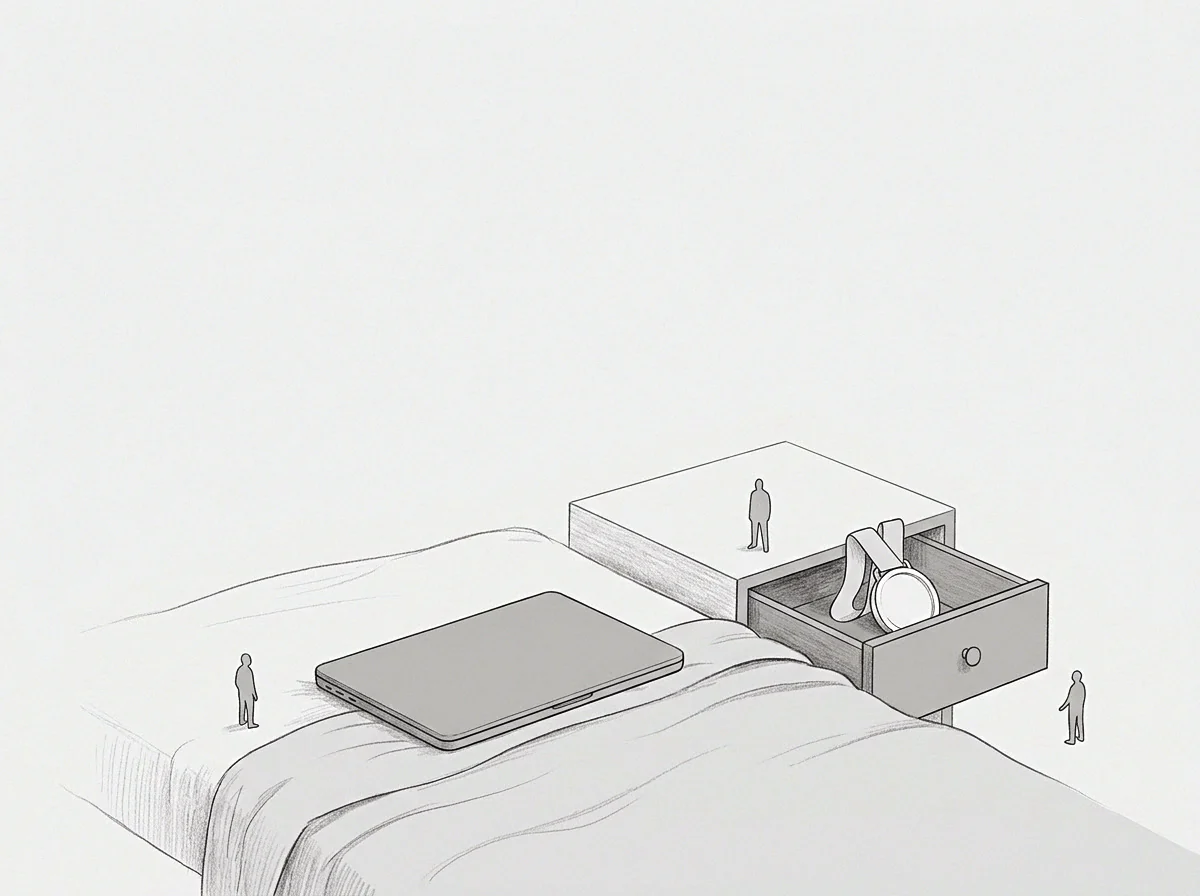
Operational Parameters for Retained Technical Oversight
Explicit limits protect engineering capacity. Retaining technical oversight without writing production code demands structured touchpoints that bound executive involvement. Rather than conducting ad-hoc code reviews, leaders establish formal architectural review boards operating on predictable schedules with standard evaluation templates.
These structures ensure executive guidance remains focused on broad system integrity rather than individual code styling preferences.
- Design Review Boundaries establish explicit thresholds for architectural RFC evaluations.
- Incident Post-Mortem Participation limits executive involvement to systemic analysis rather than active remediation.
- Repository Permission Scopes enforce read-only status across production codebases.
Restricting production repository write access prevents accidental intervention during operational incidents.
Clear boundaries protect team development by forcing developers to resolve implementation challenges independently. When technical leaders refrain from intervening in direct code production, engineering staff develop deep system familiarity and problem-solving velocity. The engineering team reports that critical system knowledge remains locked inside unwritten routines.

Grid
Long-term organizational stability depends on systemic boundaries rather than individual heroics. When technical leaders completely surrender production commit tasks, the transition validates the underlying engineering infrastructure. Clear boundaries preserve focus.
Governance replaces direct intervention. System health outlasts individual presence. Capacity fixes output boundaries.
Execution transfers through explicit terms.
Establishing structural boundaries requires continuous reinforcement through administrative discipline and technical controls. Revoking executive write permissions across core repositories provides an unambiguous signal of operational transfer. This administrative limit prevents impulse interventions during high-pressure releases, forcing incident response processes to operate through established team protocols.
The leader shifts focus toward systemic inputs, such as engineering headcount allocation, toolchain investments, and platform reliability targets.
The total separation of technical leadership from daily implementation tasks transforms the manager seat into a stable governance instrument. As technical leaders step out of execution queues, engineering organizations achieve operational autonomy grounded in documented standards rather than personal oversight. Whether team velocity survives unexpected architectural shifts without direct executive intervention remains unmeasured across extended operational cycles.