
Structural Role Decomposition Mechanics For Technical Founder Operational Decoupling
Operational decoupling requires separating founder positions into explicit roles, codifying tacit routines, and transferring decision rights to external leads.
Binding

Implicit Operational Accretion in Technical Subsystems
A technical founder begins by building systems directly, committing code, configuring infrastructure, and resolving emergency incidents during early operating phases. Over time, these direct interventions establish an unwritten baseline of reliance where key operational dependencies cluster around one individual’s immediate cognitive availability. The system functions smoothly while the founder remains in the technical seat, yet this smooth operation masks a growing structural vulnerability.
Operational decoupling stalls because procedural knowledge remains implicit, tucked away in personal habits and undocumented scripts rather than embedded within formal organizational roles.
When daily engineering execution consumes thirty to forty hours per week, strategic oversight and management responsibilities collapse into brief fragments of attention. The technical seat retains operational control through proximity rather than explicit authority design, causing structural role strain across the firm. Role strain emerges when competing expectations between direct engineering execution and organizational governance overwhelm single-person operational capacity.
The technical founder continues handling live operational escalations while attempting to design long-term governance structures, generating constant context switching that exhausts cognitive reserves.
An uncodified technical intervention executed directly by a founder converts explicit operational procedures into invisible personal habits.
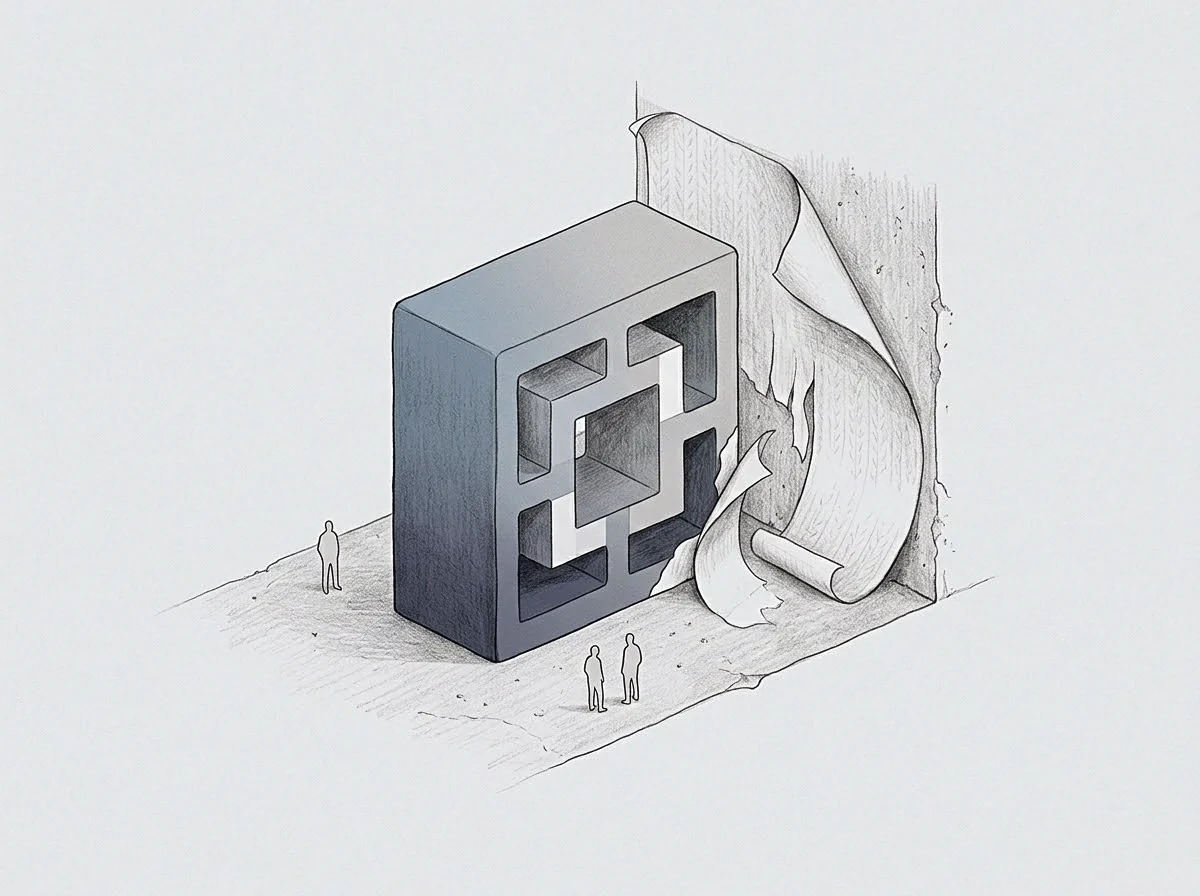
Tacit routines resist early delegation. The founder resolves complex system failures by relying on intuitive pattern recognition gathered over years of direct architecture construction. Because these diagnostic pathways exist purely as mental models, incoming replacement engineers cannot assume control over complex incidents without constant real-time guidance.
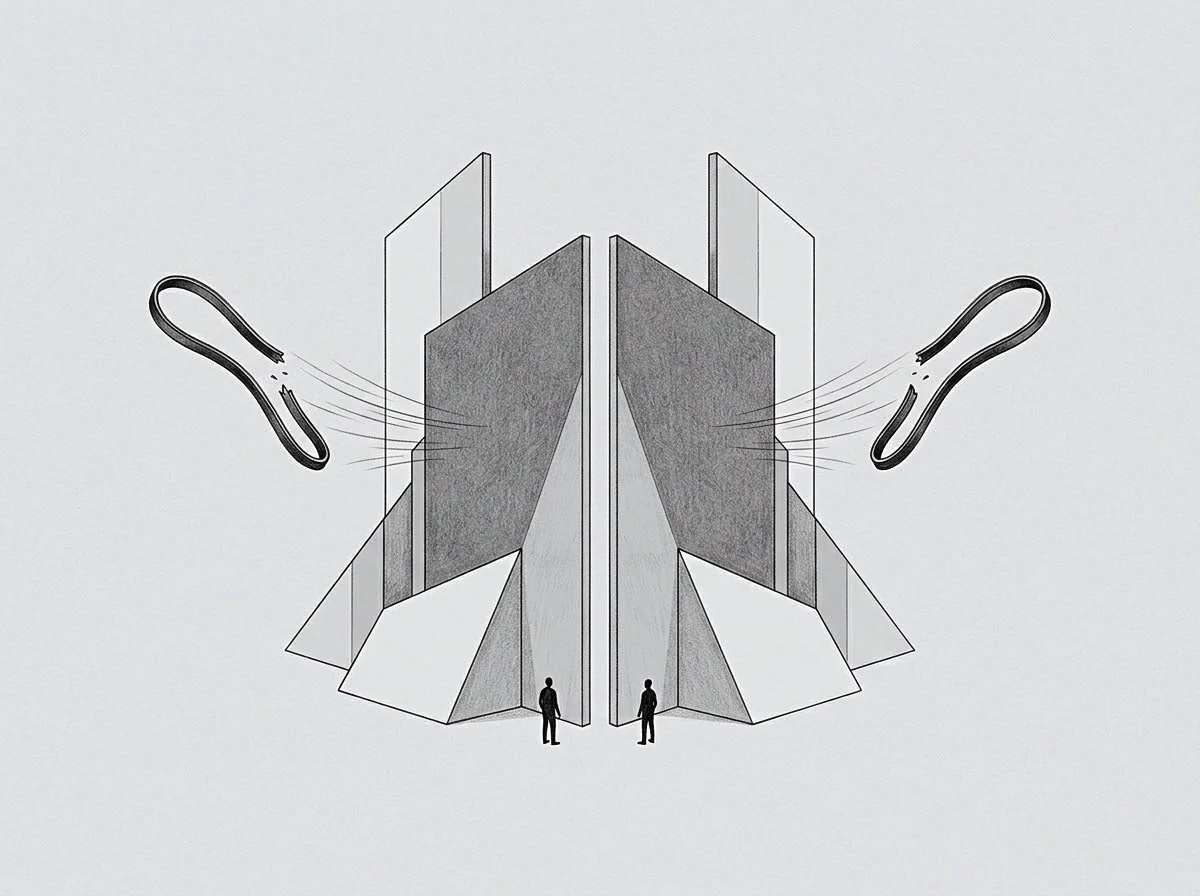
The founder remains tethered to the technical chair, bound by operational necessity rather than strategic choice.
Role Strain and Cognitive Context Switching
Context switching imposes a measurable operational penalty on technical execution and organizational governance. Shifting between deep technical problem-solving and high-level managerial coordination disrupts focus, forcing the founder to re-establish complex mental models after every interruption. Research in organizational psychology demonstrates that switching between distinct operational roles reduces overall task efficiency and increases diagnostic error rates within complex software environments.
The technical founder who attempts to write critical production code while simultaneously conducting performance reviews split focus across incompatible working cadences. Engineering tasks demand uninterrupted blocks of continuous time, whereas operational management operates through distributed asynchronous check-ins and scheduled meetings. The collision of these two cadences results in delayed technical deliverables, superficial strategic planning, and continuous exhaustion.
Left unaddressed, implicit operational accretion creates a situation where organizational scaling compounds individual workload rather than distributing operational execution across dedicated roles.

Chair
Decomposing the Tripartite Founder Position
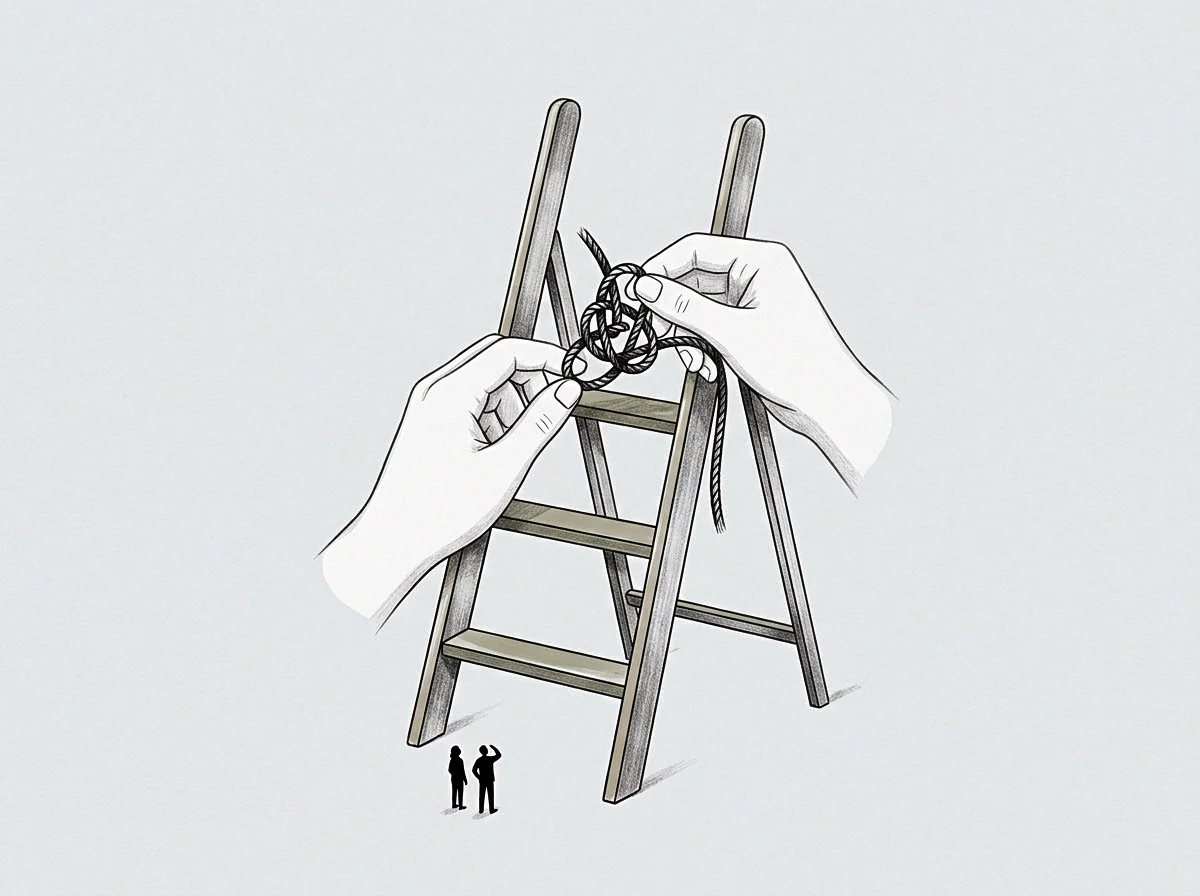
Resolving operational entanglement begins by separating the singular founder title into three distinct functional seats: the Technician, the Manager, and the Owner. Each seat governs a unique operational horizon, demands a specific output currency, and exposes the firm to distinct failure modes when left unsegregated.
| Functional Seat | Operational Horizon | Primary Output Currency | Tacit Work Ratio | Primary Failure Mode |
|---|---|---|---|---|
| Technician | Daily to Weekly | Executable code, technical artifacts | High (unwritten diagnostic paths) | Single-point dependency and burnout |
| Manager | Weekly to Quarterly | Process clarity, resource allocation | Moderate (variable coordination routines) | Micromanagement and operational bottlenecks |
| Owner | Annual to Multi-Year | Capital allocation, governance terms | Low (formal equity and legal structure) | Strategic drift and unhedged liability |
| Decomposition requires isolating hours worked per seat to establish explicit operational boundaries. | ||||
The Technician seat handles direct artifact production, repository maintenance, and infrastructure operations. The Manager seat constructs organizational mechanics, designs communication channels, evaluates team throughput, and removes procedural obstacles. The Owner seat holds ultimate legal risk, appoints executive leadership, allocates equity, and determines structural liquidity events.
Problems arise when the person occupying the Owner chair continues to execute tasks belonging exclusively to the Technician seat without explicit accounting for the hours consumed.
A seat dictates daily priorities. The person in the seat must align their daily calendar with the stated boundaries of that specific functional role. When functional boundaries stay blurred, team members send escalations directly to the founder, bypassing middle managers and rendering managerial authority ineffective.
The team treats the founder as an omniscient technical escalation point, reinforcing the very operational binding that decoupling aims to eliminate.

Pathologies of the Unsegregated Seat
Failure modes multiply when functional boundaries remain unstated over extended operating periods. The unsegregated founder seat produces recurring operational friction across technical and management domains.
- Tacit Dependency Trap creates an operational environment where technical diagnostic knowledge resides exclusively within the founder’s mental models, preventing external engineering leads from resolving high-severity outages independently.
- Governance Bottlenecking occurs when simple procedural approvals require founder consent, delaying routine operational execution and stalling team autonomy across departments.
- Shadow Managerial Execution occurs when the technical founder overrides manager decisions directly inside engineering sprint boards, eroding manager legitimacy and confusing team accountability.
- Strategic Capacity Deficit leaves the Owner seat vacant during critical market shifts because daily technical maintenance consumes total available weekly working hours.
Hours define the physical boundary. When sixty weekly hours pour into software maintenance, zero hours remain for strategic capital allocation. The organization operates without active governance in the Owner seat, leaving long-term enterprise value vulnerable to structural drift.
If engineering decisions still require founder approval every afternoon, the hired leadership team lacks real operational authority.

Wedge
Mechanics of Boundary Insertion
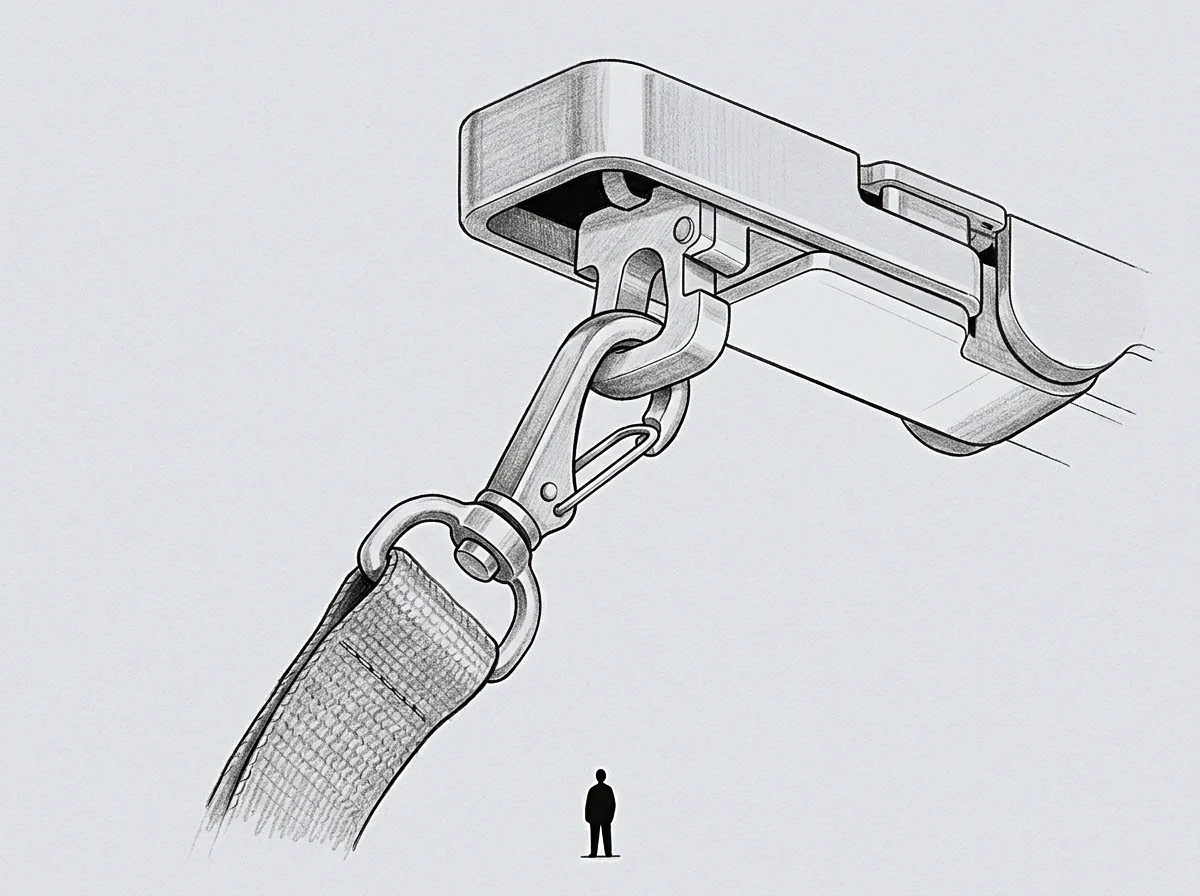
Decoupling operational execution from technical founders requires inserting deliberate procedural wedges between functional seats. A procedural wedge consists of explicit handover criteria, documented diagnostic sequences, and strict escalation protocols that prohibit direct founder intervention in routine operations. Inserting a wedge shifts authority from personal presence to documented organizational systems.
The transition begins by establishing an explicit service-level agreement for founder escalations. Engineering leads may escalate incidents to the founder only after completing defined primary and secondary diagnostic checklists. This requirement forces technical teams to build internal diagnostic competencies rather than relying on founder intuition as a default troubleshooting path.
Diagnostic rigor expands across the engineering organization as unwritten troubleshooting steps are codified into standard operating procedures.
Stated operational terms convert implicit founder authority into explicit team-held procedures.
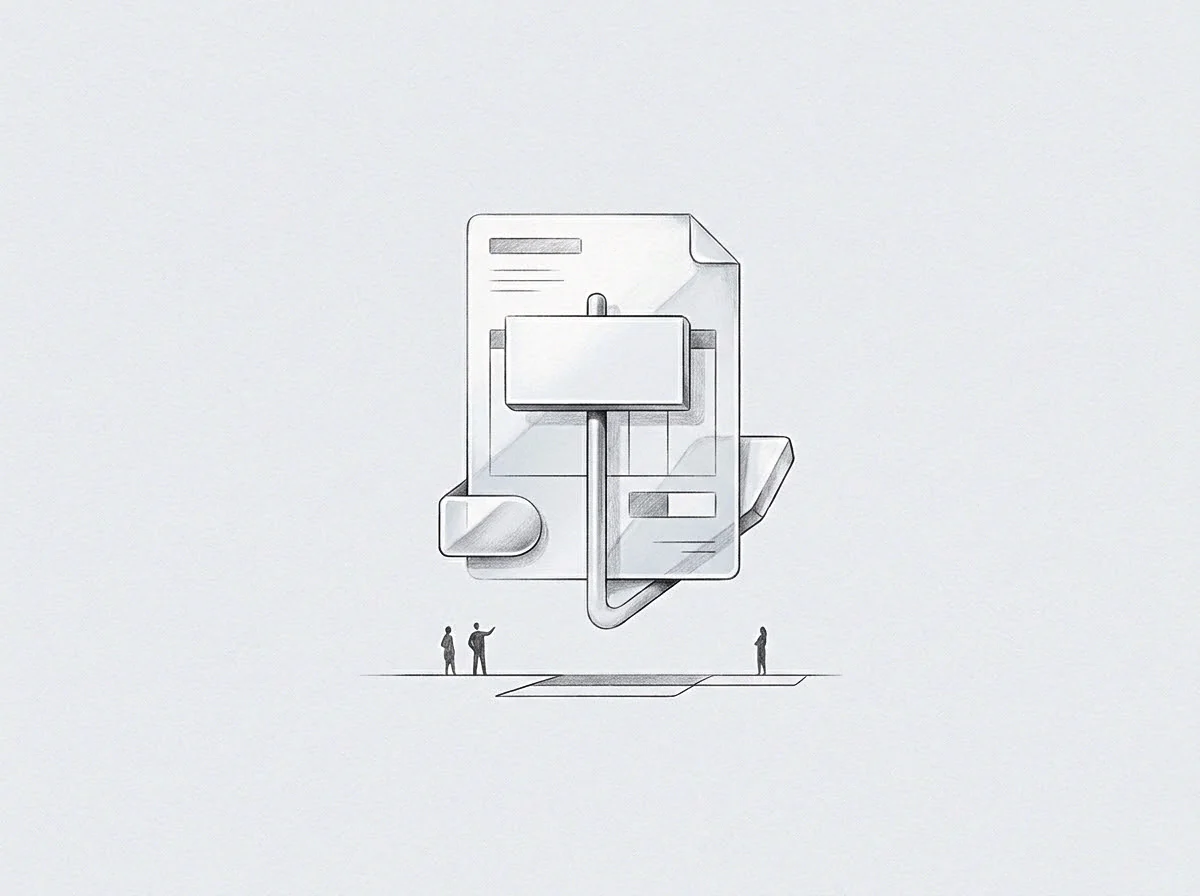
Where Does Operational Authority Shift During Handover?
Operational authority transfers through the formal delegation of decision rights, technical repositories, and system access credentials. Transferring root system credentials and primary incident response rotations away from the founder marks the operational point of separation. True decoupling occurs when the founder no longer holds active primary on-call access for production deployments.
Systemic friction increases with scale. Technical architecture outlasts individual technical effort. When the founder steps back from direct code reviews, decision rights move to designated principal engineers who assume full accountability for architectural stability.
The founder assumes an advisory posture, evaluating system outputs against stated performance criteria rather than reviewing line-by-line code contributions.
The formal transition terms specify that all production deployment approvals belong exclusively to the incoming engineering lead, disabling direct founder commit access to core software repositories.
Vault
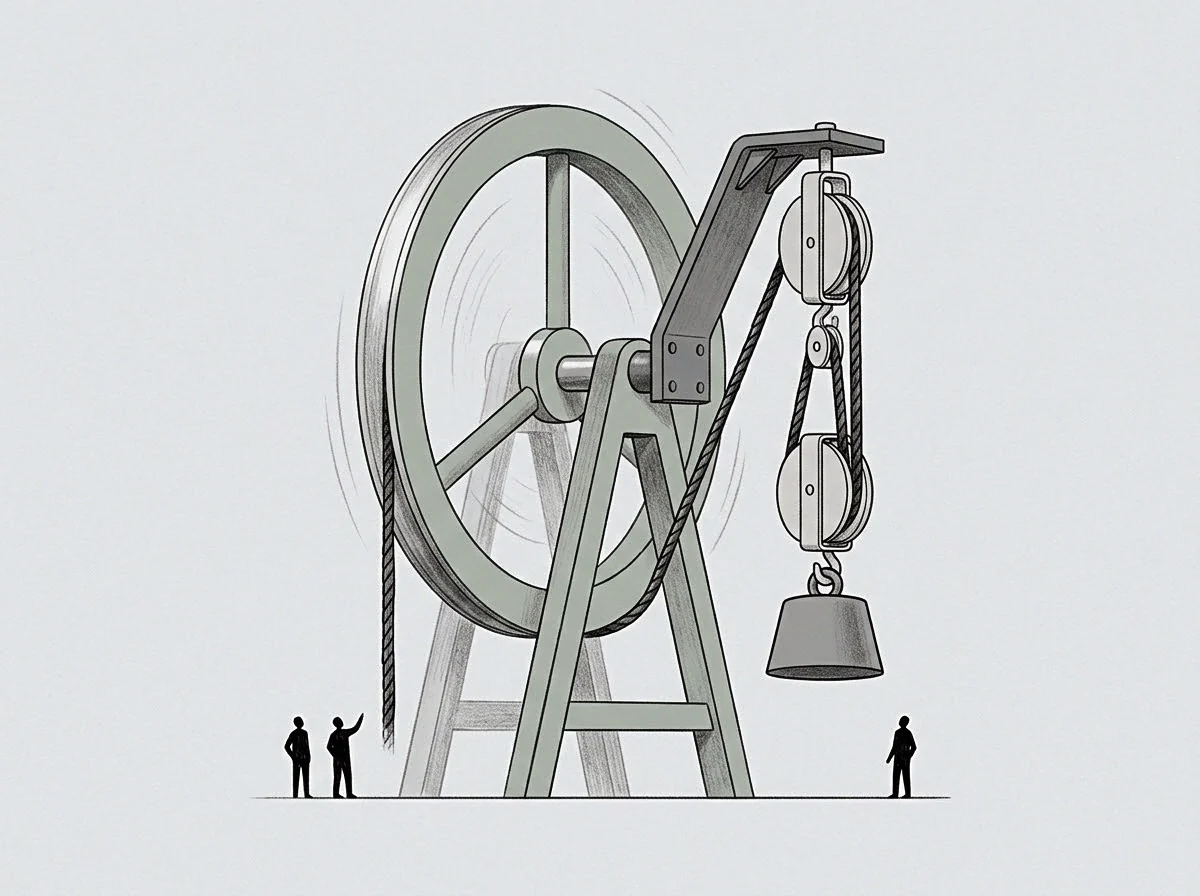
Codification of Tacit Knowledge Assets
Extracting implicit knowledge from a technical founder requires systematic documentation of architectural rationale, diagnostic sequences, and operational routines. Tacit knowledge accumulation happens naturally during early system construction, storing critical context within the founder’s memory. Converting this implicit storage into an explicit organizational vault requires structured interviewing, system tracing, and shadow operations.
System documentation must focus on decision histories and diagnostic heuristics rather than simple syntax references. Understanding why a specific database schema was selected, or how a legacy queue handles traffic bursts, enables incoming technical leads to manage systems without relying on founder guidance. The codification process transforms personal technical memory into shared organizational capital.
- Founder conducts live system modifications while an external technical recorder notes diagnostic choices, environmental checks, and tool invocations.
- Technical recorder converts live observations into standardized incident remediation playbooks and architectural decision records.
- Incoming technical lead executes diagnostic routines independently using only the draft documentation while the founder observes silently.
- Gaps identified during independent execution trigger direct updates to the documentation vault until operational parity is achieved.
- System credentials, access keys, and repository ownership transfer completely to the incoming lead upon successful completion of independent testing.
Operational decoupling matures as the codification process reaches completion across all core technical domains. The founder moves from direct execution to structural governance, evaluating team performance through metrics rather than direct intervention.
Every seat carries distinct costs. The time spent documenting tacit routines reduces immediate technical output in the short term, yet buys structural durability for the organization over the long term. Capacity limits govern operational scale.
An enterprise cannot expand beyond the cognitive capacity of its core operational bottleneck; decoupling removes the technical founder from that central bottleneck position.
Continuous documentation of emergency heuristics transfers operational resilience from individual memory to team systems.
Weight
Economic Equilibrium and Structural Capacity Costs
Structural role decomposition alters the economic balance of the firm, replacing unpriced founder labor with explicit market-rate managerial and technical roles. During early operating phases, technical founders absorb enormous operational workloads without charging market wages for each specific role occupied. This informal absorption creates an illusory margin, masking the true operational cost of building and maintaining enterprise software systems.
Operational decoupling reveals these hidden labor costs by requiring the firm to hire dedicated engineering managers, system architects, and operational specialists. The payroll expands as explicit roles replace informal founder labor, reducing net operating margins in exchange for structural stability and scalability. The firm trades artificially high short-term margins for long-term operational durability.
Replacing unpriced founder labor with explicit organizational roles exposes true operational costs while building enterprise scale.
The founder’s personal capacity shifts from operational execution to strategic growth, capital allocation, and governance design. The physical desk changes as technical artifacts give way to governance charters, equity distribution plans, and multi-year strategic targets. Ownership remains with the founder, but operational execution moves entirely to dedicated professional management.
Partial decoupling creates severe organizational tension when a founder relinquishes technical titles while retaining informal veto power over daily engineering decisions. Incoming leaders find their authority undermined by implicit founder interventions, leading to executive turnover and structural confusion. Complete decoupling requires the founder to respect established role boundaries, operating strictly within the formal mandates of the Owner or Board seat.
What structural mechanisms prevent a technical founder from reclaiming operational control during high-severity system incidents after formal role separation has closed?