Meaning
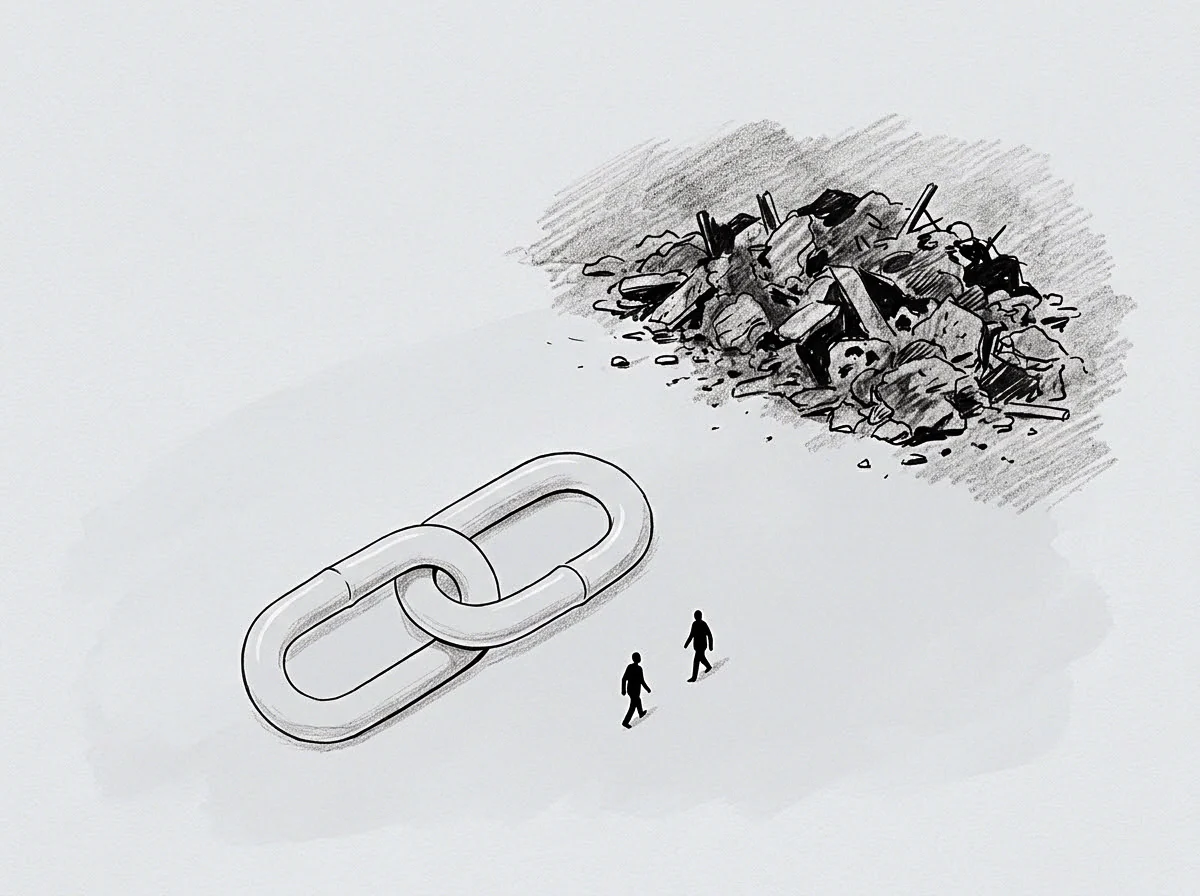
A structural reduction in the weight of a specific vote occurs when new stakeholders or governance layers enter an organization. In many cases, authority dilution becomes a consequence of bringing in external board members who hold veto powers over operational choices. The process divides the final word among several parties who may have diverging priorities regarding the long-term direction of the company.
It applies to any corporate entity with a multi-member governing body but stops being relevant once a single owner regains absolute control through a buyout.
Decision Fragmentation
Multiple layers of approval often replace the unilateral choices of a single leader during the expansion of a firm. This fragmentation of authority dilution slows the speed of execution because the person in the seat must persuade a committee rather than simply acting on a conviction. When stakeholders possess different risk tolerances, the resulting friction creates a cost in time and energy for the founder who remains in an executive role.
Board Composition
Changes in the membership of a governing body directly alter the distribution of power within a corporation. These shifts often happen during a series A or series B funding round when investors demand a seat to protect their capital. The presence of professional directors introduces a formal rigor that limits the informal influence a founder once exercised over the daily operations of the team.
Control Cost
The psychological and operational burden of losing absolute power is a frequent reality for people who stay with their company after an exit or a major investment. A founder who experiences authority dilution pays a price in autonomy and may find that their original vision is compromised by the demands of the new majority. This transition requires a shift in identity from an owner who dictates terms to a partner who negotiates them.