Meaning
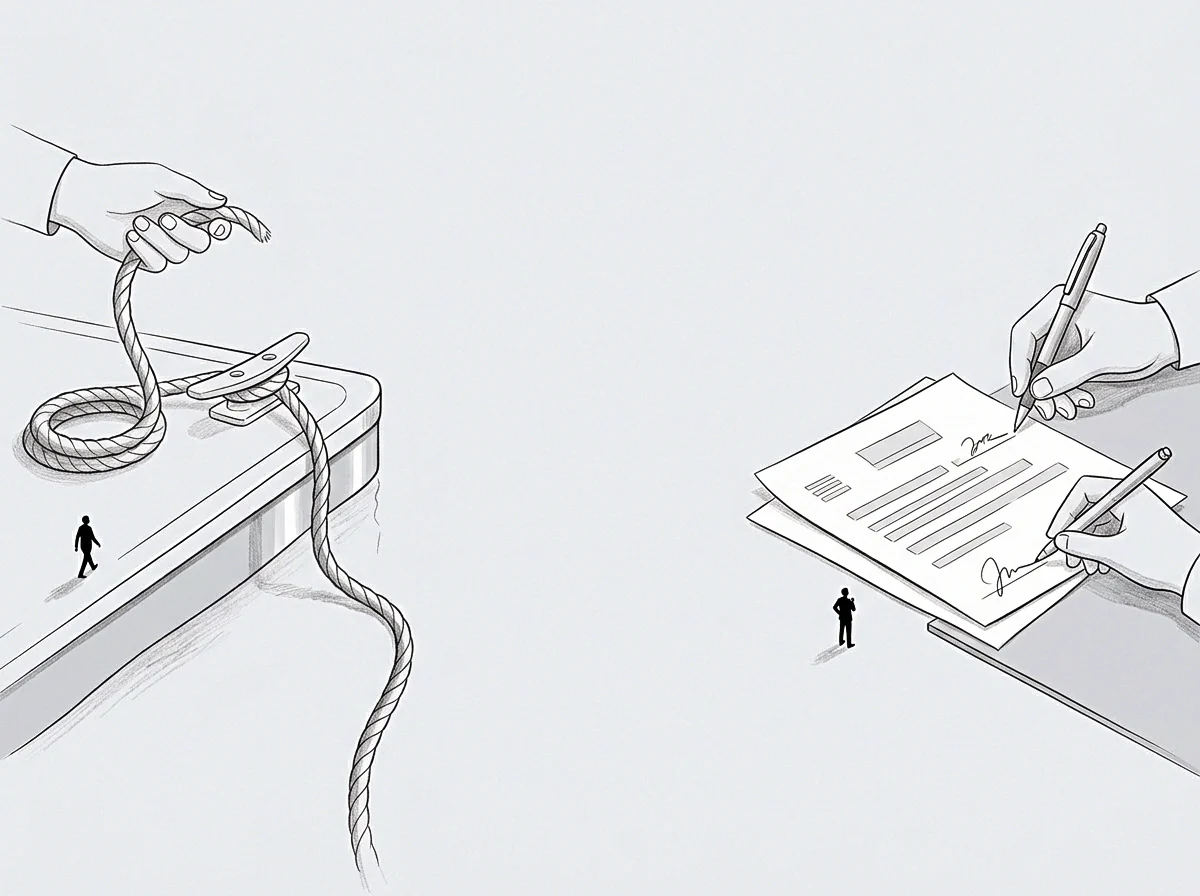
Organizational erosion describes the gradual weakening of oversight mechanisms and the abandonment of formal procedures over time. When governance decay occurs, the rules that once ensured quality and compliance are ignored in favor of speed or convenience. This process often starts with small exceptions to the rule and eventually leads to a systemic failure of control.
Standard Drift
Minor deviations from established protocols become the new unofficial norm within the team. As governance decay progresses, the gap between the formal policy and the actual practice widens. This drift is often invisible until a crisis reveals that the safeguards are no longer functioning.
Oversight Gap
Monitoring activities become less frequent as the leadership focuses on growth at all costs. In an environment of governance decay, the reporting lines become blurred and accountability for failures is lost. The cost of this erosion is an increase in legal and operational risk.
Without regular audits and reinforcement of the standards, the organization becomes vulnerable to fraud and error. The solution requires a deliberate reinvestment in the systems of control and a cultural commitment to adherence.
Compliance Failure
Regulatory and internal requirements are eventually missed when the governance structure breaks down. This can result in fines, loss of reputation or the total collapse of the business model. Professional management must constantly fight against this decay by renewing the mandate for oversight.