Meaning
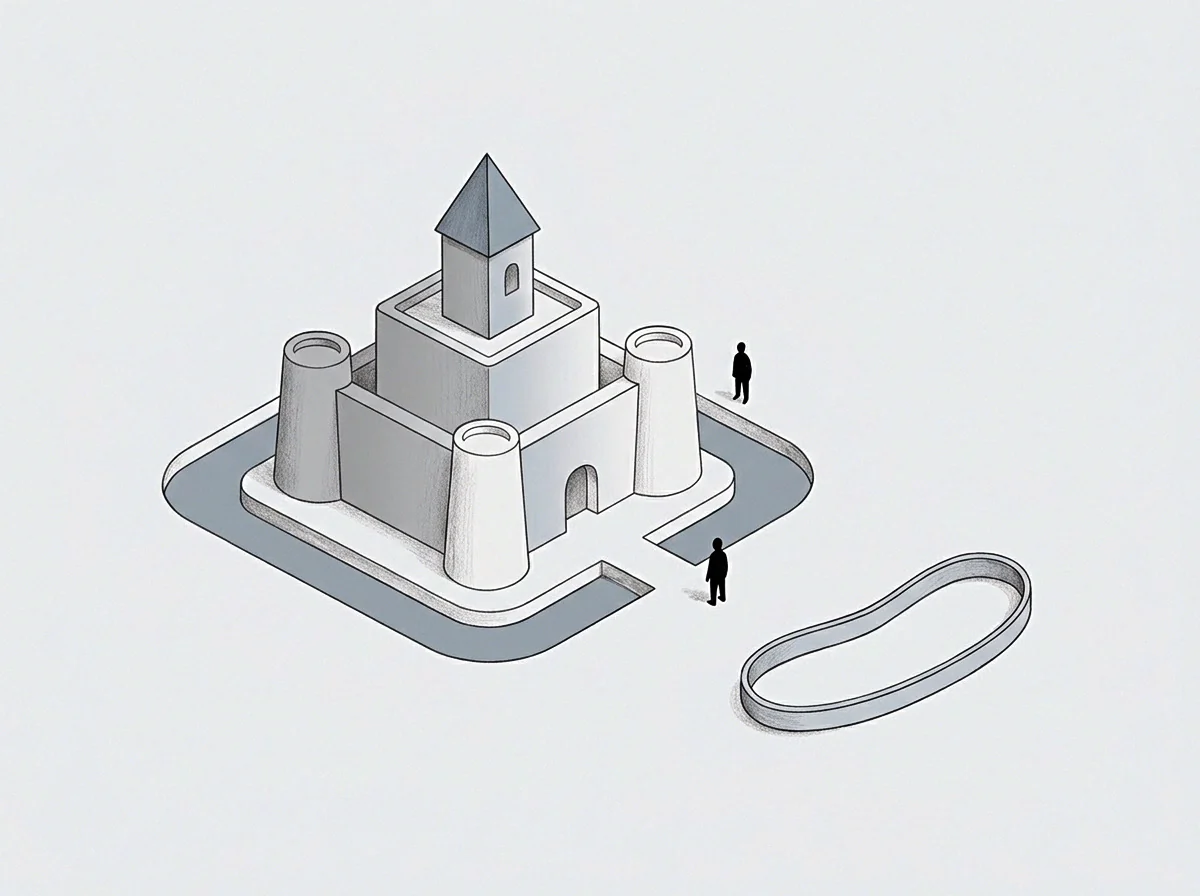
Structural degradation of position limits occurs when formal operational definitions dissolve, leaving founders operating simultaneously across distinct functional roles. Governance auditors identify informal role boundary collapse to diagnose operational inefficiency and accountability drift in mature organisations. The scope of this concept addresses overlapping role execution, excluding formal structural mergers or planned job expansion.
Role Erosion
Operational clarity disappears when business founders routinely bypass middle management to handle frontline technical issues directly. Experiencing informal role boundary collapse causes confusion among staff regarding authority, escalation paths and decision ownership. Line managers find their authority undermined when founders make off-the-cuff operational decisions during informal conversations.
Restoring clear position descriptions and communication rules stops executive encroachment into operational territory.
Operational Intrusion
Founder habits from early startup phases often persist past the point of organizational efficiency. Unchecked informal role boundary collapse encourages senior executives to absorb low-level tasks, displacing time meant for long-term corporate governance. Staff members begin escalating minor operational problems directly to the founder, bypassing established managerial hierarchy.
Enforcing strict communication channels and decision limits protects executive capacity from operational intrusion.
Governance Loss
Dissolving structural limits impairs corporate governance by blurring the distinction between oversight and execution seats. When informal role boundary collapse becomes persistent, board members and investors lose clear visibility into managerial performance. The lack of distinct role boundaries prevents accurate evaluation of both executive strategy and operational management.