Meaning
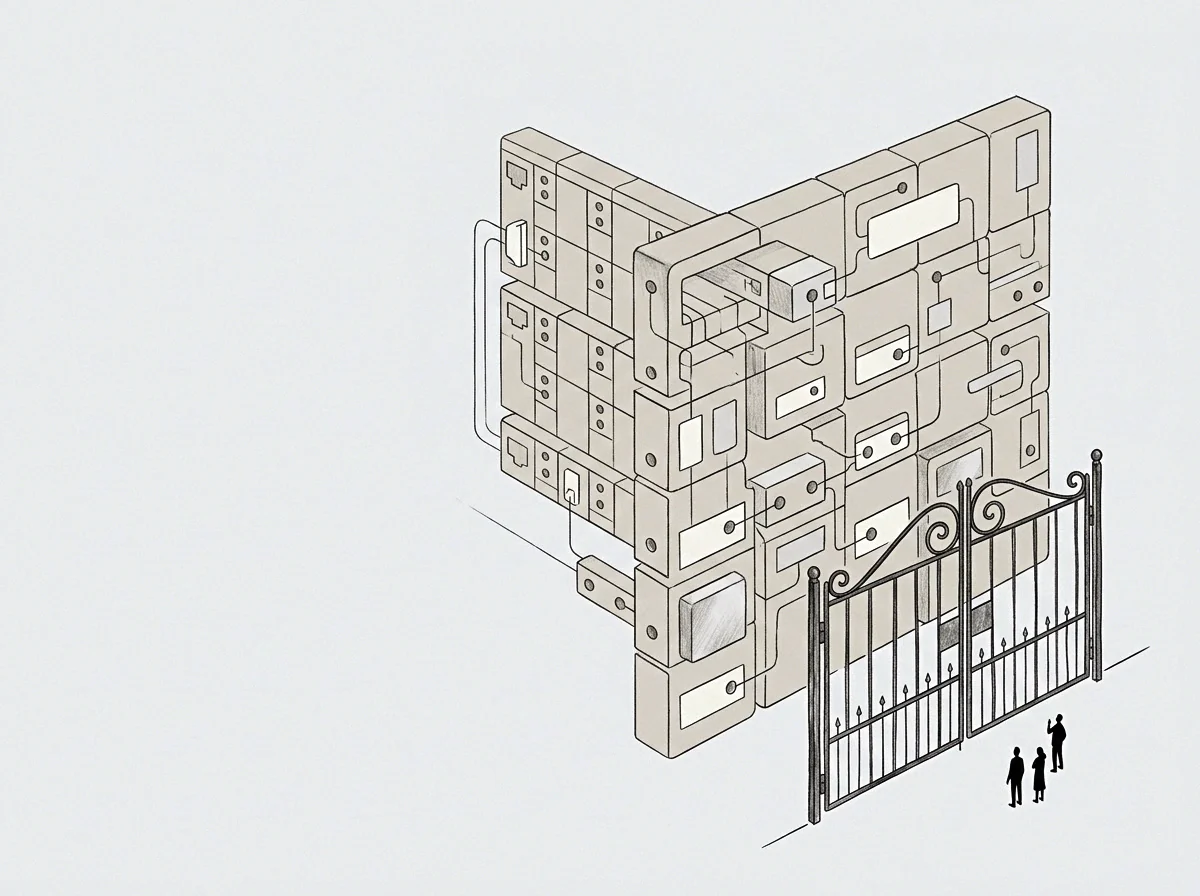
Accumulations of inefficient processes or temporary fixes create a burden that hinders future agility. Persistent operational debt arises when speed is prioritized over scalable systems during the early stages of a venture. This concept measures the gap between the current state of a workflow and the optimized state required for long-term efficiency.
It stops being relevant once a system is retired or fully refactored to current standards.
Maintenance Cost
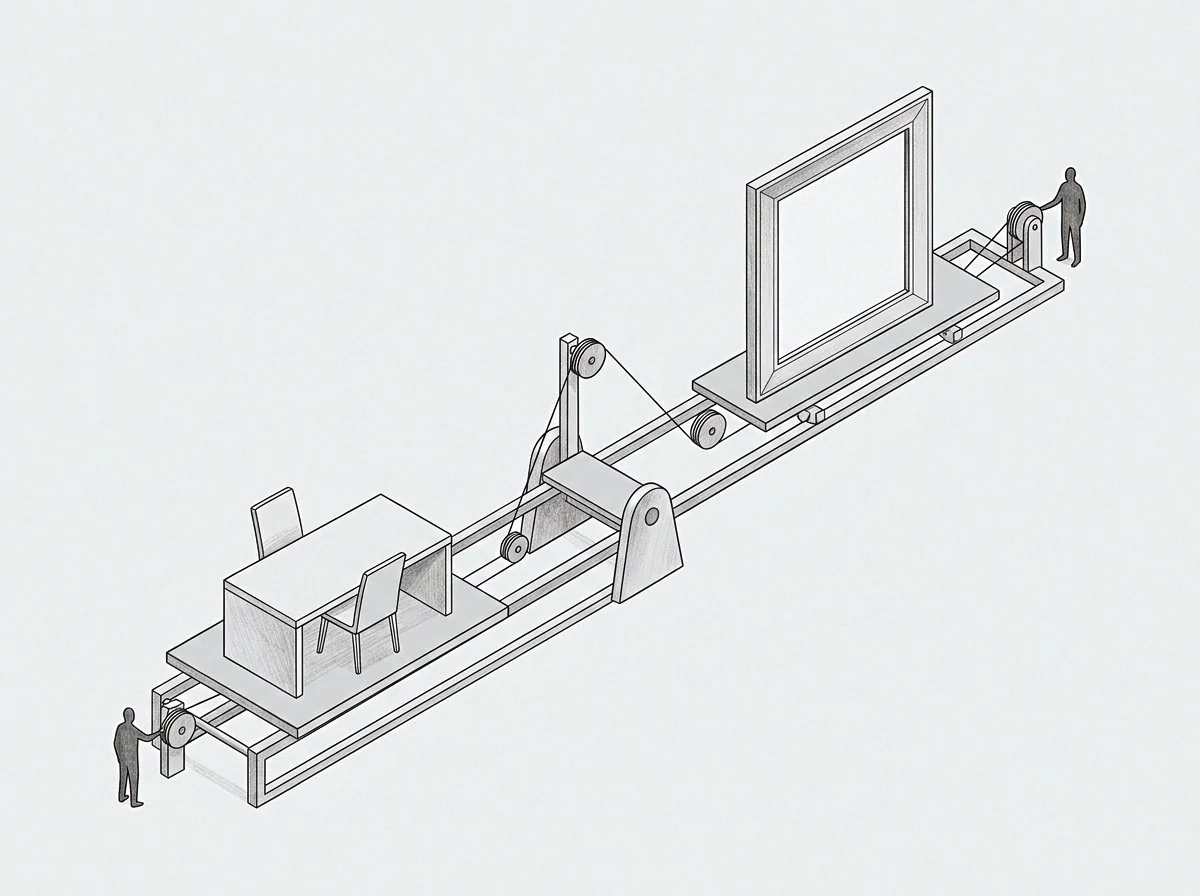
Keeping flawed systems running consumes a disproportionate amount of time from the technical team. This aspect of operational debt forces the person in the operator seat to perform repetitive manual tasks that should be automated. The hours lost to these activities represent a direct drain on the capacity of the organization to innovate.
Process Drag
Complexity increases as more patches are added to a failing structure. Every new initiative must navigate the friction caused by existing operational debt. This leads to a slower pace of execution and a higher error rate in daily tasks.
The cost of this friction is measured in the frustration of the staff and the delay in reaching market milestones.
System Fragility
Unresolved issues make the entire organization vulnerable to unexpected shocks. High levels of operational debt mean that a small failure in one area can cascade through the business. Strengthening the foundation requires a deliberate investment of capital and energy to replace outdated methods.