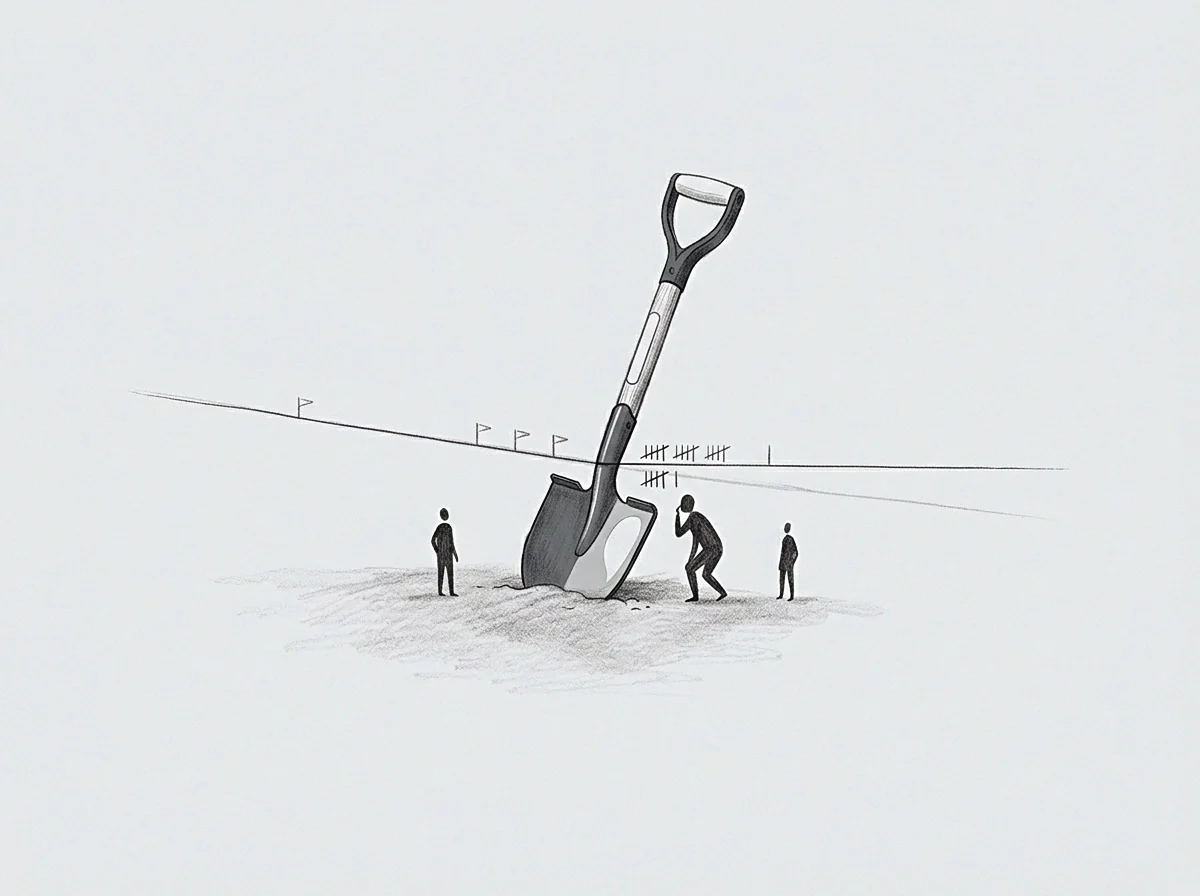
Meaning
Institutional instability arises when a person occupies two distinct professional functions that mandate incompatible decision criteria. This phenomenon known as role collision generates a predictable deficit in operational capacity because the subject must constantly adjust their analytical framework to meet diverging expectations. Authority over capital allocation often clashes with the responsibility for daily product maintenance during these overlapping periods.
Operational Friction
The primary mechanism for this friction involves the rapid switching of cognitive contexts. A founder transitioning between an executive oversight role and a hands-on technician position experiences a degradation in focus that reduces the volume of work finished in each seat. Every hour dedicated to correcting a technical error subtracts from the time needed for long-term strategic alignment.
Resource planning suffers when one person acts as both the advocate for immediate output and the arbiter of fiscal caution.
Capacity Decay
Constant movement between conflicting priorities consumes mental energy at a rate that exhausts the individual prematurely. Decisions made under these conditions frequently favor short-term patches over sustainable architecture because the urgency of the technical seat drowns out the stillness required for structural planning. Prolonged exposure to this state prevents the formation of clear performance metrics for either function.
Systemic Boundary
Effective management of these tensions requires a physical separation of desks or a formal handover of responsibilities. Separation stops the immediate overlap and allows the person to commit fully to one specific set of institutional objectives. When functions remain bonded within a single pair of hands, the failure to produce consistent results becomes a permanent feature of the organizational structure.