Meaning
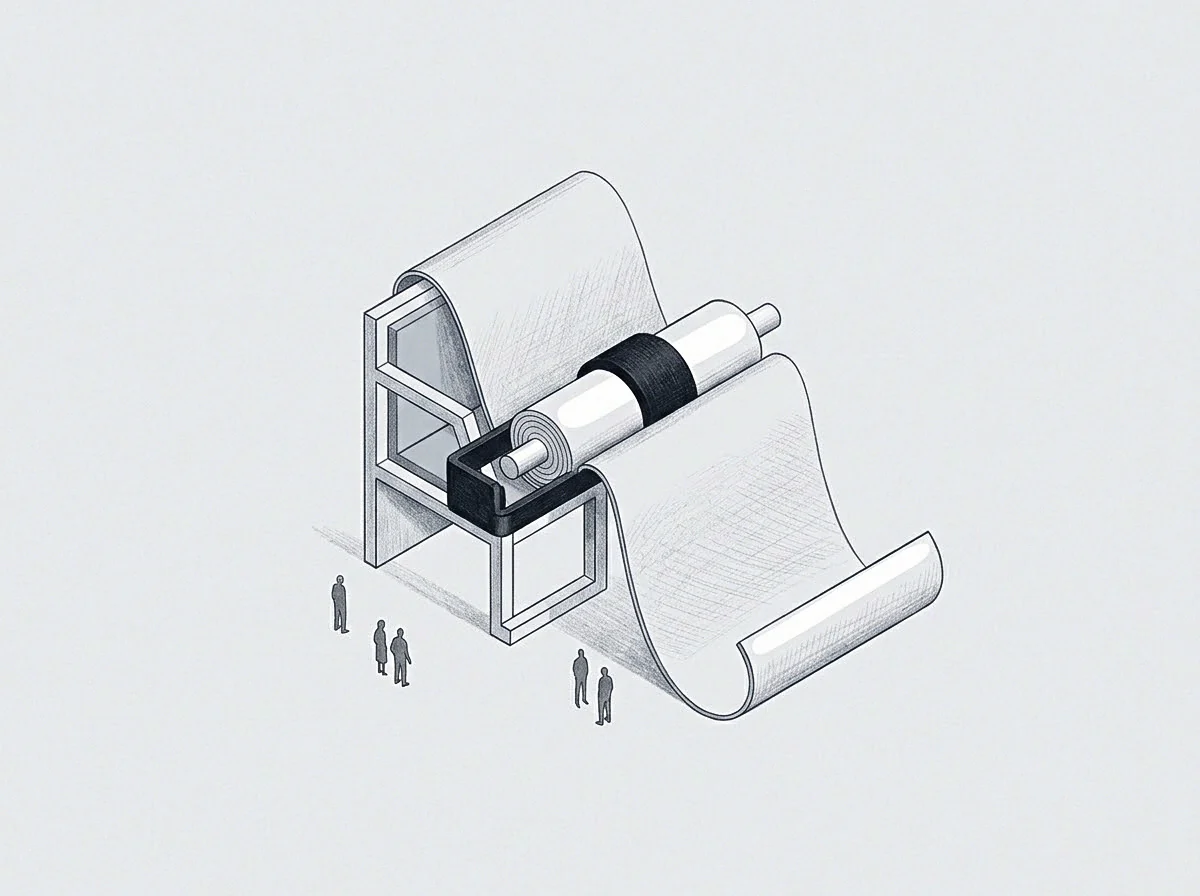
Measure of the number of distinct functional responsibilities or professional titles held by a single individual defines this ratio. High role density is common in the early stages of a startup where the founder acts as the primary salesperson and the lead engineer. This metric tracks the level of specialization within an organization and indicates the degree of risk associated with a single person.
Responsibility Overlap
When one person occupies multiple seats, the boundaries between their duties often become blurred. This overlap makes it difficult to track the time and energy spent on specific tasks. The person in the seat must constantly switch between different types of thinking, which increases the cognitive load and reduces overall efficiency.
As the company grows, this lack of specialization becomes a major obstacle to scaling the operations.
Cognitive Strain
Managing several roles at once requires an immense amount of mental energy. The individual must hold the context of multiple departments in their head at all times. This strain leads to rapid exhaustion and a decrease in the quality of decision making across all functions.
Over time, the person may become a bottleneck, as they are unable to keep up with the demands of so many different positions.
Organizational Maturity
The density of roles typically decreases as the company hires more specialized staff. This shift allows the founder to move out of the technician and manager seats and into a more strategic role. Success depends on the ability to hand over these responsibilities to others.