Meaning
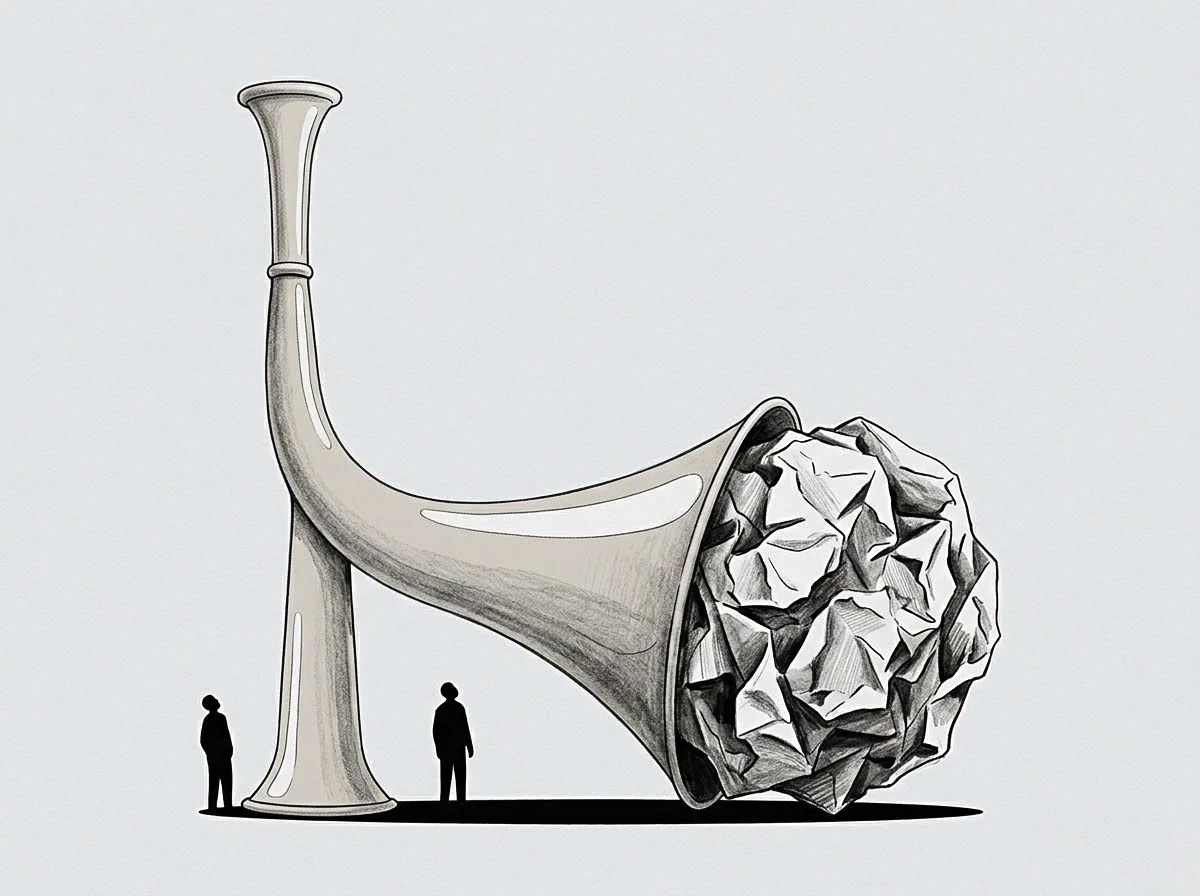
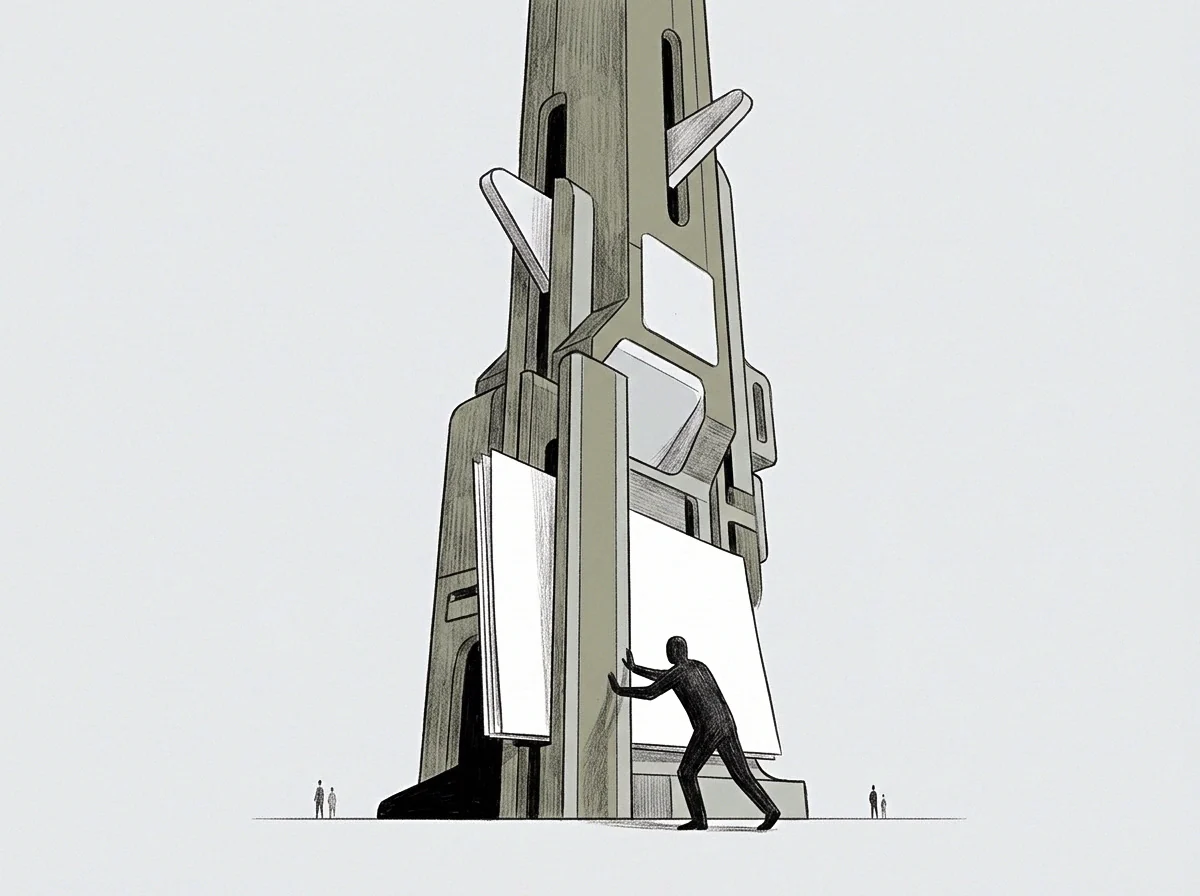
Direct manual engagement with product assembly or infrastructure repair defines the technician seat inside a growing enterprise. Founders who occupy this station retain total control over output quality through personal labor while halting the expansion of organizational capacity. Operational bottlenecks appear whenever the calendar fills with execution tasks rather than structural design.
The position exacts a heavy toll in hours and attention because output remains strictly bounded by physical endurance.
Daily Friction
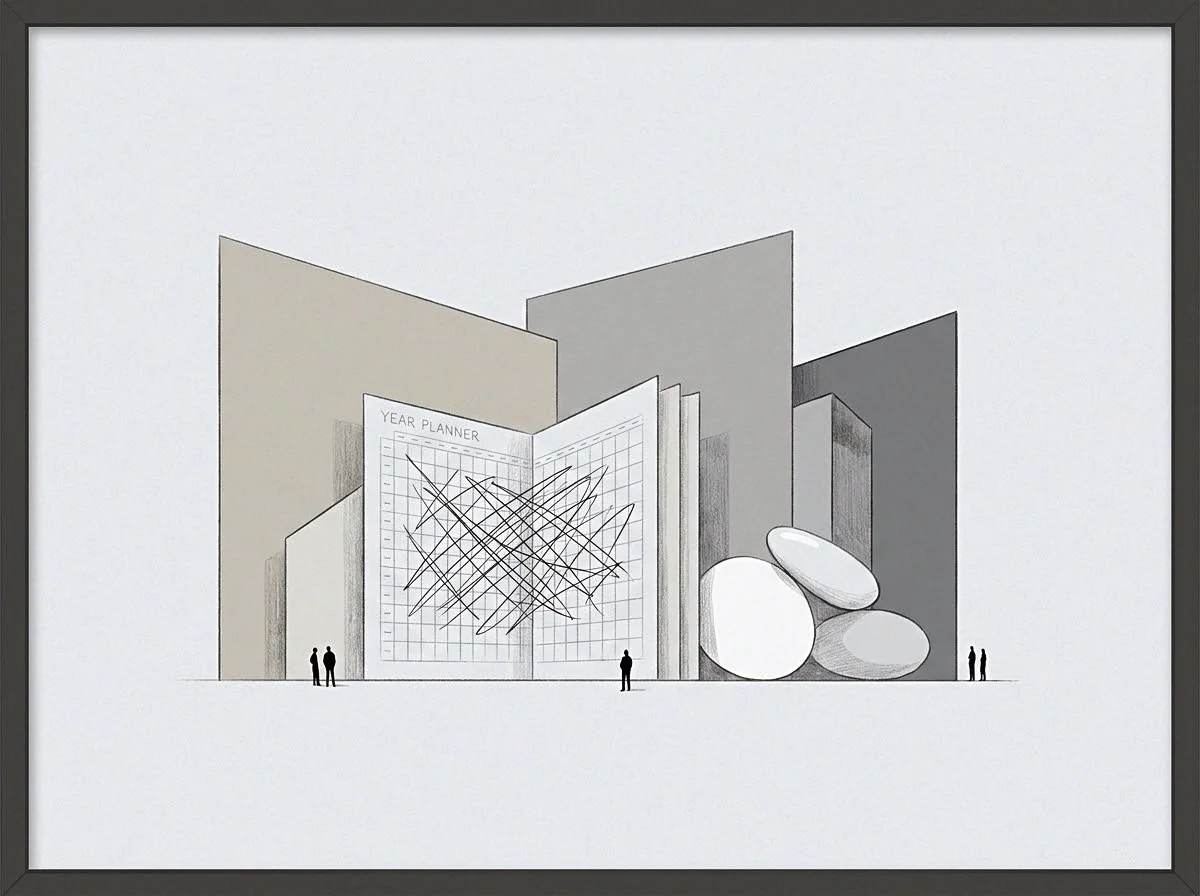
Execution demands crowd out managerial responsibilities when founders anchor themselves to production duties. Daily schedules fracture under incoming requests for technical troubleshooting from staff members and clients alike. Attention shifts entirely to immediate firefighting, which prevents the formulation of long term strategy.
Administrative duties slip into evening hours, leading directly to exhaustion and diminished cognitive sharpness.
Economic Drain
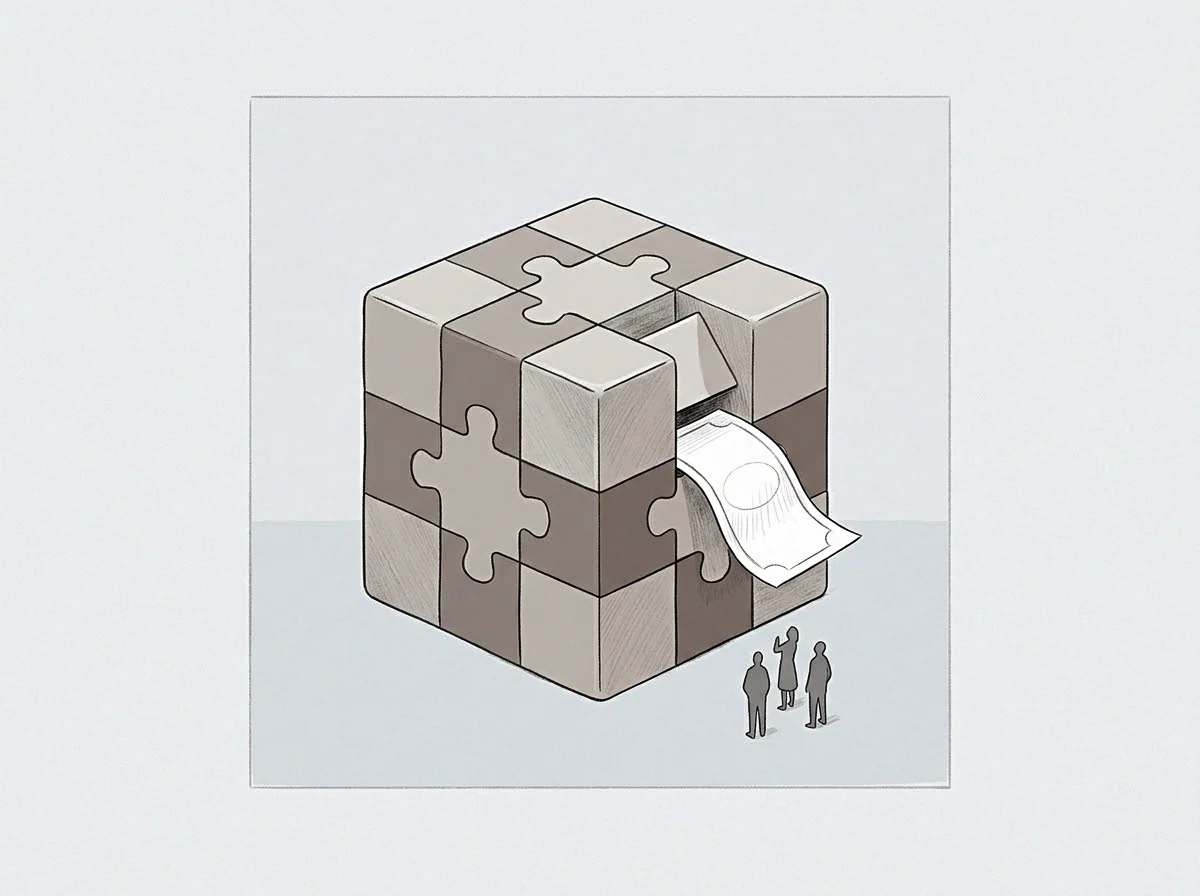
Personal labor substitutes for a paid specialist while masking the true unit economics of the firm. Founders miscalculate enterprise profitability by treating their own time as a free resource rather than an allocated asset. Hiring stalls because the incumbent refuses to delegate tasks that provide immediate personal comfort and familiarity.
Revenue caps emerge automatically since one person cannot scale production beyond physical limits.
Structural Exit
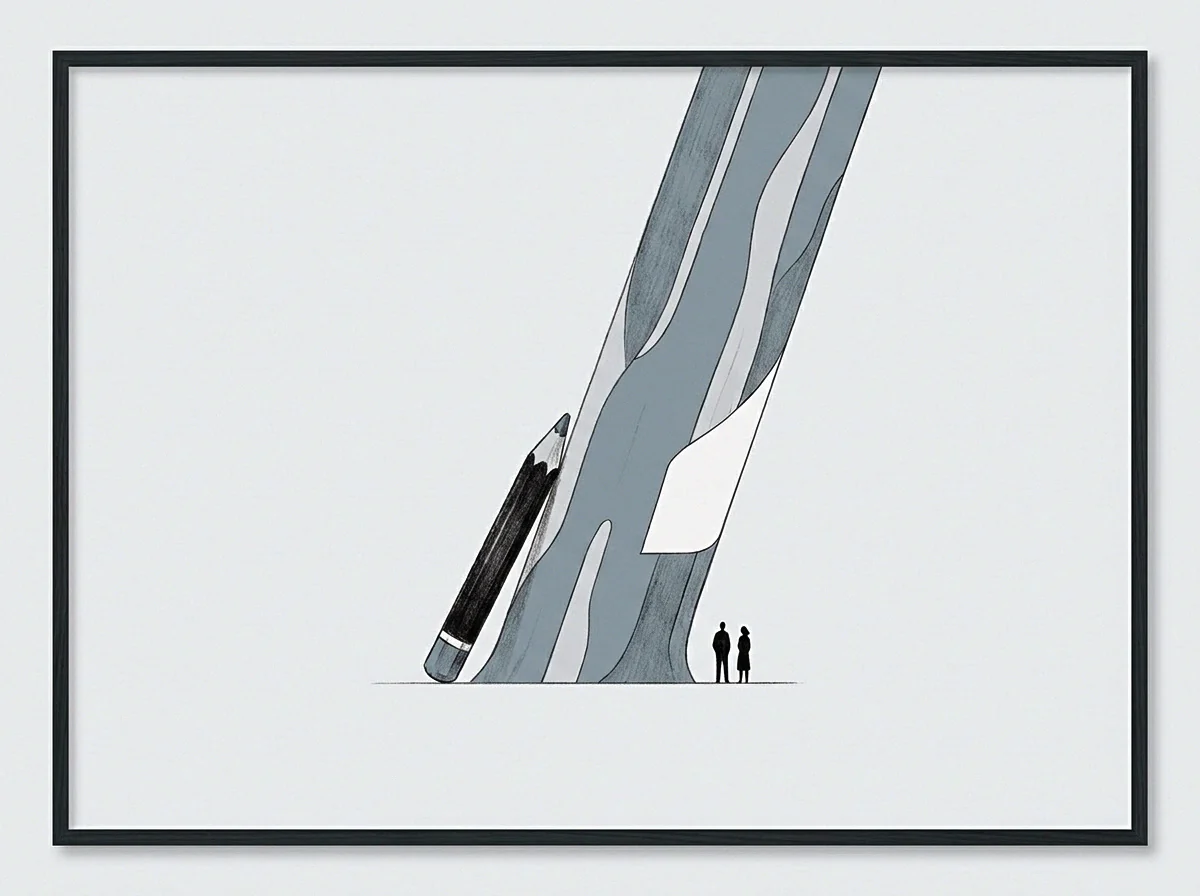
Transitioning away from execution requires codifying tacit knowledge into explicit operational procedures. Standard operating documentation must precede any delegation of technical responsibilities to incoming staff. Delegation fails completely unless management establishes strict quality control metrics and review intervals.
Enterprise valuation depends entirely upon removing the founder from daily operational dependency.