
Measuring Capacity Decay and Tacit Knowledge Leakage Across Multi Stage Executive Account Succession Sequences
Executive account capacity decays predictably during multi-stage handovers when unwritten relational context fails to transfer alongside explicit administrative systems.

Seat
An executive managing a tier-one enterprise account sits at the intersection of commercial contract and unwritten relational history. When that executive prepares to leave the seat, the transition exposes how much revenue stability rests on explicit agreements versus uncodified personal rapport. Multi-stage account succession sequences attempt to transfer this responsibility over designated calendar windows, yet account capacity drops the moment the transition opens.
Account managers absorb unstated commitments daily. The incoming successor steps into a schedule pre-populated with client obligations, but lacks the unspoken context that governed how those obligations were created, negotiated, and maintained.
The initial phase of executive account succession relies on visible administrative handovers. System credentials move across desks, key stakeholder organ charts are updated, and past account reviews are transferred into central repositories. Unrecorded promises create immediate revenue risk.
Beneath this administrative exchange, operational capacity degrades immediately because the outgoing executive spends working hours preparing historical briefs rather than driving live account momentum. The successor operates at reduced speed, validating every historical precedent before taking direct action.

The Handover Window and Immediate Account Volatility
Client communication during early succession stages reveals structural vulnerabilities within the account architecture. While formal project deliverables remain on schedule, informal decision-making channels stall. Implicit expectations carry heavy account volatility.
The departing executive holds mental maps of client risk tolerance, internal political dynamics, and unwritten service concessions granted during previous renewal cycles. When client inquiries arrive that fall outside standard operating agreements, the successor cannot resolve them without consulting the outgoing operator or escalating to senior leadership.
This dependency creates friction across the client management team. Response times lengthen for custom requests, client satisfaction scores dip during mid-transition reviews, and internal resource allocation becomes erratic. Early exits double operational escalation rates.
The outgoing executive, operating under a fixed exit timeline, reduces discretionary hours spent on proactive account growth, focusing instead on baseline task completion.
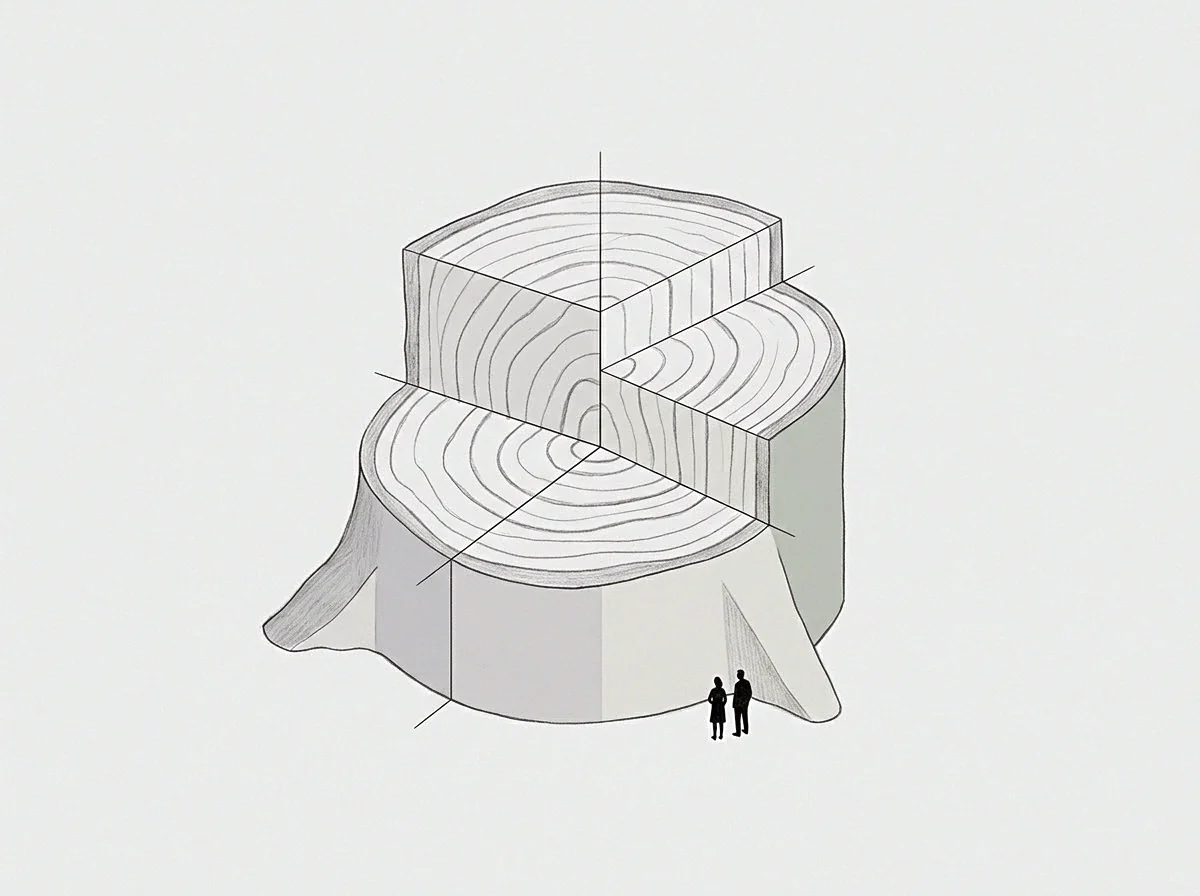
Early Phase Friction Points
Transition plans often divide executive account succession into distinct sequential phases, assuming linear capability transfer. Practice demonstrates that account capacity decays faster than knowledge can be codified. Overlapping tenure reduces initial communication loss.
The successor absorbs explicit account data quickly, but struggles to decode nuance in executive sponsor interactions during joint client briefings.
During joint account calls, the outgoing lead frequently answers subtle client questions automatically, bypassing the successor entirely. This reflexive behavior prevents the successor from building direct authority with client counterparts while masking gaps in the successor’s contextual understanding. The account maintains external stability while internal capacity quietly erodes under the surface of routine status reporting.
The transition plan looked complete on paper, but the client noticed that every unwritten decision now takes three days instead of three minutes.

Decay
Tacit knowledge leakage across multi-stage succession sequences follows a predictable decay curve. While explicit data, such as contract terms, historical billing, and open technical tickets, transfers with complete fidelity, tacit relational knowledge drops significantly at each succession boundary. Tacit knowledge resists standard document templates.
Unwritten understandings regarding executive preferences, non-standard discount allowances, and personal rapport stay anchored to the departing individual unless deliberately extracted through structured operational observation.
Capacity decay manifests as a reduction in effective account throughput. The newly assigned executive requires more time to execute complex account maneuvers, such as scope expansions or contract renewals, due to missing context. Explicit context prevents client trust decay.
When tacit knowledge leaks, the account consumes higher managerial overhead to produce identical business outcomes, reducing the net profitability of the commercial relationship.
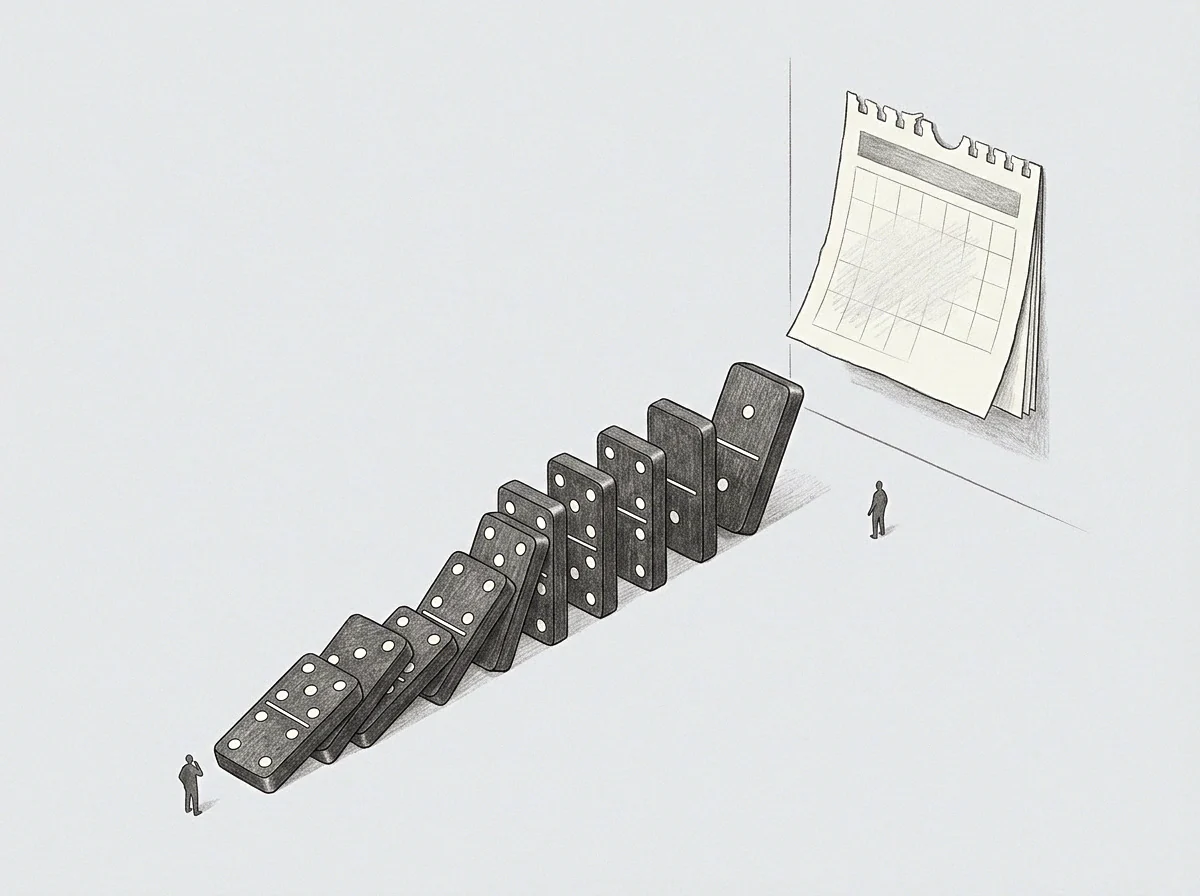
Quantifying Tacit Relational Knowledge Atrophy
Measuring tacit knowledge loss requires tracking performance deviations against historical account baselines. Key indicators include increased cycle times for executive approvals, rising client request clarification counts, and a decline in spontaneous client outreach. Executive transitions destabilize account governance routines.
When account history remains trapped in private email threads or unrecorded verbal agreements, the successor operates with incomplete operational frameworks, leading to defensive client management strategies.
Systematic extraction of implicit relationship context before primary ownership transfer limits post-succession revenue volatility.
The rate of knowledge loss accelerates when succession timelines are compressed. A multi-stage handover spread over ninety days provides adequate runway for explicit handover, but fails to capture rare operational edge cases. When an unexpected crisis or high-stakes renewal hits during the transition, the successor’s lack of historical context creates immediate operational vulnerability.

Where Do Unwritten Client Expectations Dissipate First?
Unwritten client expectations vanish during informal negotiation windows. In long-standing enterprise relationships, executive account leads establish verbal concessions, flexible delivery milestones, and informal escalation pathways that never enter official CRM records. Account health drops during unmonitored handovers.
These informal mechanisms allow accounts to navigate contract boundaries without formal amendments.
When the original account lead exits, the successor enforces written contract terms strictly due to ignorance of unwritten agreements. The client perceives this rigid alignment as a breach of implicit trust, triggering relationship strain. The resulting friction forces executive sponsorship intervention, diverting leadership capacity to restore account alignment.
| Succession Stage | Capacity Decay Rate | Tacit Knowledge Retention | Primary Operational Metric Deficit | Mitigation Protocol |
|---|---|---|---|---|
| Phase 1: Shadowing and Observation | 15 Percent | 85 Percent | Increased response latency on routine inquiries | Structured verbal history recording |
| Phase 2: Co-Management and Joint Execution | 35 Percent | 60 Percent | Redundant internal escalation and review cycles | Parallel decision simulation exercises |
| Phase 3: Primary Ownership Handover | 55 Percent | 35 Percent | Stalled upsell pipeline and contract expansion | Post-handover advisory safety net |
| Data reflects average performance variance across enterprise account handovers exceeding twelve months in duration. | ||||
Failure to capture tacit relational context during executive transitions results in permanent account throughput loss, elevated client churn risks, and inflated managerial oversight costs across subsequent operating quarters.

Trace
Codification scaffolds serve as temporary bridges between departing account executives and incoming successors. Standard documentation frameworks capture basic transactional histories, but fail to record operational taste, negotiation styles, and subtle client cues. Advanced succession protocols create traceable repositories of unwritten context by capturing historical account decisions alongside their hidden drivers.
Shadowing alone fails to transfer judgment.
Extracting this implicit layer requires moving beyond standard handover checklists. Capturing operational context demands structured reflective interviews, recorded account scenario reviews, and direct observation of high-stakes client interactions. Without these traceable artifacts, the successor spends months reconstructing operational context through trial and error, consuming executive attention and destabilizing client operations.
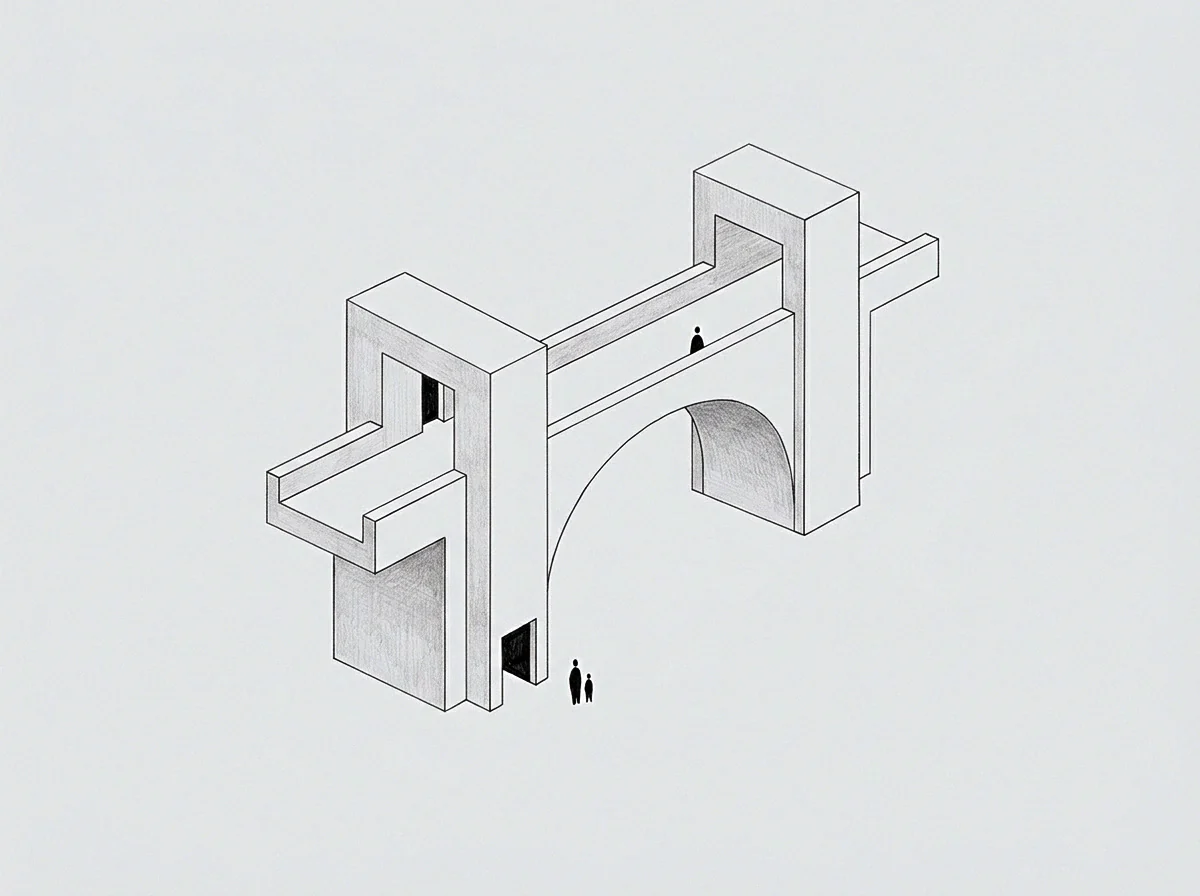
Codification Scaffolds and Knowledge Retention Boundaries
Codification reaches natural limits when applied to real-time executive judgment. While historical choices can be documented, the cognitive processes driving quick decisions during complex client negotiations resist simple categorization. Parallel execution exposes hidden workflow dependencies.
The successor must observe the outgoing executive navigating live client tension to understand how abstract strategy translates into verbal adjustments.
To capture these elusive elements, organizations implement structured debriefing sessions following critical client calls. The departing lead articulates why specific phrasing was chosen, which client anxieties were addressed beneath the surface agenda, and what concessions were positioned for future leverage. These debriefs transform fleeting operational moves into persistent educational assets.
- Shadowing Audits Conduct systematic observation of live client interactions to record unwritten negotiation patterns and non-verbal cues.
- Artifact Capture Document informal communication channels, unwritten service level agreements, and historical client preference logs into central repositories.
- Scenario Simulation Walk the incoming successor through complex historical account crises to evaluate decision speed and alignment with account strategy.
- Stressed Parallel Operations Assign primary client communication to the successor while the departing executive observes silently to validate real-time operational judgment.

Structured Observation Protocols
Observational protocols convert passive shadowing into active capability transfer. Rather than simply attending client meetings, the successor assumes specific operational responsibilities under direct supervision. Unwritten norms leave when operators exit.
This structured exposure forces the successor to generate solutions independently, while the departing lead retains authority to step in if account integrity is threatened.
Including a mandatory tacit knowledge extraction clause in executive transition agreements shifts the succession focus from simple timeline completion to verifiable operational capability.
The effectiveness of observational protocols depends on the departing executive’s willing participation. If incentives reward rapid exit over thorough capability transfer, the outgoing lead completes administrative check-boxes without engaging in deep context extraction. Aligning retention compensation with post-transition account performance protects tacit knowledge transfer.
The insertion of a mandatory sixty-day co-management clause tied to account retention metrics changes the exit cadence from an abrupt departure to a measured operational transfer.
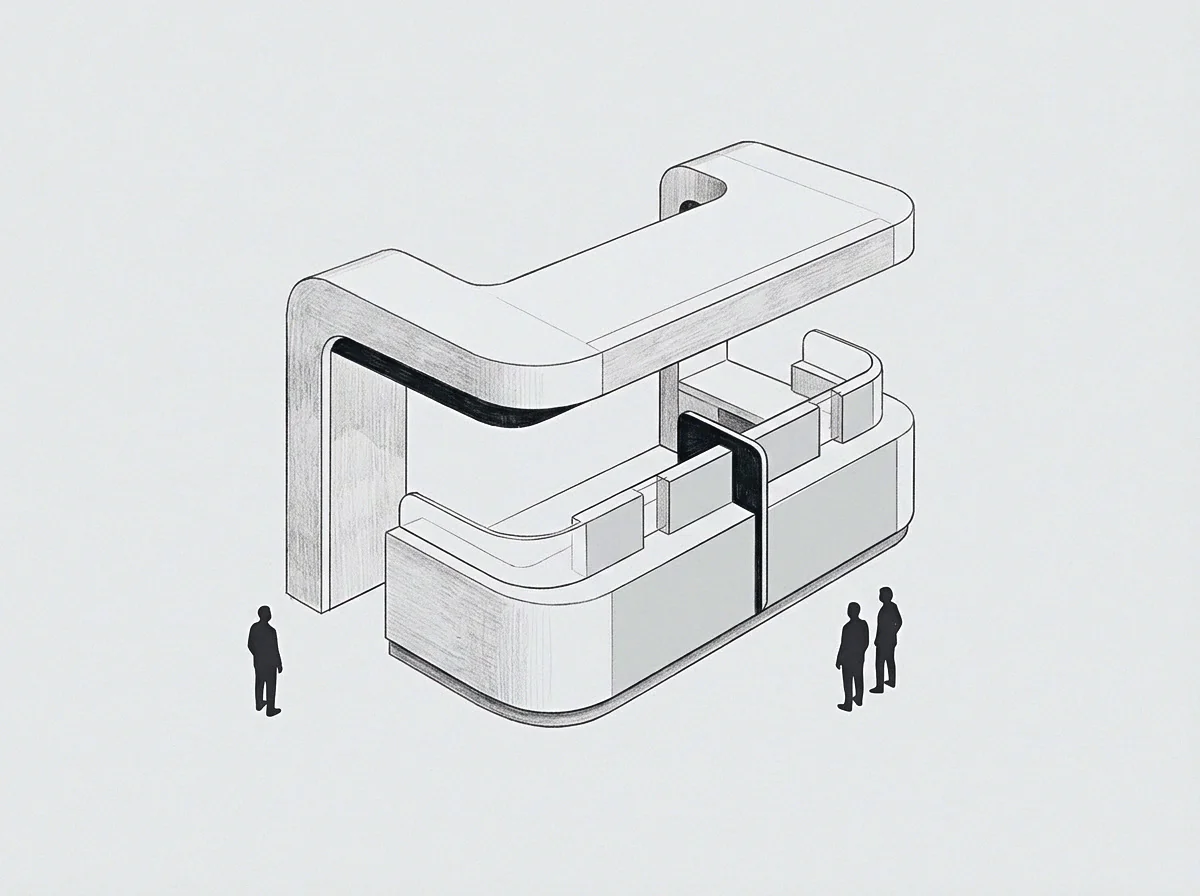
Span
Managing account capacity decay requires adjusting executive span of control during transition sequences. When an executive assumes a new tier-one account, effective management capacity is temporarily reduced due to the cognitive overhead of learning new context. Assigning a successor full operational account load immediately creates cognitive overload, leading to missed client signals and delayed execution.
Capacity loss measures lost account throughput.
Strategic capacity planning reduces normal account workloads during the transition window. Temporarily reassigning secondary accounts or administrative duties frees up cognitive capacity, allowing the successor to focus entirely on absorbing high-priority client context. As contextual mastery grows, standard operational span can be safely restored.

Capacity Arithmetic Across Consecutive Handover Stages
Capacity decay follows compounding dynamics across multi-stage executive account succession sequences. If a primary account lead exits while a secondary account lead is also transitioning, collective account capacity drops below operational safety thresholds. Consecutive handovers strain institutional support systems, increasing error rates across account operations.
Calculating capacity loss involves tracking total account output before, during, and after transition stages. Output metrics include proposal generation speed, issue resolution turnaround, and proactive client engagement frequency. Deviations from pre-transition baselines quantify the exact capacity drag imposed by the succession sequence.
Account capacity recovers only as fast as the successor internalizes unwritten operational context.
- Silent Escalation Inflation Successors frequently redirect routine client decisions to senior executive sponsors due to lack of historical authority, inflating organizational leadership overhead.
- Contextual Ambiguity Latency Unclear account histories force successors to spend extra time validating past commitments before responding to routine client requests.
- Relationship Arbitrage Drift Client counterparts leverage executive transitions to renegotiate standard terms, exploiting the successor’s unfamiliarity with past concessions.

Span of Control Reallocation Metrics
Reallocating operational span during account handovers protects core commercial revenue. Organizations must actively monitor successor workload metrics to prevent burn-out and operational oversights. Contractual terms anchor initial client stability.
Providing targeted analytical support and temporary account assistance ensures the successor maintains high-touch client engagement throughout the transition sequence.
Successor workload balancing requires clear operational metrics. Tracking weekly client touchpoints, resolution cycle times, and escalation rates reveals when an incoming lead reaches capacity limits. Adjusting account responsibilities based on real-time data prevents structural decay in key enterprise relationships.
Successors absorb account complexity best when operational workloads are throttled to match contextual mastery.

Graft
The final phase of executive account succession shifts focus from knowledge transfer to operational stabilization. The successor now holds full account ownership, while the departing executive exits the primary communication channel entirely. Final account grafting succeeds only if previous succession phases successfully transferred both explicit systems data and implicit relationship context.
Account capacity stabilizes as the successor establishes independent authority with client stakeholders.
Post-succession reviews validate whether tacit knowledge survived the transition intact. Organizations evaluate relationship health, contract renewal trajectories, and team sentiment six months following final handover. Identifying operational friction early allows leadership to deploy targeted support before account erosion impacts commercial performance.

Designing the Final Handover Threshold
Establishing explicit handoff thresholds prevents lingering dependencies on departing leads. Clear exit dates force the client and internal teams to direct all inquiries to the successor, cutting off informal communication loops with the former executive. Clear boundaries accelerate successor authority development and finalize account transfer.
Maintaining clear boundaries requires strict communication protocols. If clients continue reaching out to the former account lead, those inquiries must be redirected to the successor immediately without informal pre-clearance. This discipline reinforces the successor’s seat authority and breaks historical patterns of reliance on the departing lead.

Longitudinal Account Health Stabilization
Long-term account stability relies on continuous contextual refinement. The successor builds new tacit knowledge over time, establishing fresh operational norms and rapport with client counterparts. Executive account handovers destabilize account governance routines.
Systematic post-handover reviews capture fresh operational dynamics, ensuring the account remains resilient against future leadership transitions.
Post-transition account performance reflects the thoroughness of tacit knowledge capture during early handover stages.
Evaluating succession outcomes across multiple account lifecycles provides institutional insights for refining future handover frameworks. Tracking retention rates, capacity recovery speed, and client satisfaction metrics across succession sequences enables organizations to continuous upgrade executive transition playbooks. Systematic refinement transforms account succession from a high-risk operational disruption into a predictable business capability.
Longitudinal tracking across multi-year enterprise accounts shows that capacity recovery completes only when the successor successfully executes a major contract renewal without relying on historical executive intervention.