Meaning
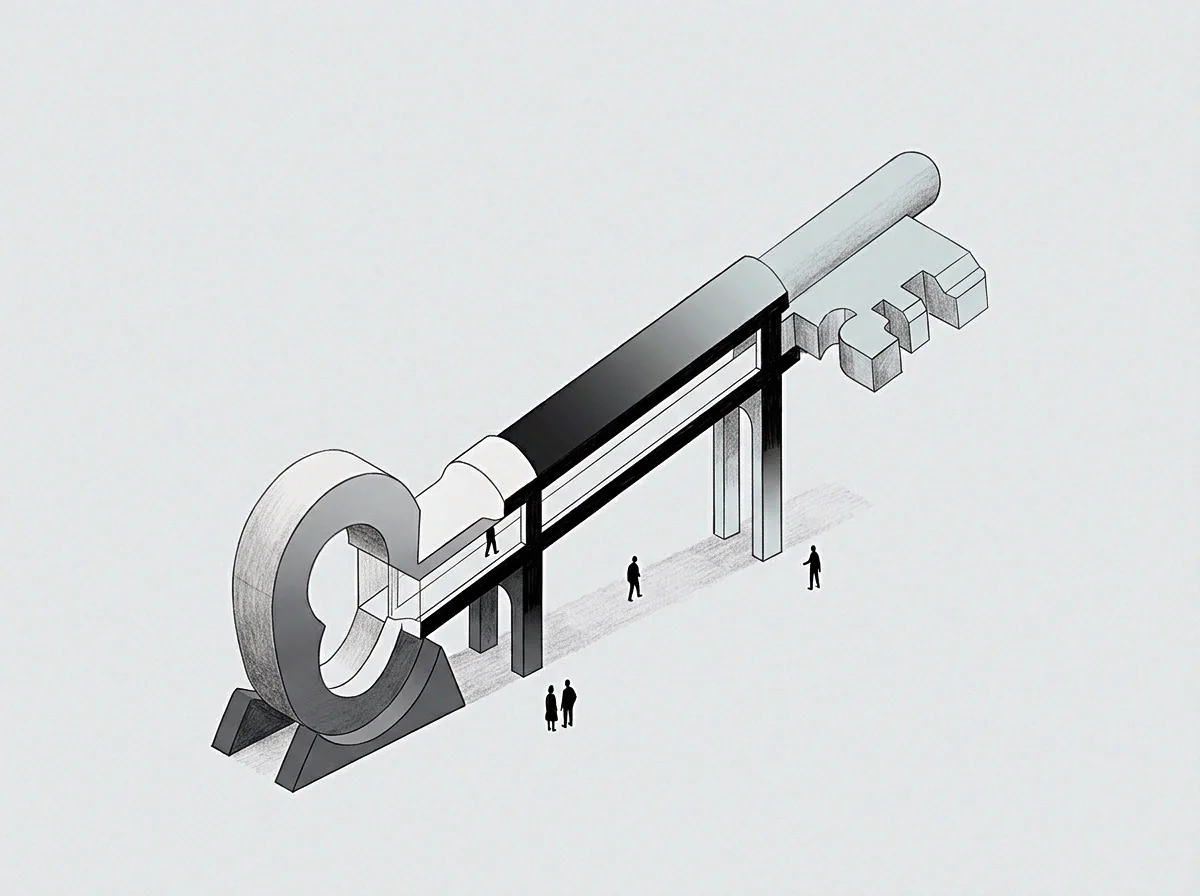
Structural capacity metrics quantify the total number of direct subordinates, functional teams or operational units reporting directly to a single manager. In scaling organizations, the span of control directly determines management efficiency, communication overhead and the depth of leadership oversight. It establishes structural limits on executive workload, preventing administrative bottlenecks and operational blind spots across the hierarchy.
The metric ceases to be useful in fully autonomous network organizations or flat co-operative structures lacking formal managers.
Management Breadth
Establishing the appropriate supervisory breadth depends on workflow complexity, team experience levels and the degree of operational process standardization. Narrow management spans allow deep mentorship, rigorous oversight and hands-on guidance for complex, highly variable technical workflows. Broad spans suit standardized, repeatable operations where self-directed teams require minimal daily supervisory intervention.
Balancing this structural metric prevents both overbearing micromanagement and dangerous managerial neglect across departments.
Capacity Strain
Excessive direct reports overwhelm executive cognitive capacity, turning managers into communication bottlenecks and stalling decision-making across teams. Overburdened leaders spend their entire workweek conducting routine one-on-one reviews, leaving zero calendar capacity for strategic planning or operational development. Critical operational blockers remain unresolved as direct reports wait days for managerial feedback and resource sign-offs.
The resulting executive exhaustion leads to leadership burnout, missed deadlines and high employee attrition across overloaded teams.
Scalability Limit
Organizational expansion requires regular restructuring of managerial spans to preserve operational velocity, team health and high-quality decision-making. Fast-growing companies must periodically introduce middle management layers, appoint team leads and subdivide bloated functional departments. The practical limit for direct managerial oversight of complex intellectual work remains bounded by human attention and calendar limits.
Structural management adjustments ensure that leaders maintain high-quality oversight without sacrificing their operational effectiveness.