
Neutralizing Legacy Influence In Private Business Management Transitions
Neutralizing legacy influence requires codifying decision rights, rerouting communication networks, and enforcing contractual governance boundaries.

Seat
An executive steps into an owner-managed firm with clear equity terms and a signed appointment, yet operational control remains tethered to the predecessor. Long-tenured vice presidents continue seeking Sunday evening phone approvals from the retired chief executive before signing supplier adjustments. The office layout changes, organizational charts update, and bank signatures transfer, but real organizational momentum stays tied to historical relationships.
Operating authority splits along invisible seams. The appointed leader holds official accountability for quarterly performance while the former chief executive retains effective operational direction through unmonitored communication lines.

Informal Access Structures and Dual Command
Staff members routinely route complex decisions around the appointed chief executive when historical escalation paths remain open. Predecessors who retain board seats or advisory titles often maintain direct lines to middle managers, bypassing official channels to evaluate strategy, critique vendor choices, or countermand capital expenditures. Title transfer fixes title alone.
The staff returns to habit. When an outgoing owner responds to informal employee inquiries, the organization operates under dual command, creating friction across every department.
Dual command undermines executive authority by signaling that management decisions remain open to informal appeal. Middle managers quickly learn to exploit split leadership, leveraging the predecessor’s views to stall initiatives introduced by the successor. The appointed leader faces persistent execution delays, as every operational shift requires negotiating both official management channels and informal founder consent.
| Governance Parameter | Clean Succession Architecture | Residual Legacy Presence |
|---|---|---|
| Operational Reporting Pathways | Single hierarchy routing directly to new executive management | Dual channels with informal escalation to predecessor |
| Approval Latency on Strategic Shifts | Standard evaluation cycle averaging five business days | Extended negotiation cycle averaging twenty-eight business days |
| Capital Allocation Autonomy | Full executive discretion within approved annual budget thresholds | Predecessor review required for non-budgeted operational expenses |
| Key Staff Turnover Rate | Stabilized near industry baseline after initial transition phase | Elevated among junior leaders navigating conflicting instructions |
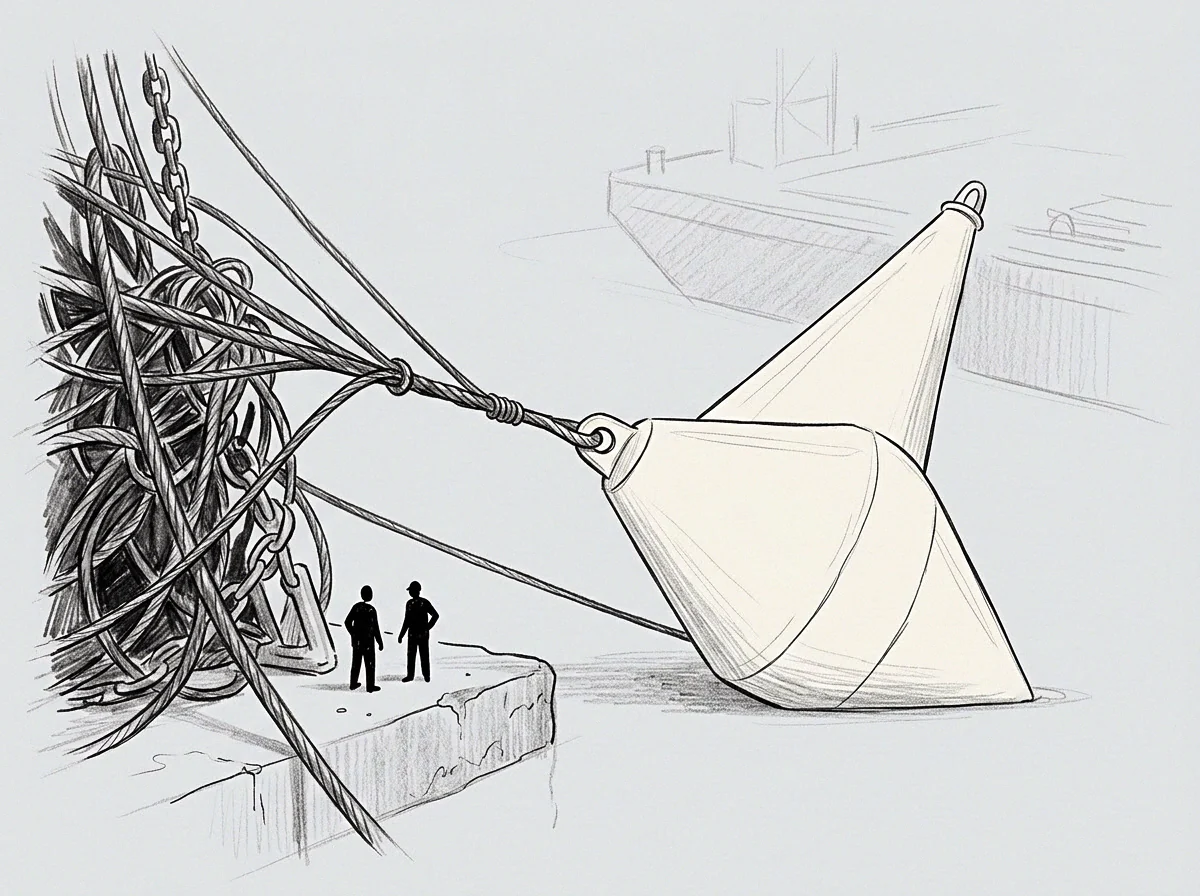
The Persistence of Uncodified Executive Vetoes
Unwritten authority operates through historical deference rather than formal contract rights. Outgoing owners who built private businesses across decades embed their personal taste into operational protocols, creating implicit standards that incoming managers violate unknowingly. Executive authority splits down the middle.
When a successor attempts to modernize software systems or shift client coverage models, the predecessor frames the change as a threat to company identity, using legacy prestige to mobilize internal resistance.
Uncodified vetoes freeze operational evolution. Managers hesitate to implement efficiency gains because historical customs carry greater weight than written policy directives. The predecessor continues attending client dinners, making informal pricing concessions that contradict current commercial strategy, and forcing operational teams to absorb margin reductions.
The organization loses administrative agility while maintaining the illusion of unified leadership.
The founder retains the real authority because thirty years of operational habit cannot be rewritten by a board resolution.

Channel
Neutralizing legacy influence requires systematic isolation of communication pathways and systematic codification of decision rights. Information flows within private businesses tend to follow historical personal affinities rather than functional architecture. Transition management demands replacing informal access with explicit communication rules, ensuring all operational data routes strictly through the current executive team.

Rerouting Interpersonal Networks
Direct communication between former operators and staff degrades organizational discipline. Establishing clear boundaries around former leadership involvement prevents informal interference while protecting the flow of institutional knowledge. Management must establish documented escalation rules specifying that outgoing owners interact exclusively with designated transition leads or board representatives.
Staff instructions must explicitly prohibit routing operational queries to former executives. When employees submit requests to legacy owners, those owners receive redirected responses pointing them back to active management. Over time, rerouting informal queries breaks historical communication habits and establishes the incoming manager as the sole operational authority.
Codifying decision rights before title transfer prevents informal operational interventions by former owners.
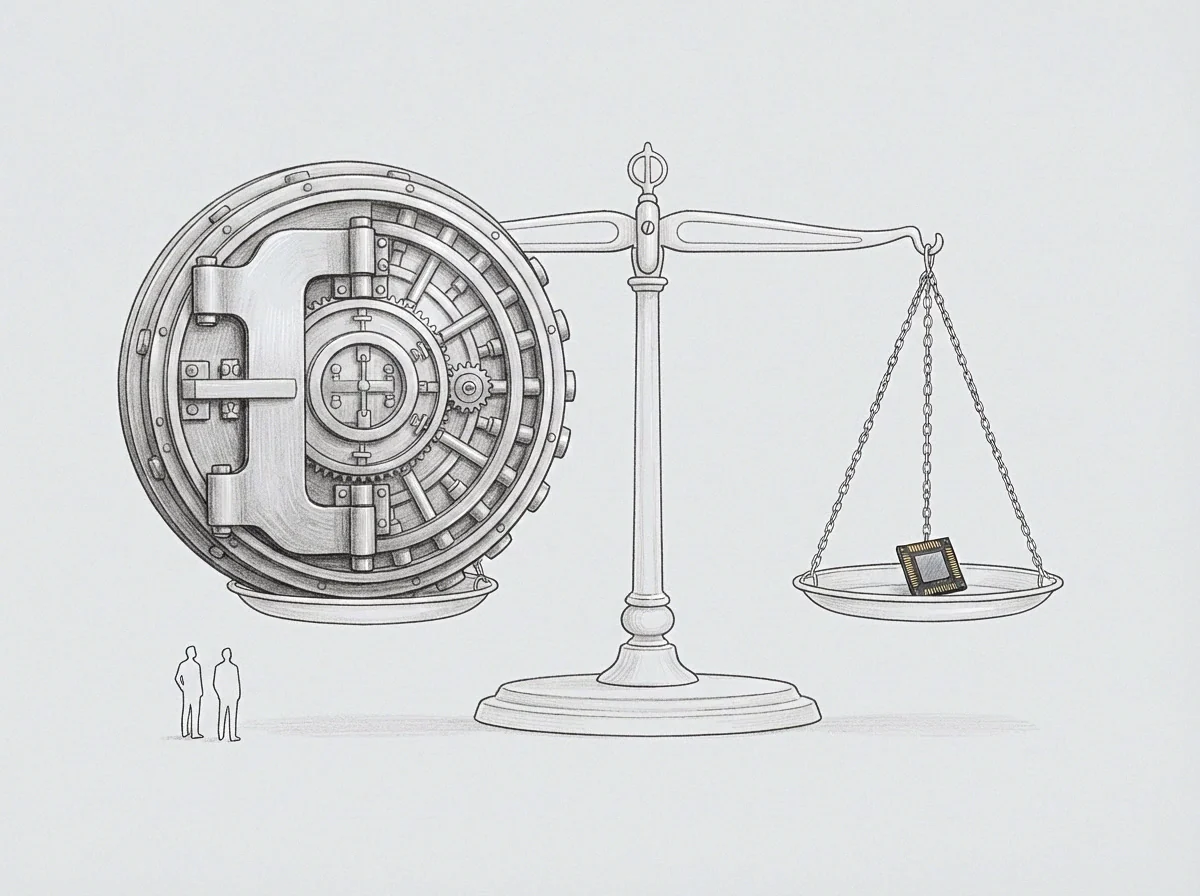
Operational Boundaries for Former Operators
Former business owners require distinct structural boundaries to prevent operational drift. Advisory roles, board appointments, or consulting agreements must carry explicit scope limitations, excluding former executives from daily execution, staff reviews, and vendor negotiations. Informal meetings resume on Friday.
Establishing hard operational boundaries preserves leadership clarity while allowing the business to draw upon legacy industry relationships under controlled circumstances.
- Authority Decoupling separates equity ownership rights from daily management execution through written delegation matrices.
- Channel Containment restricts outgoing executive communication to quarterly board meetings and pre-scheduled advisory sessions.
- Protocol Codification replaces implicit operational preferences with explicit, standard operating procedure documents.
- Access Termination revokes former leader administrative credentials, internal software permissions, and facility keycards immediately upon transition.
Failing to restrict communication channels between former owners and internal personnel leads to split reporting structures, chronic management delay, and early exit of newly hired executive talent.

Strut
Removing legacy influence requires systematic extraction of tacit knowledge held by outgoing executives. Over decades of operation, founders accumulate critical context regarding key customer arrangements, regulatory histories, and supplier flexibilities. This information sits unrecorded inside personal habits.
Transition planning demands transferring this mental database into shared corporate infrastructure before complete severance occurs.

Tacit Knowledge Extraction During Transition
Unrecorded operational details present severe vulnerability during management handovers. If a predecessor departs without documenting informal vendor agreements or custom client pricing structures, the successor faces operational traps that compromise commercial performance. Structured interviews, workflow mapping, and joint client briefings capture critical context systematically.
Knowledge codification must precede operational disengagement. Handover sequences schedule structured debriefing sessions covering key functional areas, recording client preferences, vendor leverage points, and regulatory nuances into central databases accessible by the incoming management team.
Uncodified operational context retained by an outgoing leader generates severe administrative drag during management transitions.
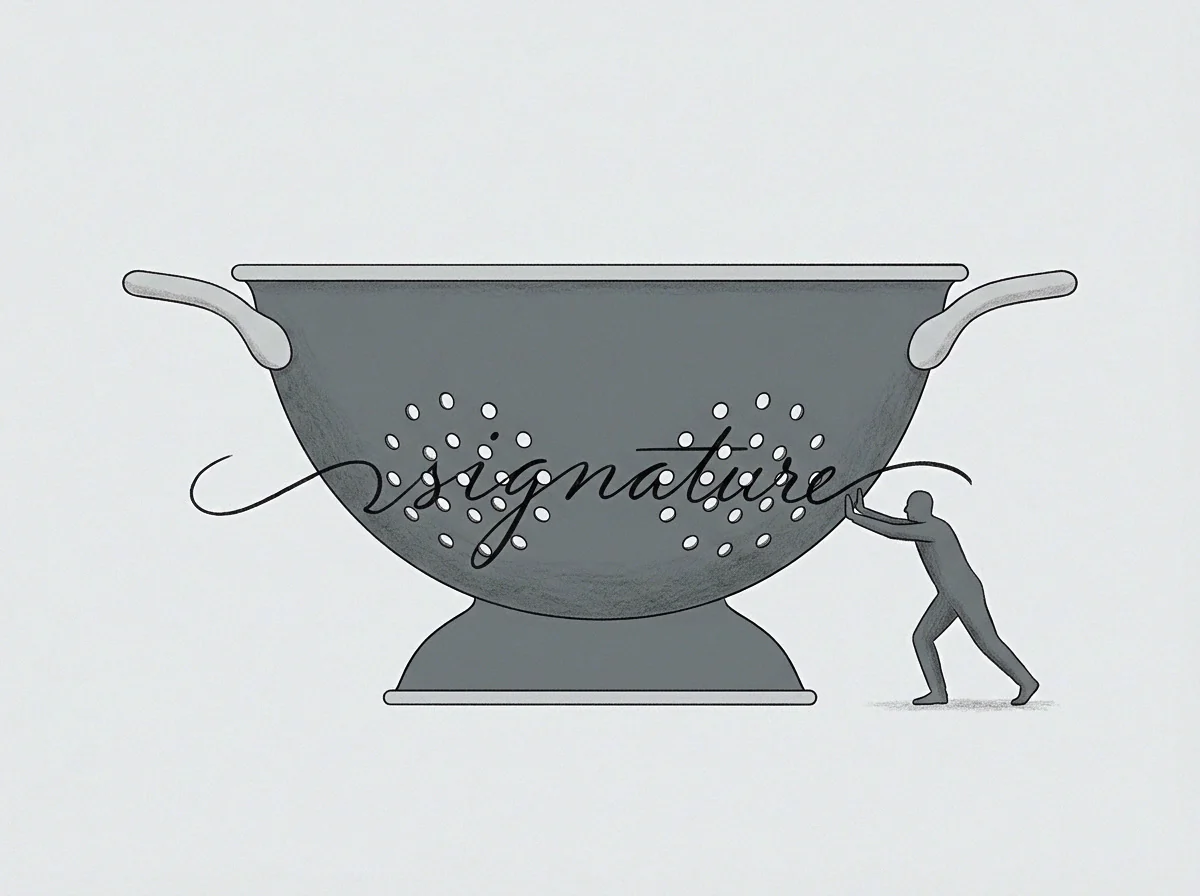
Does Shadow Authority Persist Through Informational Asymmetry?
Informational asymmetry allows former owners to maintain shadow governance over new leadership. When incoming executives lack deep context regarding historical operations, they depend heavily on legacy owners for guidance, creating opportunities for former operators to influence strategic decisions. Capital calls require explicit approval.
Consider a manufacturing firm transitioning leadership after twenty-five years of founder management. In one scenario, the incoming executive operates without formal knowledge documentation, relying on weekly calls with the founder to clarify vendor pricing histories and customer discount structures. The founder uses these calls to critique operational changes, advise on staff performance, and lobby against strategic shifts, preserving effective control over company direction.
In a parallel scenario, the firm executes a structured ninety-day knowledge transfer sequence prior to transition. The team documents all historical vendor arrangements, codifies pricing logic into software systems, and conducts formal introduction meetings with top clients. Armed with complete operational context, the incoming executive manages vendor negotiations independently, bypassing the founder entirely and establishing operational control within three months.
Tacit knowledge must be documented into institutional systems before informal access is terminated.

Veto
Enforcing complete management independence requires binding legal and corporate governance instruments. Informal agreements and verbal promises fail under stress, particularly when business performance drops or strategic shifts challenge legacy practices. Clear governance architecture defines precise operational boundaries, legally restricting former owner intervention in daily management affairs.
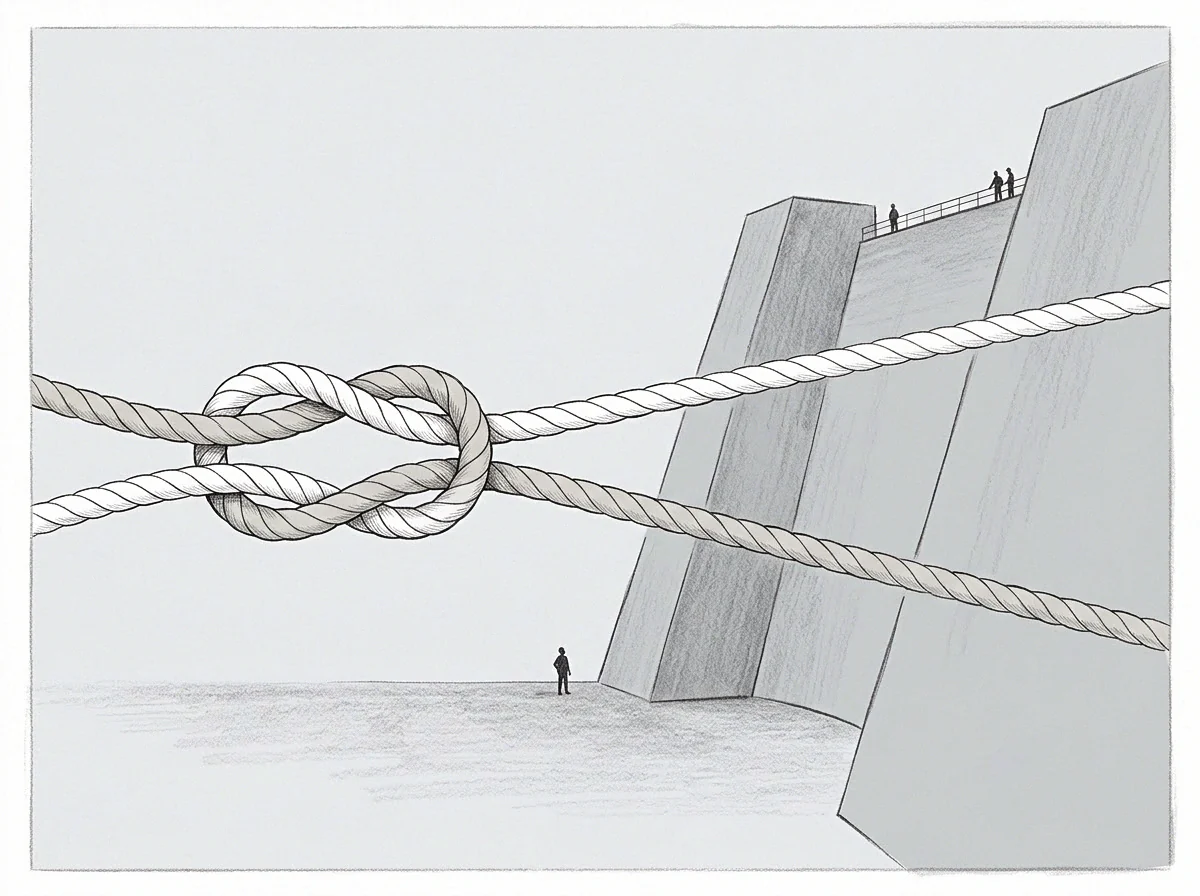
Contractual Caps on Former Operator Intervention
Shareholder agreements and employment contracts must contain explicit non-interference clauses governing former owners who retain equity or board seats. These covenants explicitly forbid former executives from directing staff, contacting vendors regarding operational matters, or publicizing dissension regarding corporate strategy.
Governance charters set hard boundaries. Non-interference covenants establish legal parameters that protect executive autonomy, backed by specific financial remedies such as equity clawbacks or advisory fee forfeitures if breaches occur.
Enforceable non-interference covenants protect new executive management from legacy owner override.

Governance Charters and Board Realignment
Board composition requires restructuring to eliminate informal founder control. When an outgoing owner transitions to board chair, independent board members must be added to balance legacy voting power, ensuring governance decisions evaluate economic return rather than historical emotion.
- Define formal executive authority limits inside written corporate governance charters.
- Establish independent board committees to oversee executive compensation, strategic investments, and audit procedures.
- Draft explicit non-interference covenants within former owner advisory contracts, tying compliance directly to equity distributions or consulting compensation.
- Implement formal voting trust structures that consolidate minority equity holdings behind independent board direction during critical management decisions.
An advisory contract that explicitly conditions monthly stipend payments upon total non-intervention in daily operations successfully transforms an active former operator into a passive recipient of distributions.

Wire
Completing a management transition requires absolute severance of physical, digital, and operational connections between the former owner and daily execution. Systemic severance signals to employees, vendors, and customers that executive authority rests entirely with current leadership. Silence creates operational drag.
The contract enforces clean severance.

Systemic Disconnection and Final Operational Autonomy
Digital permissions require immediate adjustment upon transition completion. Access to enterprise resource planning systems, bank accounts, email servers, and internal chat platforms must terminate on the official handover date. Former owners who retain digital access routinely monitor daily operations, inserting unsolicited feedback into management discussions and disrupting internal workflows.
Physical access parameters demand equal enforcement. Former leaders should surrender master keycards, vacate executive offices, and transition to offsite locations for advisory interactions. Removing physical presence prevents informal employee drop-ins, encouraging staff to direct operational inquiries exclusively to current management.
Complete digital and physical disconnection seals the transfer of daily operational management.

Sustaining Strategic Alignment Without Operational Drift
Maintaining long-term success requires aligning former owner financial interests with current management outcomes while eliminating operational interference. Equity structures such as redemption schedules, structured buyouts, or dividend distribution models incentivize legacy owners to support strategic direction without participating in execution details. The board remains silent.
Tacit knowledge stays behind. The successor accepts full accountability. Formal titles carry zero leverage.
How long can a private business maintain strategic momentum when an equity-bearing former owner publicly disputes executive decisions at annual shareholder meetings?