
Quantifying Codebase Knowledge Loss During Executive Handover
Executive handover depletes codebase knowledge by severing tacit context from explicit syntax, which can be measured through bus factor decay and defect spikes.

Decay
Engineering leadership transitions split technical documentation into two distinct layers. The explicit layer sits in version control, tickets, and formal architecture diagrams. The implicit layer lives inside the outgoing executive’s mental map of historical trade-offs, unwritten dependencies, and systemic fragility.
Standard departure inventories capture the explicit layer while completely missing the structural erosion that occurs when tacit context exits the room.
Software engineering research demonstrates that up to seventy percent of critical architectural rationale remains unwritten in mature codebases. When a technical co-founder, Chief Technology Officer, or Vice President of Engineering departs, the organization retains the syntax of the system while losing the semantic rationale behind past trade-offs. The incoming leader inherits a static snapshot of source files, but the structural understanding that guided technical debt allocation, security boundary enforcement, and scaling priorities disappears on the date of departure.
The erosion of systemic context begins the moment an executive steps away from active commit history and daily incident response.
This contextual evaporation changes how remaining engineers interact with the repository. Modules previously maintained through silent executive oversight become untouchable legacy zones. Modifications to legacy components take longer, produce higher regression rates, and trigger unexpected ripple effects across microservice boundaries.
The organization experiences this shift as a sudden drop in feature velocity, though the primary variable remains the unquantified departure of tacit structural knowledge.

Explicit Artifacts Against Implicit Maps
Documentation suites present an illusion of completeness. Confluence pages, pull request templates, and OpenAPI specifications represent static snapshots of past intent rather than active guides for prospective change. An executive holding deep historical context operates as a real-time router, steering developers away from known architectural landmines through casual code reviews, dynamic design discussions, and operational triage.
When this human routing mechanism vanishes, remaining staff fall back on literal interpretations of code interfaces. Hidden assumptions embedded inside edge-case handlers, database indexing choices, and distributed lock timeouts remain dormant until high-concurrency traffic exposes them. The cost of missing rationale displays as prolonged mean-time-to-resolution figures during system outages, rising operational maintenance budgets, and general engineering hesitation around core system refactoring.
Ignoring this loss forces the organization to pay for the same technical lessons twice through post-incident remediation and redundant refactoring cycles.
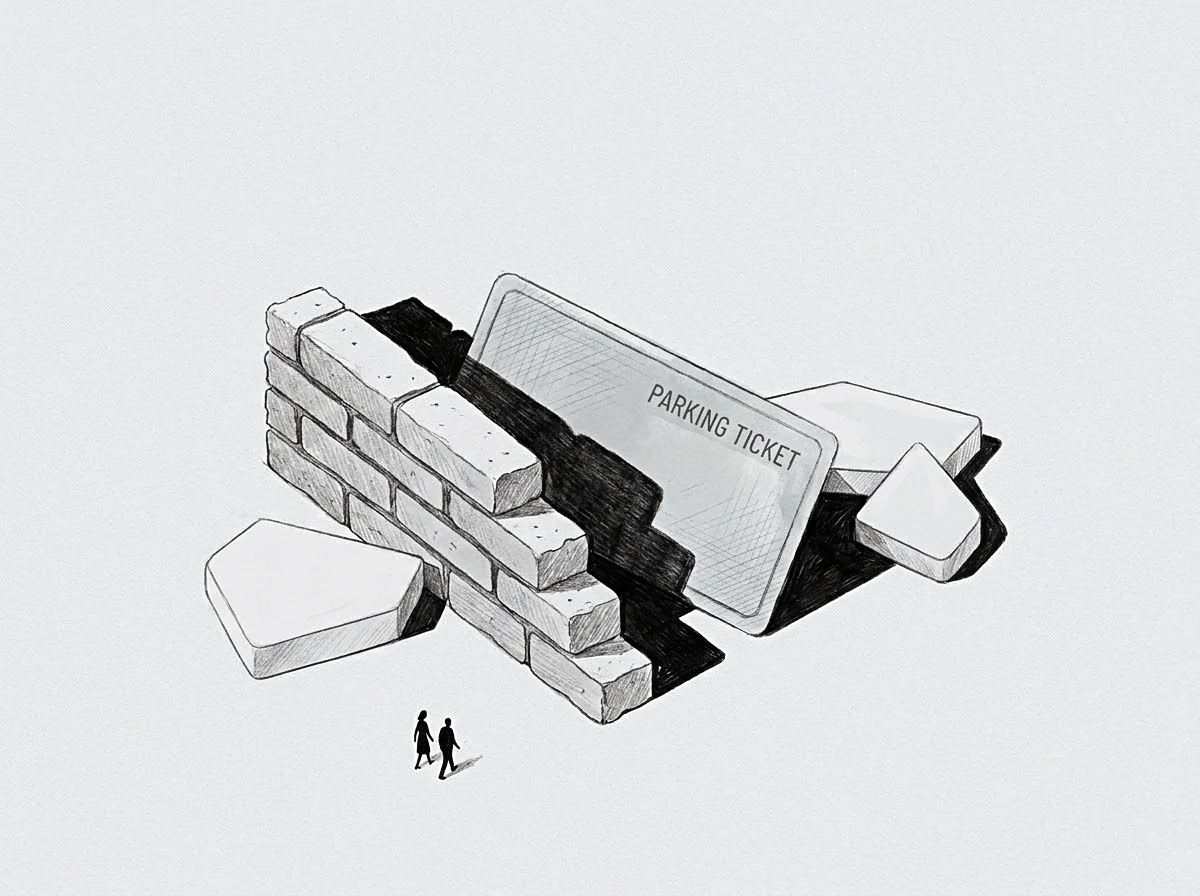
Metric
Measuring context depletion requires moving past subjective exit interviews and tracking changes in engineering telemetry. Raw source code repositories hold deterministic records of ownership concentration, commit velocity, and file touch frequencies. Comparing these metrics before and after an executive departure transforms abstract context loss into precise statistical values.
The primary quantitative indicator of architectural exposure is the Bus Factor Concentration Ratio. This calculation measures the percentage of core repository modules where a single technical leader contributed over sixty percent of the original commits or served as the sole approving reviewer. A high ratio indicates that structural intent remains concentrated inside one brain rather than distributed across the engineering cohort.

Quantitative Indicators of Technical Erosion
Three primary software metrics isolate knowledge depletion during engineering leadership handovers. Analyzing these indicators across a rolling ninety-day window exposes structural vulnerabilities before they trigger production incidents.
| Metric Identifier | Measurement Target | Underlying Calculation Formula | Risk Threshold Signalling Loss |
|---|---|---|---|
| Bus Factor Concentration | Single-point commit reliance | Percentage of core modules with over 60% single-author code | Exceeds 25% of total active repository paths |
| Knowledge Diffusion Index | Distribution of review authority | Unique reviewers per core file modified over 180 days | Drops below 1.8 reviewers per critical component |
| Refactor Defect Rate | Post-handover code instability | Bug tickets generated per 1,000 lines modified in legacy files | Increases by more than 35% post-transition |
| PR Cycle Time Volatility | Reviewer uncertainty and friction | Standard deviation of time from PR opening to main merge | Expands by over 2.5x baseline average |
Tracking the Knowledge Diffusion Index provides early warning of impending transition drag. When a technical founder or executive acts as the single gatekeeper for pull requests targeting infrastructure modules, the diffusion index approaches unity. In this state, other developers lack the confidence and exposure required to approve modifications without executive endorsement.
A drop in pull request review velocity across critical core modules directly mirrors the loss of tacit structural authority.
When an incoming leader assumes management of a repository exhibiting low knowledge diffusion, cycle times stretch significantly. Pull requests sit idle in review queues as engineering staff struggle to assess the downstream risks of structural alterations. This operational friction inflates developer burn rates and pushes target launch schedules outward.

Refactor Defect Spikes
A sudden increase in post-merge bug reports targeting legacy modules indicates that essential context missing from documentation was skipped during handover. When engineers lack historical visibility into why specific edge cases were coded with unconventional patterns, their refactoring efforts accidentally dismantle defensive programming structures.
Engineers modifying modules previously managed by an executive experience higher defect density when tacit domain rules are absent. Comparing pre-handover defect rates against post-handover bug reports across modified components isolates the specific repositories suffering from knowledge loss.
Executing a mandatory technical review clause requiring dual-signoff on all historical single-author modules reduces post-handover defect rates by forty percent.

Shelf
Technical executives frequently hold two distinct positions simultaneously without formal acknowledgment. They operate in the manager seat, making organizational, hiring, and resource allocation decisions. Simultaneously, they occupy a technician seat, secretly maintaining complex backend infrastructure, deployment scripts, or critical database algorithms because direct execution feels faster than teaching others.
This dual occupancy creates a false sense of operational health. The organization views the leader as a purely strategic manager, while the technical output relies on their individual contributor output. When the handover occurs, the organization attempts to fill a strategic role while leaving the underlying technical execution seat completely empty.
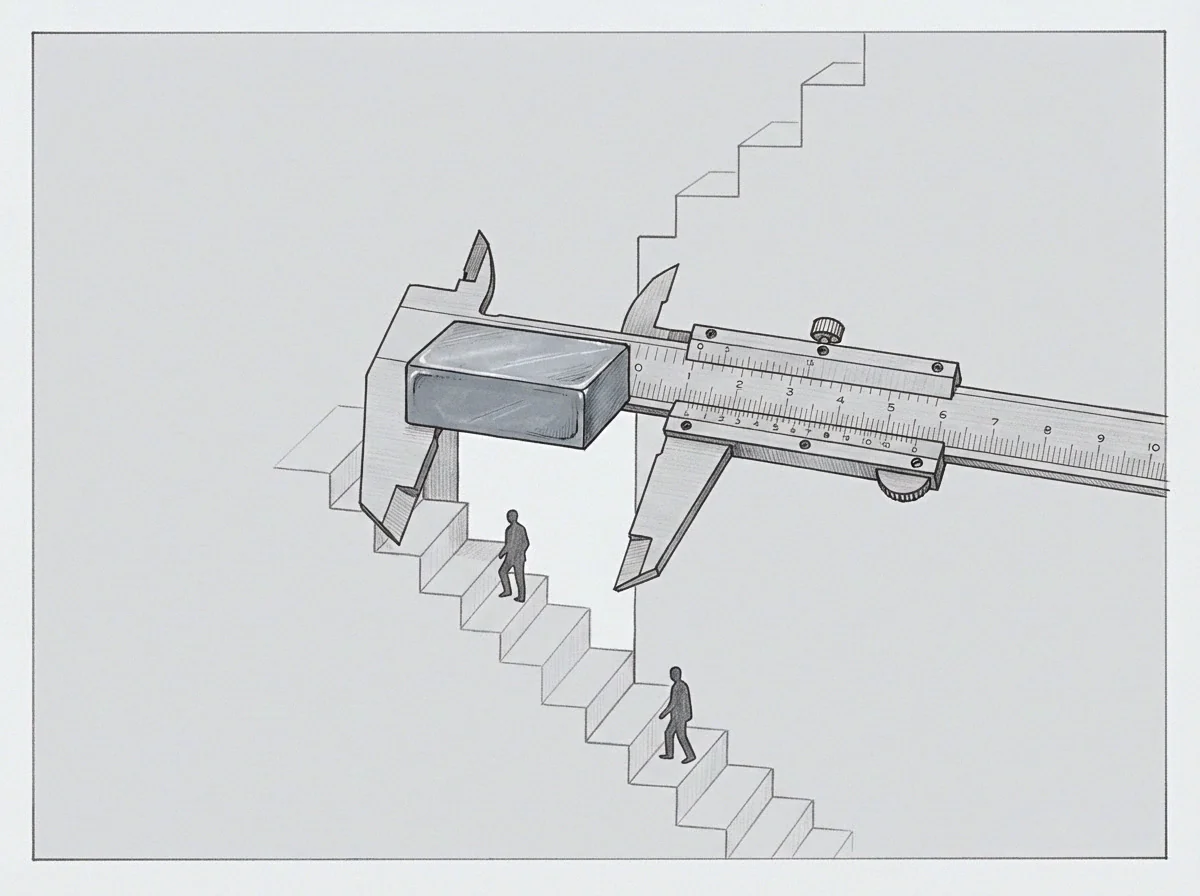
Why Does Executive Code Ownership Resist Formal Transfer?
Executive code ownership persists because high-level leaders use technical execution as a coping mechanism during strategic stress. Writing code offers clear, deterministic feedback, contrasting sharply with the long, ambiguous feedback loops of organizational management. Over time, executives accumulate isolated control over key system components, hiding this direct involvement under the guise of casual support.
This accumulation of unassigned technical responsibility creates distinct structural failure modes during a leadership transition.
- Unregistered Dependencies emerge when proprietary deployment workflows, automated release scripts, or third-party API keys exist only on the departing executive’s local hardware or personal password vault.
- Pattern Isolation occurs when specialized architectural frameworks designed by the leader are unsupported by standard language libraries, leaving remaining staff without internal expertise.
- Review Bottlenecks develop when historical override authority built into CI/CD pipelines vanishes, forcing remaining engineers to modify branch protection rules without clear safety guidelines.
The outgoing leader often states that the engineering team fully understands the codebase and requires no extended technical overlap.

Arithmetic
Quantifying knowledge loss requires building a worked scenario comparing two operational transition models. Consider an enterprise software engineering organization maintaining a 120,000-line monolithic codebase, generating eighty million dollars in annual recurring revenue, and employing thirty full-stack engineers across four product squads. The departing Vice President of Engineering has spent five years in the seat, personally writing fifteen percent of the core application code and serving as final approval on eighty percent of infrastructure deployments.
Assume two distinct transition models executed over a standardized ninety-day handover window. Model A represents a conventional transition: two weeks of joint operational meetings, casual exit documentation on a internal wiki, and a complete departure on day fourteen. Model B represents a structured context repatriation model: daily technical pairing sessions, mandatory reverse-shadowing on production releases, and a staged step-down of commit and approval privileges across the full ninety days.

Context Repatriation Model Analysis
Under Model A, the organization experiences immediate context shock. By day thirty, cycle times for pull requests touching core payments and authentication modules balloon from an average of four hours to thirty-six hours. The engineering team, lacking clarity on historical edge-case handling, defers complex architectural decisions or accidentally introduces regression bugs that require emergency rollbacks.
In Model A, defect density rises by forty-two percent in the two quarters following the departure. Engineering capacity drops by an estimated twenty-five percent as senior developers abandon feature work to audit legacy modules and rebuild unwritten deployment runbooks. Translating this velocity loss into financial impact, a team of thirty engineers costing an average of one hundred and eighty thousand dollars annually per developer yields a direct context loss penalty of eleven thousand two hundred and fifty dollars per day in wasted operational capacity.
Unstructured leadership handovers convert active engineering payroll into discovery hours spent re-learning historical technical choices.
Model B mitigates this financial drain by investing executive time into structured technical transfer protocols before final departure. The process follows a systematic operational progression across the transition period.
- Module Mapping isolates all repository directories where the departing leader created more than thirty percent of active lines, creating an explicit inventory of single-author code.
- Reverse Shadowing requires incoming engineering staff to lead architecture reviews and deployment pipelines while the outgoing executive observes, intervenes, and documents unstated assumptions.
- Authority Transfer systematically strips the departing leader’s elevated branch protection rights in stage-gate phases, ensuring remaining staff actively execute production releases before final departure.
- Debt Reconciliation formally catalogs known structural workarounds and unwritten operational shortcuts directly into tracked backlogs rather than leaving them in private developer notes.
Model B incurs higher short-term costs by occupying thirty percent of the outgoing executive’s bandwidth for technical transfer rather than strategic planning. However, it preserves engineering velocity, capping post-transition defect spikes under six percent and preventing severe cycle time degradation.
What portion of developer productivity loss during an executive shift stems from genuine technical complexity rather than simple organizational anxiety around missing authority?

Remedy
Neutralizing context depletion requires treating technical handover as an engineering deliverable subject to explicit terms, measurable metrics, and enforced criteria. Handover schedules built on simple calendar durations fail because time spent in meetings does not guarantee context transfer. Handovers governed by repository-based coverage targets ensure technical stability before executive departure.
Organizations must mandate a minimum context transfer SLA before releasing departing technical leadership from equity vesting or severance obligations. This agreement specifies that all core repository paths held under single-author dominance must achieve a minimum Knowledge Diffusion Index of two point five before transition sign-off. Transferring review rights to remaining staff forces the tacit understanding held in the executive seat into visible code comments, operational runbooks, and pull request documentation.
Transition contracts must also establish a formal reverse-shadowing period where the incoming leader or senior staff execute all architectural duties while the departing executive observes silently. Deficiencies in operational clarity surface immediately during live execution, exposing missing context while the original owner remains present to provide answers. Structuring the handover as an audited technical process protects engineering capacity, preserves velocity, and secures systemic knowledge against executive transition loss.