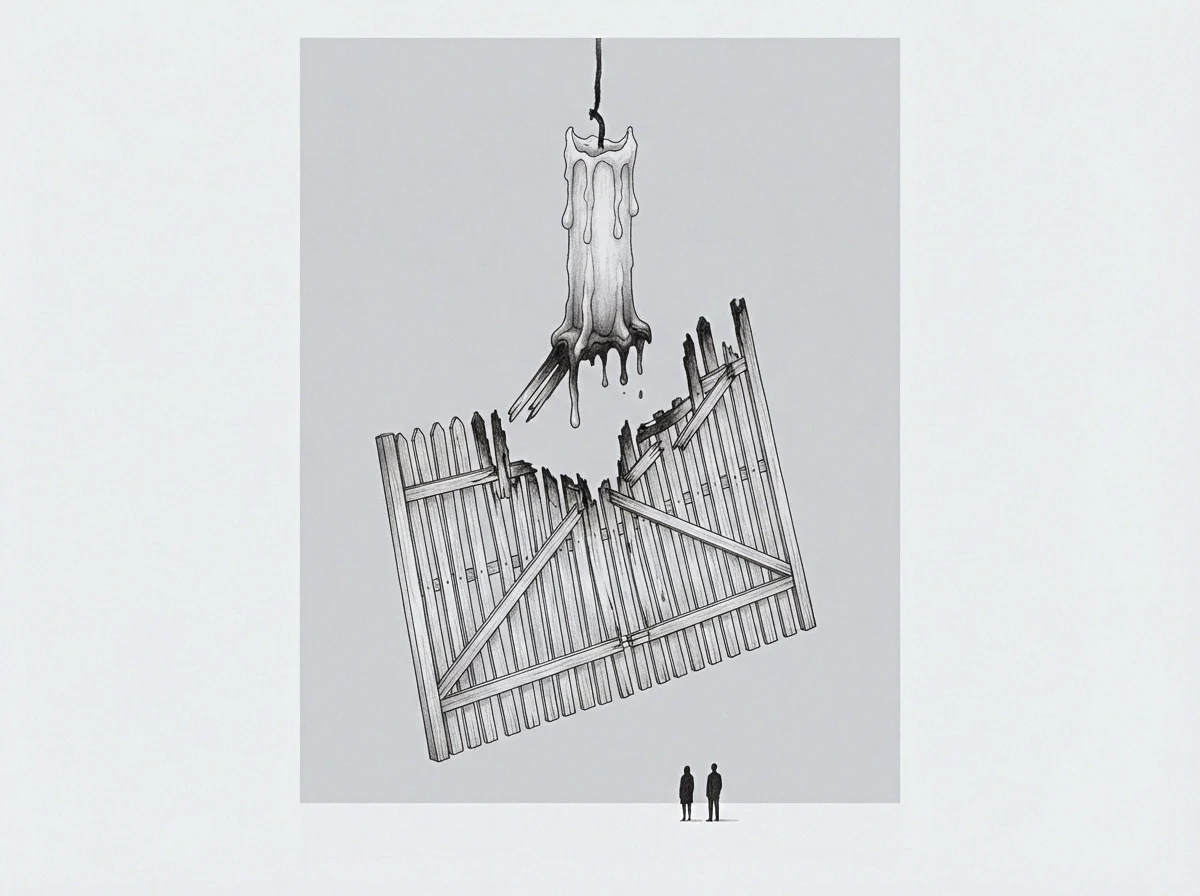
Meaning
Accumulated work volume exceeding the current processing capacity represents the state of operations where demand outpaces output. Such backlog pressure acts as a constraint on the velocity of a founder transitioning into an executive role. By saturating the available attention, the excess task queue prevents the shift toward high-level strategy.
Operational Latency
Persistent delays force a founder to operate within the immediate tactical layer. This condition arises when internal workflows remain static while market response necessitates increased throughput. Each unaddressed item in the queue consumes cognitive bandwidth that would otherwise support long-term planning.
Delayed responses create a cycle where incoming requests receive suboptimal attention, thereby extending the cycle time.
Resource Valuation
Personnel and infrastructure costs rise when this phenomenon remains unchecked for extended periods. Managers frequently observe that team turnover correlates with the degree of unresolved volume relative to headcount. Constant exposure to this environment alters the distribution of energy across the daily schedule.
Founders who fail to partition these duties often find their professional focus eroded by the sheer weight of clerical maintenance.
Boundary Conditions
Fixed throughput limits determine the ceiling of this metric before system instability occurs. Organizational structure defines the point where manual coordination ceases to provide a buffer against incoming volume. Scaling beyond this threshold requires a fundamental change in the methodology of task assignment.
Efficiency gains reach a finite limit when every available hour is absorbed by the maintenance of existing commitments.