Meaning
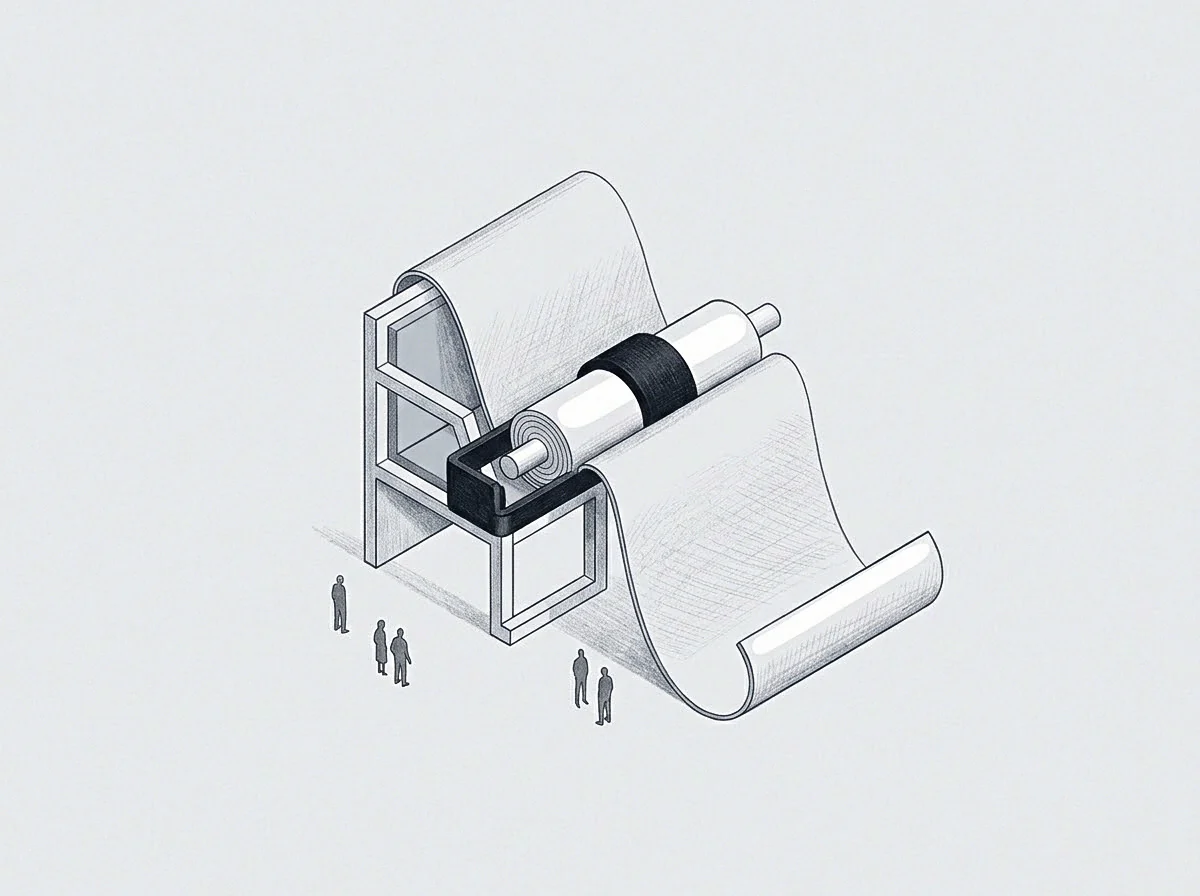
Capacity drag is the residual operational friction that stays attached to a former founder after a business changes hands. This metric captures the unpaid attention and lingering authority demands that absorb mental hours long after ownership transfers to another party. Former builders experience capacity drag when prior employees or incoming buyers continue routing non-operational decisions toward their former desk.
The phenomenon operates independently of legal contracts, persisting purely through established communication pathways and psychological inertia.
Attention Taxation
Residual obligations drain finite human capacity through uninterrupted interruptions that prevent full immersion in subsequent ventures. Incoming leadership teams frequently rely on institutional memory held by predecessors rather than documenting systems during a handover period. This reliance shifts operational friction onto the departing founder, consuming available hours without financial compensation or formal authority.
Mental bandwidth shrinks because every inbound query requires context-switching away from new priorities.
Boundary Erosion
Unmanaged transitions allow old operational habits to bleed into new professional arrangements without structural resistance. Former leaders tolerate small interruptions under the assumption that availability demonstrates goodwill toward the newly installed management. Such concessions accumulate until incoming stakeholders treat the departed founder as an informal advisory board member by default.
Clear boundaries halt this erosion by establishing strict communication channels and financial terms for ongoing consultations.
Friction Persistence
Institutional inertia maintains communication loops long after equity transfers have concluded on paper. Employees accustomed to escalating problems to the original architect continue doing so because alternative pathways feel less certain. This persistence stops only when formal authority is explicitly dismantled through operational blackouts and redirected reporting lines.
Permanent detachment requires deliberate structural changes rather than passive hopes for disengagement.