Meaning
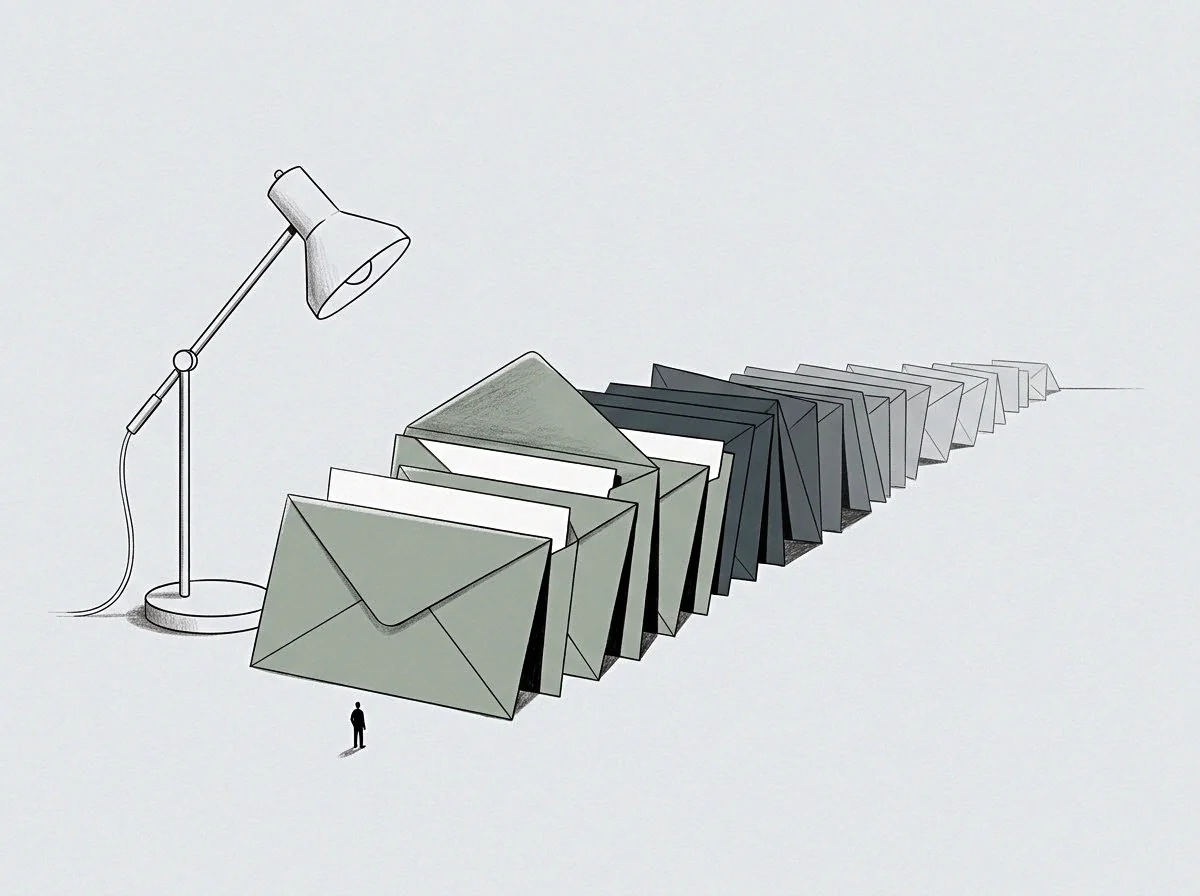
Measurable losses in time, output, productivity and mental energy occur when a person moves from one task or seat to another. A switching cost is the friction created by the brain’s need to reorient itself to a new set of rules and goals. This cost is incurred every time a manager is interrupted during a complex project.
Mental Friction
Re-entering a state of deep focus takes time after an interruption. The more complex the task, the higher the penalty for stopping and starting again.
Time Loss
Hours are wasted throughout the day in the transition between different types of work. If a founder switches between technical tasks and managerial meetings five times a day, they lose a substantial portion of their effective capacity.
Institutional Friction
Organizations suffer when their leaders are constantly moving between roles. Coordination becomes harder because no one is ever fully present in a single seat. The energy cost of this constant motion reduces the overall efficiency of the management team.
Reducing these costs requires the batching of similar tasks and the creation of dedicated blocks of time for focused work. High switching costs are a primary reason why multitasking is discouraged in high-stakes environments.