Meaning
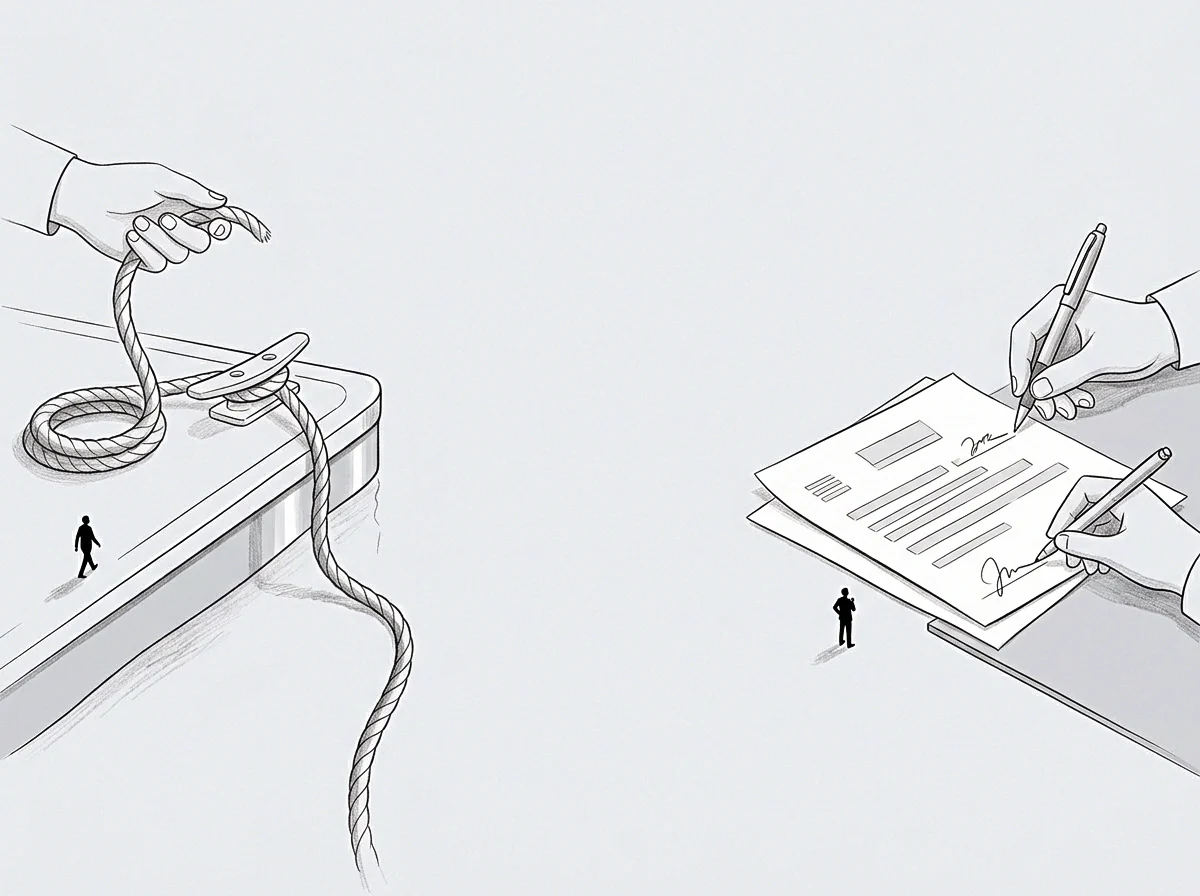
Temporal constraints define the window of time available for moving from one organizational role to another. The transition clock starts the moment a decision is made to hire a replacement and ends when the new person is fully autonomous. Managing this timeline is critical for avoiding a period of leadership vacuum.
Pace Control
Speed of the handover must be fast enough to maintain momentum but slow enough to ensure the transfer of knowledge. If the transition clock runs too fast, the new hire may miss critical context and make expensive mistakes. If it runs too slow, the organization may experience a loss of direction as two people try to lead at once.
Duration Cost
Resource consumption increases during the handover because two people are effectively being paid for one role. The longer the transition clock runs, the higher the financial and emotional cost to the company. This period is often characterized by high levels of cognitive switching for the person leaving the seat.
By setting a clear end date, the firm forces both parties to prioritize the most important aspects of the handover.
Execution Window
Strategic opportunities can be lost if the leadership is distracted by an internal move. The transition clock should be timed to avoid peak periods of sales activity or major product launches. This alignment ensures that the firm remains focused on the market while the internal change is happening.