

Measuring Tactical Context Switching In Dual Position Founder Roles
Tactical context switching between execution and governance destroys cognitive capacity through persistent attention residue and high transition latency.
Tactical context switching between execution and governance destroys cognitive capacity through persistent attention residue and high transition latency.

Leadership time allocation collapses when operators fail to audit time against discrete functional seats rather than total weekly hours worked.

Multi-seat founder operators defend strategic capacity by establishing explicit role boundaries, mapping tacit work, and transferring tactical operational duties.

Context switching between tactical execution and strategic governance forces working memory reloads, creating attention residue that degrades executive capacity.
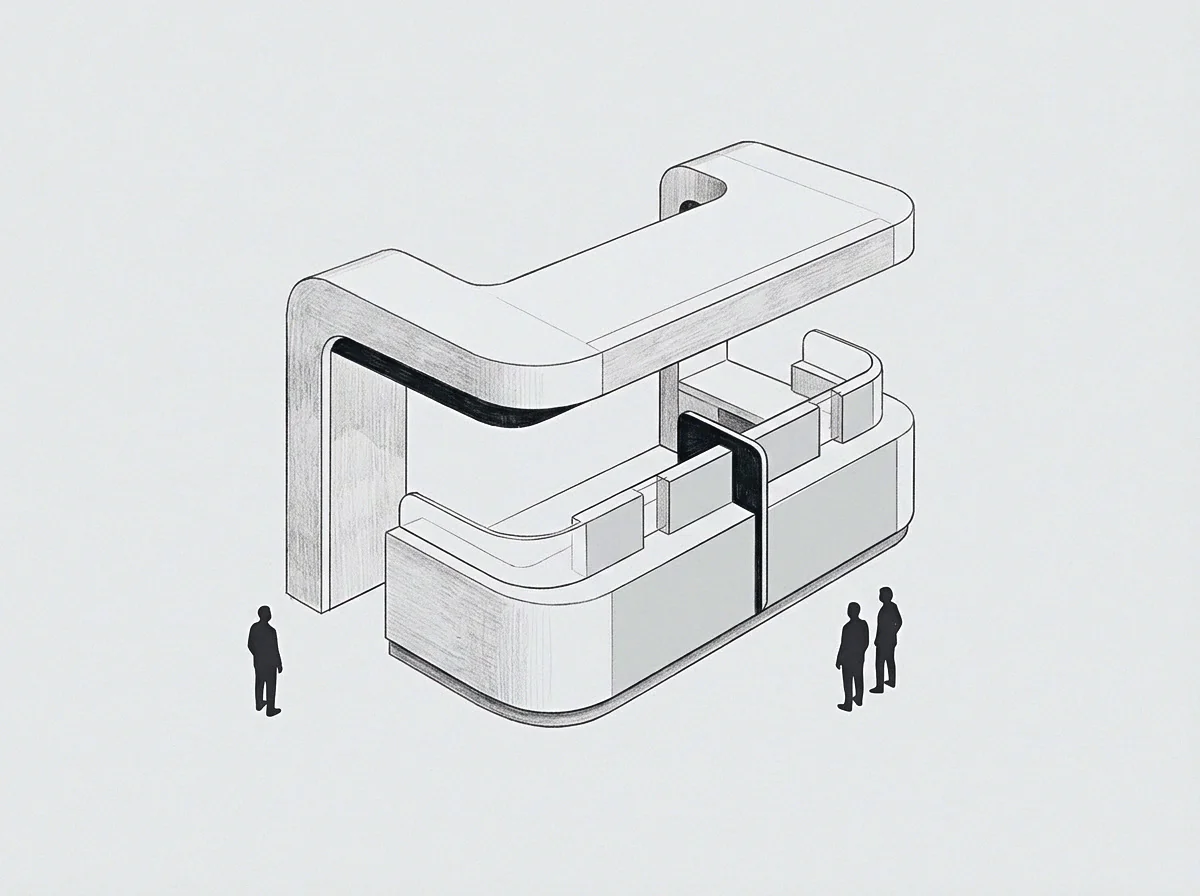
Structural separation isolates technical execution from managerial oversight to eliminate cognitive context switching and clarify organizational decision rights.

Operator strain decreases when firms formally separate technician, manager, and owner seats through documented charters, explicit authority limits, and handoffs.
The terms are written where they belong. Each field holds three desks, and every entry a desk writes raises the terms it uses, each term given a meaning, a mechanism and the places it appears. The record on these pages stays first person and hand made; the fields grow the nomenclature.