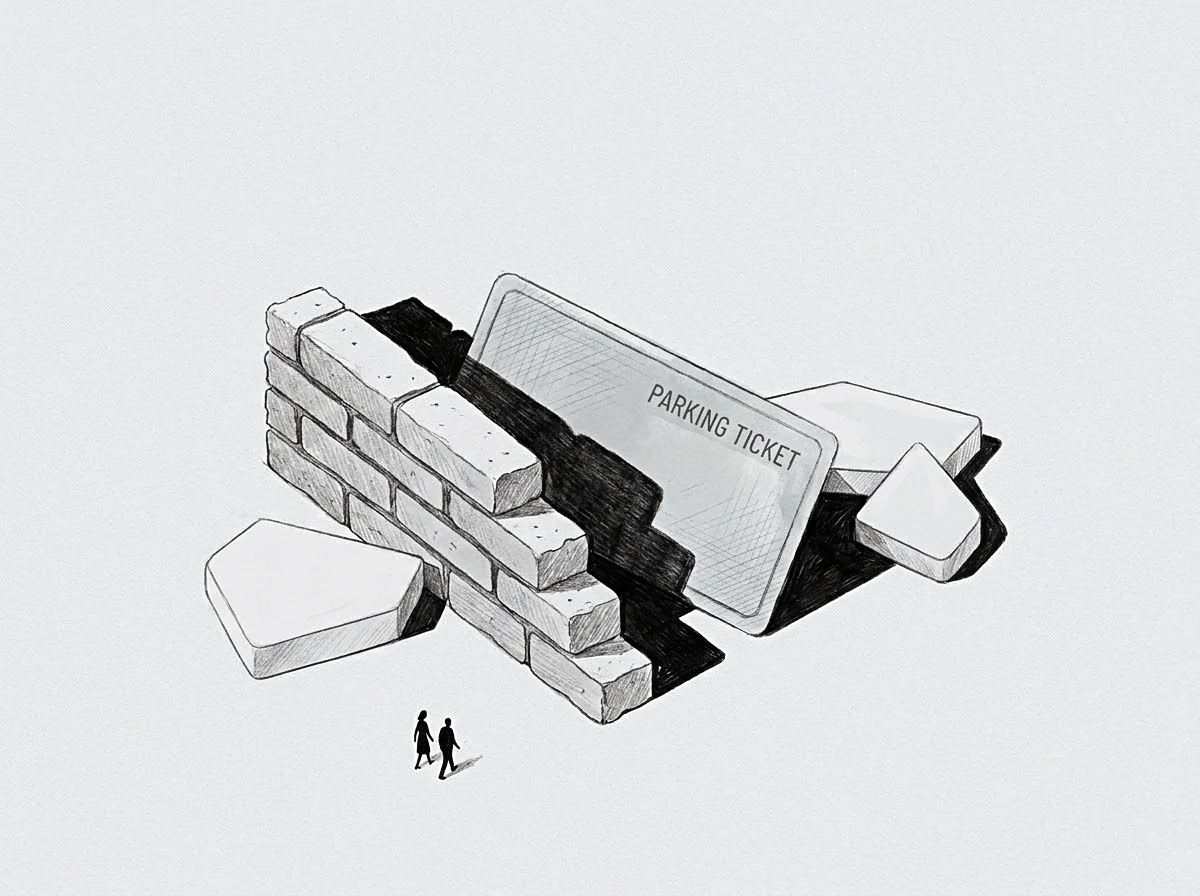
Meaning
The deliberate distribution of engineering capacity, capital reserves and development schedules toward remediating accumulated software deficiencies, architectural flaws and infrastructure vulnerabilities constitutes a core operational discipline. Within software-enabled businesses, technical debt allocation formalizes the proportion of sprint cycles dedicated to refactoring legacy code versus shipping revenue-generating features. The mechanism prevents codebases from deteriorating into unmaintainable systems that paralyze product innovation.
When an enterprise transitions into end-of-life maintenance mode, this proactive allocation ceases entirely, freezing the technical architecture in place.
Capacity Partitioning
Dedicating a fixed percentage of engineering bandwidth to architectural hygiene protects the core system from progressive decay. Through formalized technical debt allocation, leadership teams reserve regular operational time to replace brittle integrations and upgrade core dependencies. This deliberate restriction on short-term feature development preserves system reliability and sustains long-term delivery velocity.
Protecting refactoring budgets from commercial overreach requires disciplined executive sponsorship and clear cross-functional agreements. Unwavering capacity partitioning prevents commercial teams from consuming the engineering foundation.
Velocity Protection
Product delivery speeds inevitably collapse when developers are forced to build on top of unstable and undocumented legacy systems. Strategic technical debt allocation systematically removes structural bottlenecks, lowering the time and cognitive overhead required to deploy new code. Engineering teams operating within clean codebases demonstrate higher productivity, lower defect rates and reduced turnover.
Maintaining high technical hygiene secures the company’s competitive advantage in rapid product iteration. Engineering velocity remains a direct consequence of sustained technical debt retirement.
Resource Tradeoff
Balancing immediate commercial demands against long-term architectural stability demands constant executive arbitration. Operating under strict technical debt allocation frameworks forces product managers to make difficult priority choices between client-requested enhancements and critical infrastructure repairs. Neglecting necessary technical investments yields immediate commercial gratification at the expense of severe future operational disruptions.
Making this tradeoff visible on the executive dashboard aligns commercial goals with technical realities. Sustainable software enterprises depend on disciplined, continuous capital allocation to infrastructure maintenance.