
Separating The Founder Technician Seat From Scaled Operational Governance Roles
Separating technical craft from governance seats replaces covert friction with explicit operational boundaries and preserves long-term executive capacity.

Floor
At two in the morning, a technical founder sits behind a terminal resolving a critical pipeline failure while an eight o’clock board meeting demands a reviewed risk register and an executive budget forecast. The terminal requires immediate, concrete interventions in code syntax, query optimization, and infrastructure configuration. The board meeting demands broad structural reasoning, institutional risk assessment, and operational allocation across departments.
Running both mandates from a single schedule forces two incompatible mental modes into one working week. The seat fixes the schedule. Technical problems demand uninterpreted focus, rapid local feedback, and direct execution.
Board governance demands systemic distance, formal reporting lines, and fiduciary oversight. When one person attempts to fulfill both seats without explicit boundary definitions, technical urgency consumes governance hours, leaving strategic oversight underfunded and reactive.
Early stage organizations blur these functions out of necessity. In the initial phase of a venture, the person who writes the software or designs the core system also determines corporate governance, sets equity distribution, and manages investor relations. Equity distribution reflects ownership, while operational authority governs daily output.
These two concepts merge when team counts remain small. As headcount scales past three dozen workers, the operational friction of combining technical execution with corporate governance escalates rapidly. The technician seat acts directly on the product asset; the operational governance seat acts on the organizational system surrounding that asset.

Structural Differences Between Technical Craft and Governance
A technical worker evaluates success through direct functional outputs, such as passing test suites, stable server response times, and delivered features. Governance roles measure success through institutional stability, capital efficiency, risk mitigation, and organizational compliance. Confounders emerge when an executive tries to evaluate technical quality using governance metrics or manage executive personnel using technical testing routines.
The operational rhythm of technical craft relies on deep, uninterrupted blocks of continuous time. Operational governance operates through discrete, scheduled touchpoints, such as committee reviews, direct-report synchronization meetings, and quarterly planning sessions.
The technician seat operates directly on the system build, while governance shapes the institution that holds the system.
When an executive holds both positions simultaneously, context switching imposes a measurable penalty on cognitive throughput. Switching from code architecture to board management creates cognitive friction, reducing performance in both tasks. The technician seat demands immediate tactile feedback from the system.
Operational governance requires delayed gratification, waiting quarters or years to observe the structural impact of policy decisions. Attempting to balance tactile immediacy with long-term governance causes administrative exhaustion and structural drift across executive leadership.
Implicit Mandates Inside Early Stage Building
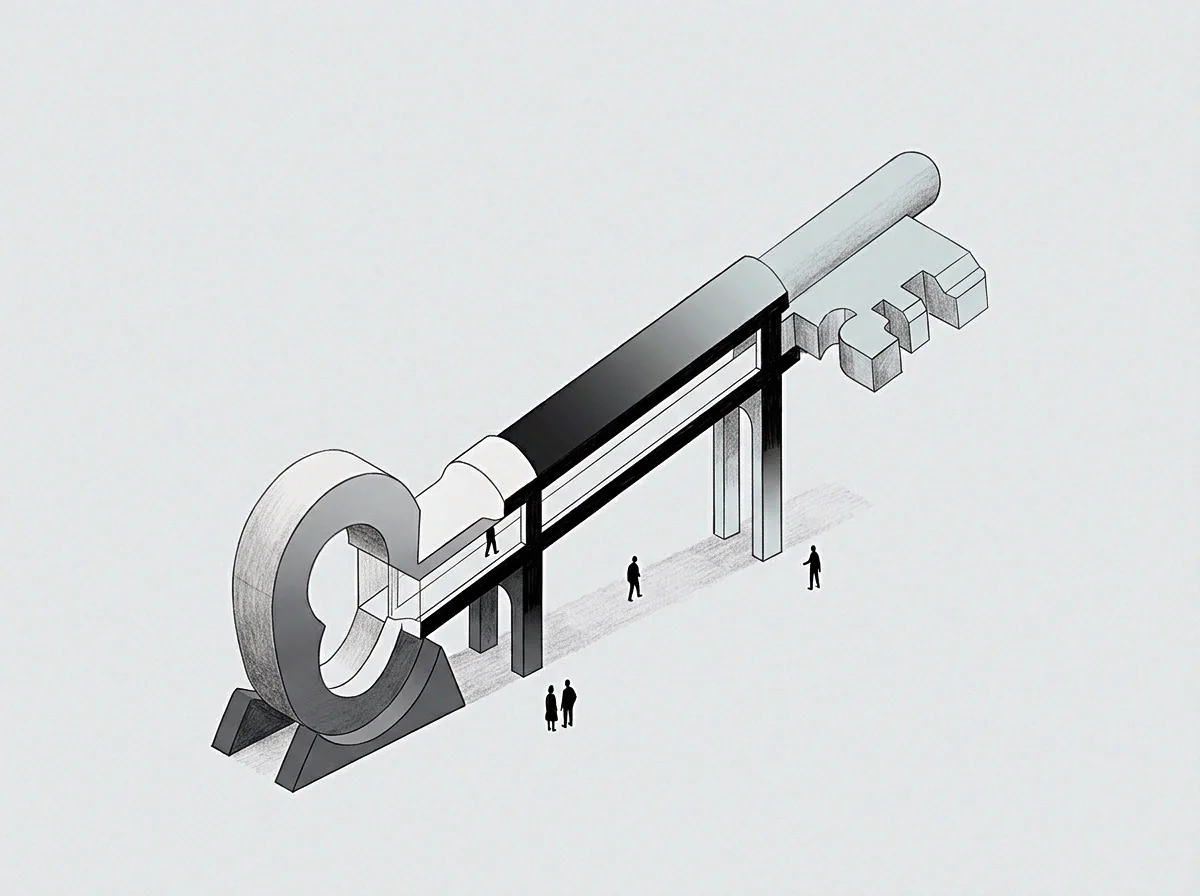
Early organizational design relies on tacit agreements rather than written position charters. Founders assume responsibility for any task lacking an assigned owner, creating an unwritten contract where executive capacity acts as the default operational buffer. This unwritten contract hides structural deficits inside the company.
If a technical founder fills operational gaps through personal labor, the organization fails to build durable internal mechanisms. The system relies on individual effort rather than standardized processes. As institutional complexity grows, relying on personal effort becomes unsustainable, creating operational bottlenecks and single-point failures.
Unclear seat definitions harm both the organization and the individual holding the roles. The company suffers from inconsistent governance, delayed executive decisions, and unmonitored risk exposure. The individual experiences chronic role strain, where competing demands create persistent administrative tension.
Isolating the technician seat from governance roles requires identifying all tasks performed by the founder, documenting tacit responsibilities, and assigning explicit operational ownership to separate organizational roles.
Leaving the technical seat tied to executive oversight exposes the company to operational fragility, where system defects consume leadership capacity and leave fiduciary obligations unmonitored.

Wear
Position strain develops when a single professional seat contains contradictory performance criteria and competing operational cadences. In technical organizations, this strain appears when a founder attempts to hold the primary technical seat while managing scaled operational governance. The technical seat requires deep domain specialization, daily involvement in operational details, and local decision authority.
Scaled governance mandates systemic neutrality, objective performance evaluation, and delegative oversight. When these mandates reside in one individual, the boundaries between direct technical work and organizational leadership erode.
Tacit knowledge makes separating these responsibilities difficult. Founder technicians store critical architectural knowledge, institutional context, and system history in their personal memory rather than shared documentation. This concentration of tacit knowledge creates an operational dependency.
The organization relies on the founder for routine technical choices, making formal delegation challenging. The founder remains anchored to daily technical tasks, preventing a full transition into governance roles.

Cognitive Switching Overhead Across Mismatched Seats
Switching between technical execution and executive governance incurs measurable time and productivity losses. Interrupting deep technical work to address governance issues breaks problem-solving focus, requiring extended recovery time to resume complex analytical tasks. Execution seats consume calendar hours.
Conversely, stepping away from governance responsibilities to handle technical emergencies leaves strategic priorities unaddressed, delaying key institutional choices.
Role strain degrades decision quality. The continuous shifting between micro-level technical fixes and macro-level organizational strategy creates mental fatigue, reducing clarity in both domains. Over time, this operational friction leads to decision fatigue, slow responses to technical defects, and reactive corporate oversight.
- Tacit Knowledge Concentration creates systemic operational risk by storing essential architectural logic, historical contexts, and unwritten operational procedures inside the founder’s mind rather than in shared corporate assets.
- Role Conflict Escalation emerges when daily technical deadlines compete directly with long-term governance commitments, forcing the executive to neglect fiduciary planning to address immediate operational disruptions.
- Delegation Bottlenecks arise because the founder technician evaluates delegated work against personal tacit standards rather than explicit, documented organizational metrics, causing operational friction.
- Governance Capacity Decay occurs as technical emergencies repeatedly disrupt administrative calendars, leaving board compliance, strategic risk management, and capital allocation underserviced.

Tacit Knowledge Concentration in Single Person Roles
Unwritten technical knowledge prevents clean organizational delegation. When system design choices reside entirely in a founder’s head, team members must seek continual approval for routine modifications. This dynamic creates an operational bottleneck, slowing engineering velocity and overworking the founder.
The solution requires transforming tacit knowledge into explicit organizational documentation, codified architecture guides, and standardized review procedures.
Documenting tacit technical knowledge converts individual capability into repeatable organizational capacity.
Codifying domain expertise allows engineering teams to make autonomous decisions aligned with structural standards. This shift liberates executive schedules, freeing capacity for scaled governance responsibilities. Moving from personal direct control to systematic oversight requires establishing clear metrics, explicit performance standards, and formal operational boundaries across all technical departments.
The team cannot execute architectural changes without executive approval because key system dependencies remain unwritten and locked in individual memory.

Yield
Separating technical execution from scaled governance yields structural benefits across institutional performance, executive health, and organizational valuation. Evaluating governance models requires assessing how operational authority, technical execution, and risk management interact across growth stages. A unified founder seat provides rapid early-stage alignment but creates operational bottlenecks as organizational complexity expands.
Decoupled governance structures introduce explicit operational interfaces, transparent reporting metrics, and durable organizational resilience.
Systemic risk requires documented controls. Unified seats rely on informal checks, exposing the enterprise to single-point operational failures. Decoupled governance structures institute objective performance metrics, third-party audits, and formal board oversight, insulating core enterprise value from individual operational availability.

Does Equity Vesting Uncouple Technical Mandates?
Equity ownership and operational position fulfill distinct organizational functions. Equity represents economic ownership and long-term capital risk, while an operational position represents a specific job with daily responsibilities, clear deliverables, and accountable hours. Founder technicians often confuse equity ownership with a permanent right to hold specific technical or operational seats.
Equity vesting schedules establish economic claims over time, but they do not define daily operational roles or decision authority within the management hierarchy.
Separating equity rights from operational seats clarifies governance boundaries. A founder can retain significant equity ownership while stepping back from daily technical leadership or executive operations. This distinction allows the enterprise to recruit specialized executive talent for scaled governance while keeping the founder aligned through capital ownership and board-level representation.
| Operational Dimension | Unified Founder Technician Seat | Decoupled Operational Governance |
|---|---|---|
| Decision Authority | Centralized, informal, and reliant on founder intuition | Distributed, formal, and bounded by written policy |
| Knowledge Storage | Concentrated in individual memory and personal context | Codified in documented systems, manuals, and metrics |
| Risk Profile | High reliance on single-person continuous availability | Distributed across institutional structures and teams |
| Organizational Cadence | Reactive and driven by immediate technical disruptions | Structured around predictable governance cycles |
| Execution Velocity | Fast in early phases; constrained at scale | Consistent and scalable across expanding organizations |
Governance Metrics versus Craftsman Direct Oversight
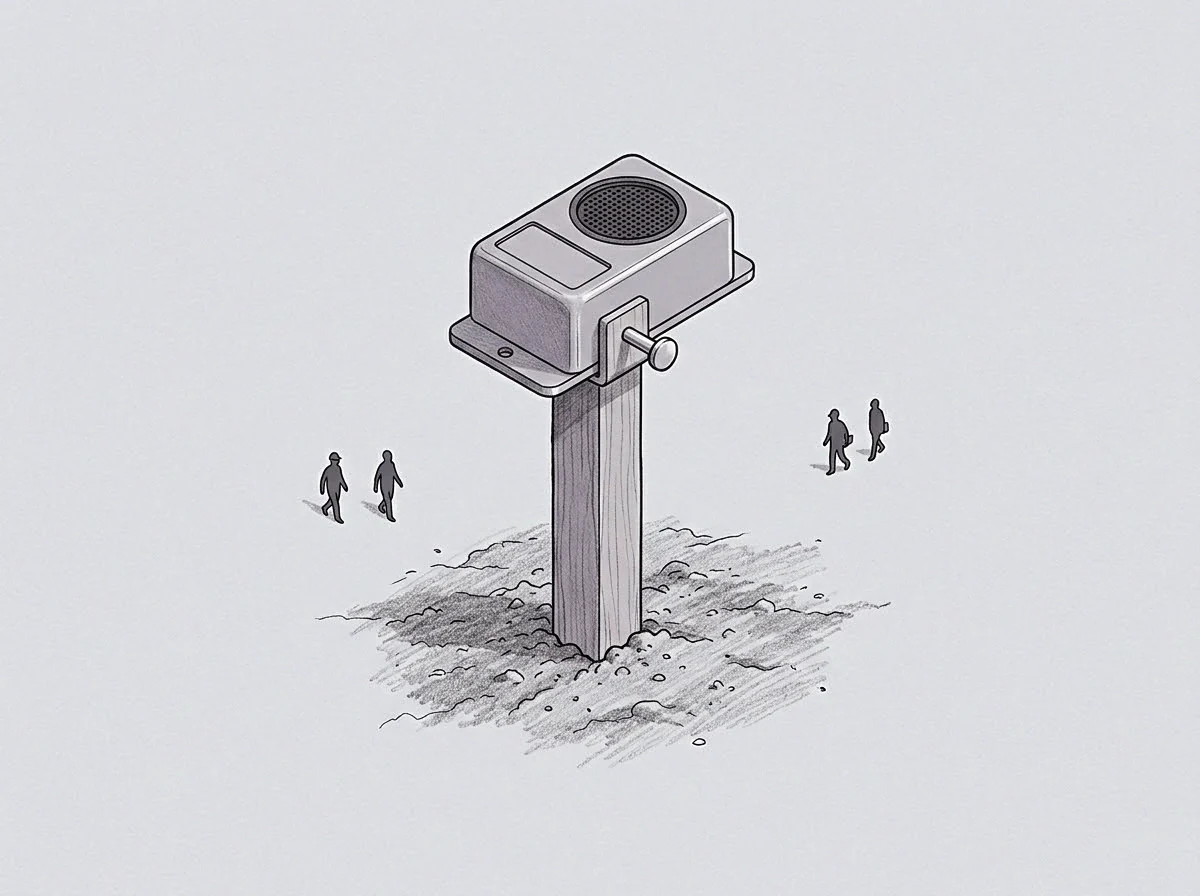
Craftsmanship relies on continuous direct intervention, nuanced technical adjustments, and personal standards of excellence. Scaled governance relies on institutional metrics, objective Key Performance Indicators, key risk indicators, and variance analysis. Transitioning from direct craftsman oversight to formal governance requires shifting from subjective code reviews to systematic engineering performance metrics.
Formal governance replaces direct personal intervention with standardized organizational metrics and structured reviews.
Executive governance monitors aggregate outputs, capital efficiency, defect rates, and project delivery timelines without intervening in daily implementation details. This transition ensures operational accountability while giving technical teams the autonomy needed to execute efficiently. Defining clear boundaries protects executive schedules from daily disruptions, reserving capacity for strategic planning and fiduciary oversight.
The operational governance clause in the executive agreement explicitly separates board seat rights from daily technical management, stipulating that technical authority requires a distinct, standard employment contract.

Joint
Transitioning a founder out of daily technical execution and into a formal governance role requires an intentional, multi-step transition process. Unplanned handovers risk operational disruption, key employee turnover, and loss of institutional knowledge. A structured transition decouples technical dependencies systematically, establishing clear organizational boundaries while preserving operational stability across all departments.
Establishing formal governance interfaces ensures continuous alignment without requiring the founder’s daily technical involvement. These interfaces include regular engineering performance reviews, architectural review boards, and formal technology committees at the board level. Shift authority through written operational mandates rather than informal verbal handoffs.
Execution Sequence for Seat Disambiguation
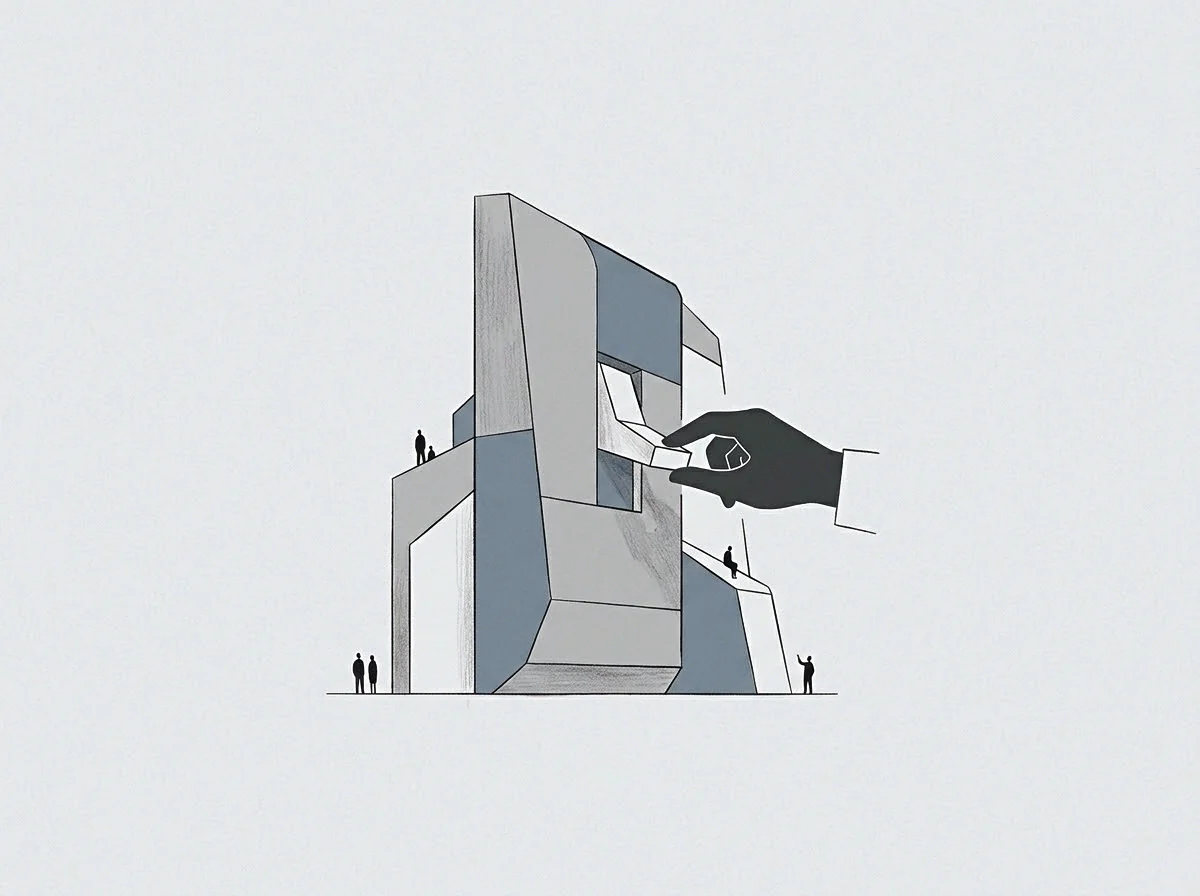
Decoupling operational seats follows a chronological sequence designed to isolate responsibilities, transfer tacit knowledge, and institute systematic oversight controls.
- Auditing executive time allocations to identify specific hours spent on direct technical execution versus strategic governance obligations.
- Documenting all tacit architectural frameworks, unwritten decision paths, and core system dependencies currently managed by the founder.
- Defining explicit job descriptions, operational boundaries, and performance metrics for the newly separated technical leadership seats.
- Recruiting or promoting qualified technical leaders to assume direct operational authority over engineering departments.
- Establishing formal reporting interfaces, governance schedules, and reviewcadences between technical leadership and the executive board.
- Transferring daily decision authority to new technical leaders while shifting the founder into board-level strategic oversight.

Formal Delegation Interfaces for Engineering Governance
Effective delegation requires establishing explicit operational boundaries and clear escalation paths. The executive board defines performance standards, budget constraints, and risk thresholds within which technical leadership operates autonomously. Technical managers handle daily resource allocation, architecture implementation, and team management without requiring board intervention.
Stating explicit operational boundaries prevents governance seats from regressing into micro-management.
Escalation paths define specific conditions that trigger board review, such as significant budget variances, major architectural shifts, or critical security breaches. Establishing these boundaries protects technical leadership autonomy while ensuring appropriate governance oversight for material organizational risks.
Delegation succeeds when the delegating executive steps out of daily operational communication channels and relies entirely on formal reporting mechanisms.

Depth
Separating the technician seat from operational governance preserves long-term executive capacity and ensures sustained institutional stability. Founders who successfully transition out of daily execution retain strategic vision while freeing schedules for high-level governance, capital allocation, and key stakeholder relationships. This structural separation protects the organization from single-point operational vulnerabilities and creates an adaptable management hierarchy capable of navigating future growth stages.
Sovereign oversight remains with equity. Founder equity holders retain voting rights, board representation, and structural authority over major corporate transactions, even after relinquishing daily technical control. This separation ensures founders maintain strategic influence over company direction without incurring the personal cost and cognitive fatigue of daily technical execution.
Residual Authority and Sovereign Veto Boundaries
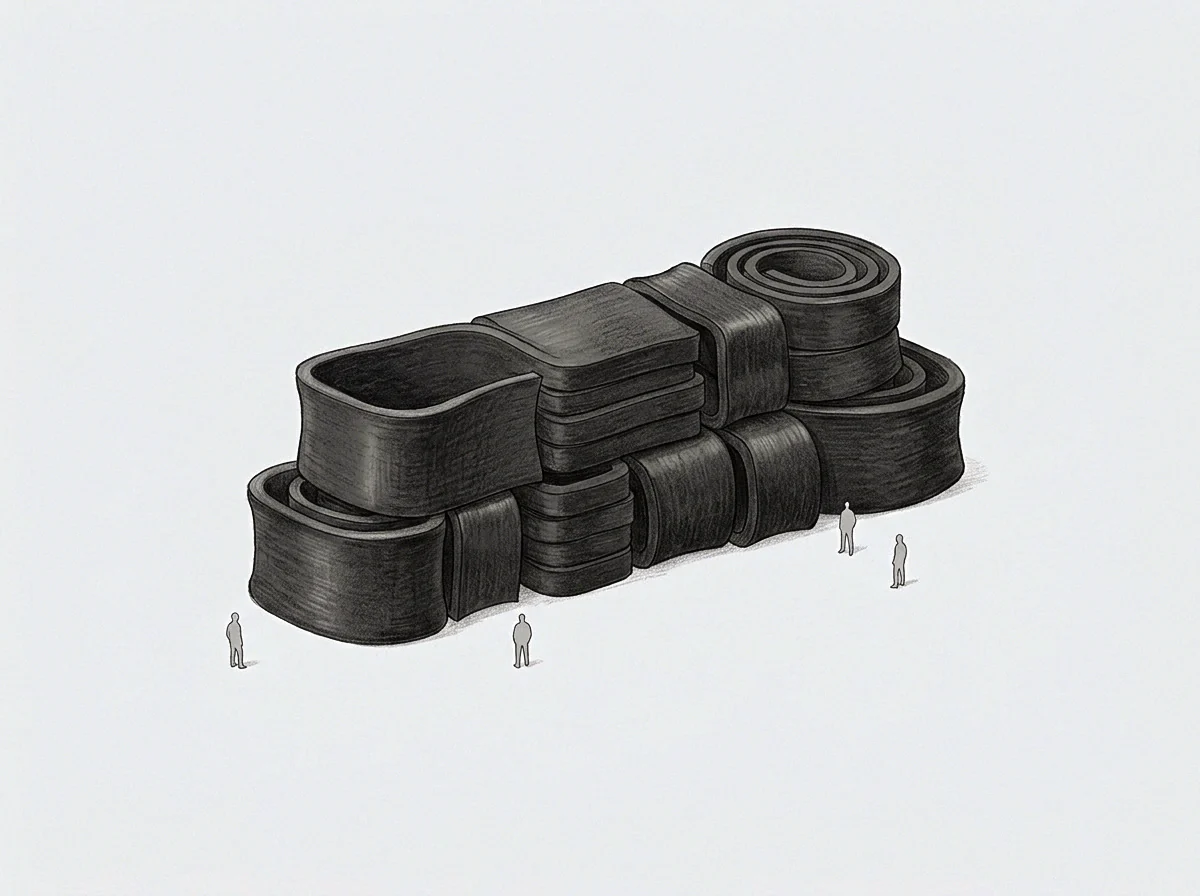
Defining residual founder authority requires drawing clear boundaries between executive governance, board decisions, and operational management. Board-level governance reserves specific strategic decisions for shareholder representation, including capital structure changes, major corporate acquisitions, executive succession planning, and fundamental strategic pivots. Daily operational management remains entirely within the authority of designated executive officers.
Establishing explicit sovereign veto boundaries prevents founder governance roles from interfering with daily operational management. Veto rights must be codified in corporate governance documents, restricting their scope to material institutional changes rather than daily technical decisions. This clarity gives professional managers the operational authority needed to execute efficiently while safeguarding founder strategic interests.

Preserving Operational Integrity Across Growth Phases
Sustaining operational integrity as an enterprise scales requires continuous alignment between governance structures and organizational complexity. Governance mechanisms designed for early stage ventures become bottlenecks in larger enterprises. Regularly reviewing role definitions, governance cadences, and delegation limits ensures administrative processes evolve alongside company growth.
Preserving capacity allows leadership to focus on long-term strategy, market positioning, and enterprise risk management. Separating execution from governance transforms the founder’s role from a daily operational buffer into a durable source of institutional direction and governance stability.