Meaning
Structural resistance practiced by a founder establishes boundary defense against the daily operational drag of the enterprise. This mechanism guards executive attention by setting rigid operational limits between the desk of the builder and the requests of the staff. Operating this safeguard requires distinct behavioral protocols that stop operational problems from bleeding upward into strategic governance.
Founders who fail to maintain this separation consume their weekly capacity in tactical firefighting rather than long term allocation of capital. The perimeter collapses whenever leadership answers routine questions directly instead of routing inquiries through established escalation channels. Protection of the seat depends entirely on the strictness of these protocols and the consistency with which leadership refuses exceptions.
Escalation Thresholds
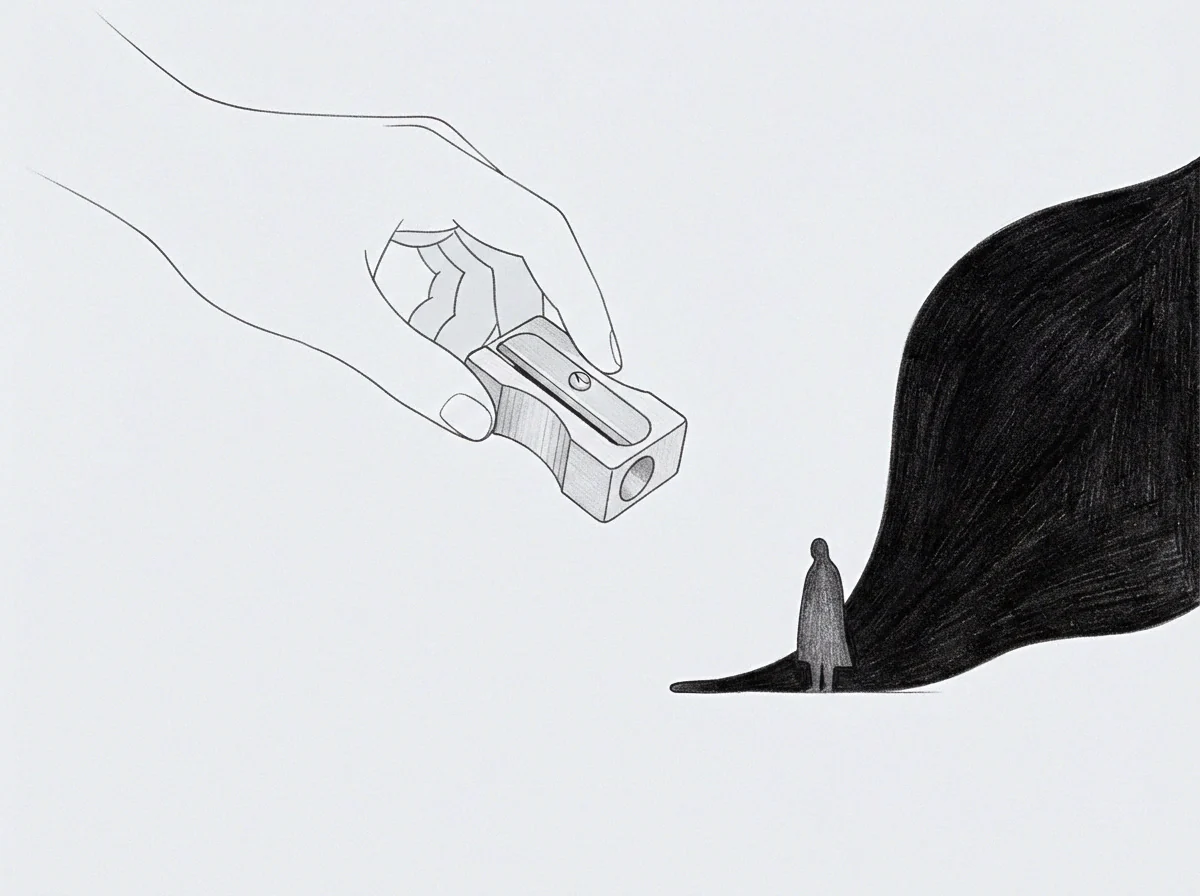
Operational friction inside an emerging enterprise constantly tests the structural integrity of leadership perimeters. Staff members naturally seek direct arbitration from founders whenever ambiguity arises in daily workflows. Managing this pressure demands fixed numerical or procedural tripwires that define exactly which issues warrant executive attention.
Routine personnel disputes and minor supplier delays remain parked below the threshold until standard escalation paths are exhausted. Founders spend significant cognitive hours defining these limits in writing so that the organization learns to absorb its own noise.
Capacity Toll
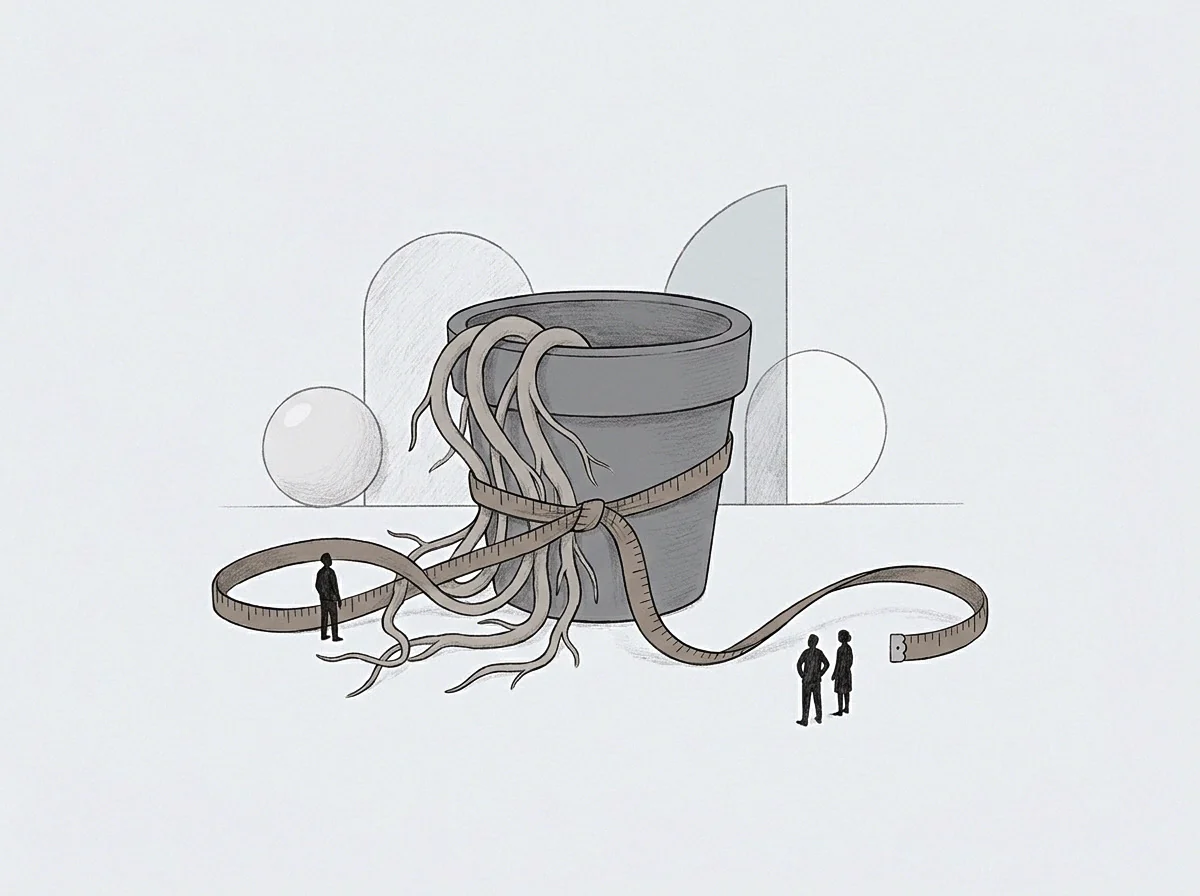
Maintaining organizational boundaries extracts a measurable tax on personal energy and emotional reserve. Rejecting direct appeals from loyal employees creates immediate discomfort and a temporary drop in organizational velocity. Staff members accustomed to immediate executive answers experience frustration during the transition toward self reliance.
Leadership absorbs this friction as a personal cost in attention hours while the new operational habits take root. Delegating final authority down the management chain removes the founder from daily problem solving entirely.
Perimeter Failure
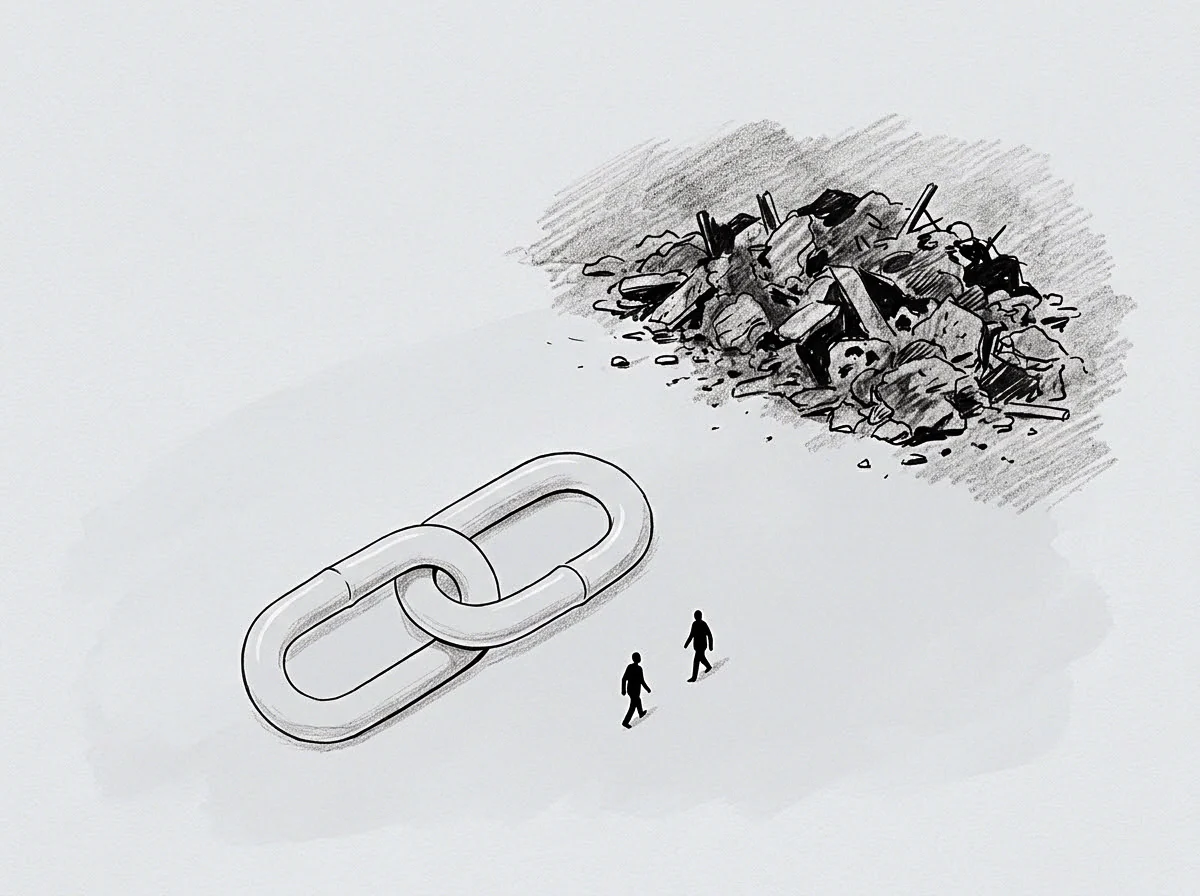
Structural collapse occurs gradually when leadership repeatedly makes small concessions to urgent operational demands. Each exception weakens the barrier until the founder returns fully to the tactical manager seat. Delegated authority evaporates once the organization realizes that escalation always yields a direct audience with the top of the firm.
Rebuilding the perimeter after such a collapse demands an explicit resetting of organizational rules and a prolonged refusal to intervene in routine matters. Persistent boundary enforcement ultimately stabilizes the enterprise by forcing middle management to shoulder operational reality without executive rescue.